Autor

Armando Chaguaceda

Armando Chaguaceda

Politólogo por la Universidad de La Habana (Cuba) e historiador por la Universidad Veracruzana (México). Especializado en el estudio de los procesos de democratización y 'autocratización' en Latinoamérica y Rusia.
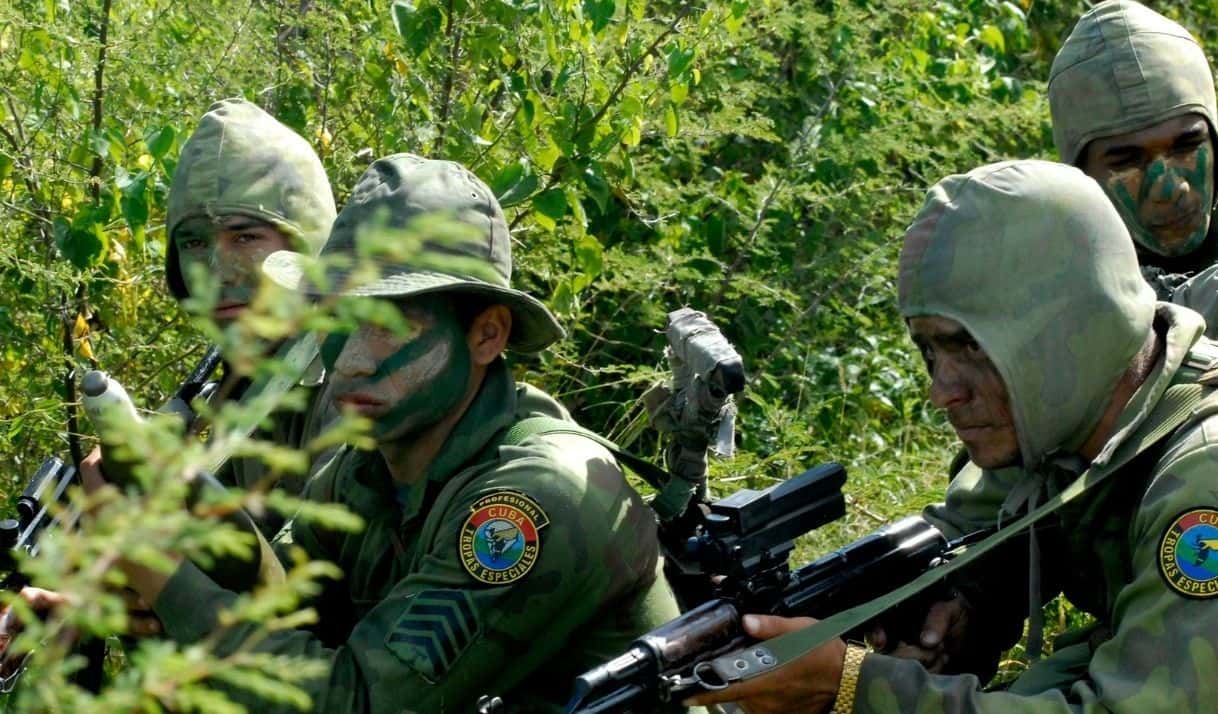
At present, Cuban doctrine does not realistically contemplate large-scale conventional operations in support of a foreign ally, much less against a technologically superior military power. The deployment of Cuban personnel in Venezuela prior to the January 2026 attack was framed more around advisory, security, intelligence, and protection roles than conventional combat.
In the official Cuban discourse there are enough examples of this segmentation, which has created a barrier not only between Cuba and a part of the world, but also among Cubans themselves.

Autores

Armando Chaguaceda

Armando Chaguaceda

Politólogo por la Universidad de La Habana (Cuba) e historiador por la Universidad Veracruzana (México). Especializado en el estudio de los procesos de democratización y 'autocratización' en Latinoamérica y Rusia.

At present, Cuban doctrine does not realistically contemplate large-scale conventional operations in support of a foreign ally, much less against a technologically superior military power. The deployment of Cuban personnel in Venezuela prior to the January 2026 attack was framed more around advisory, security, intelligence, and protection roles than conventional combat.
In the official Cuban discourse there are enough examples of this segmentation, which has created a barrier not only between Cuba and a part of the world, but also among Cubans themselves.