
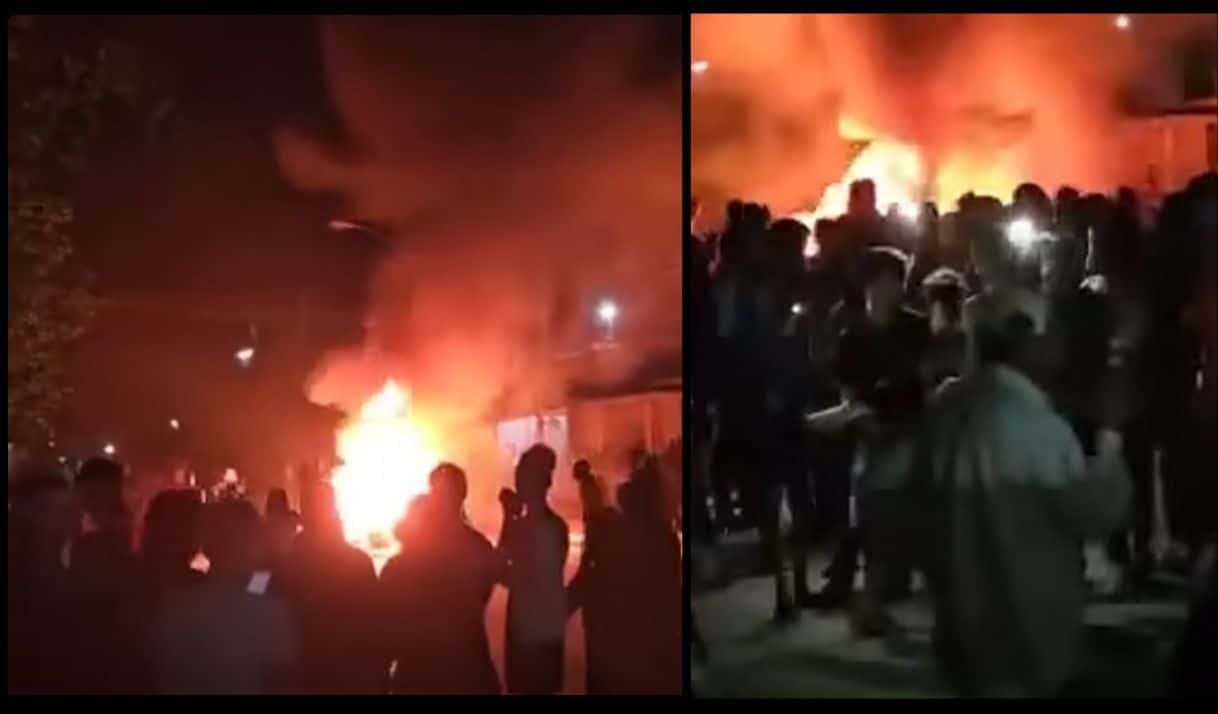
Large protests broke out in Morón, in the province of Ciego de Ávila, on the night of March 13, 2026, after weeks of prolonged blackouts, fuel shortages, widespread scarcity of basic goods across the island and the near-total paralysis of daily life in Cuba. Although communications remain limited, social media posts offer an initial glimpse of what happened.
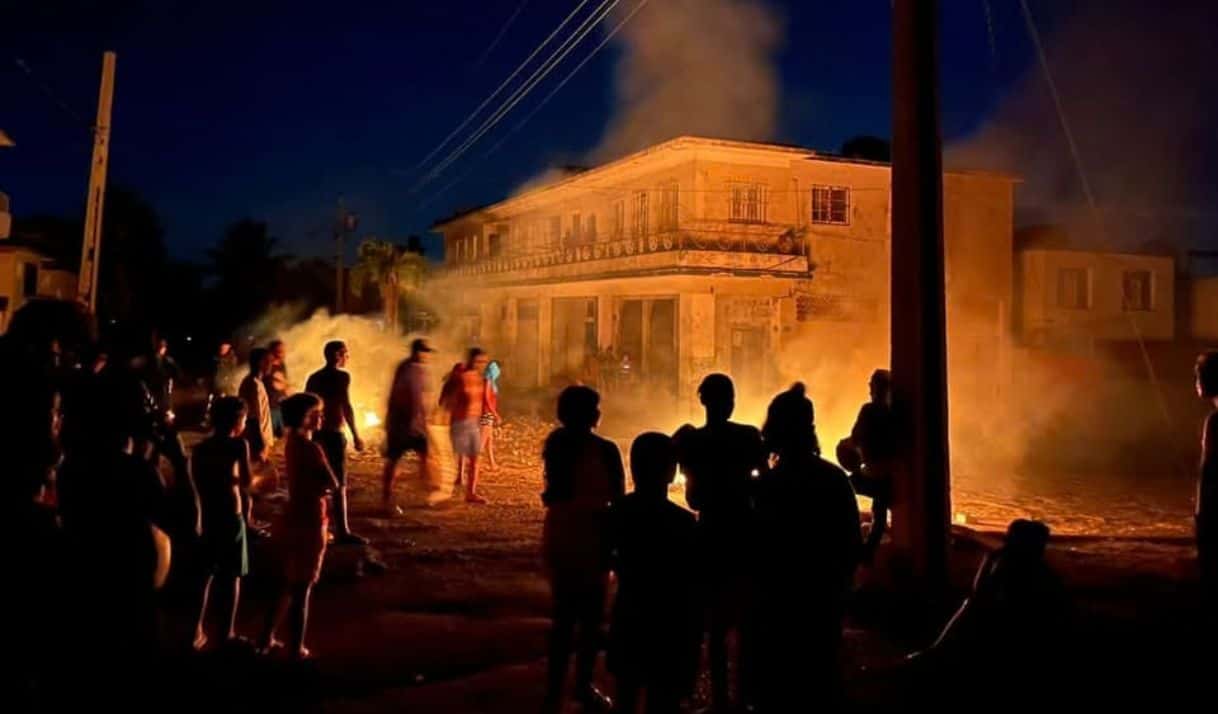
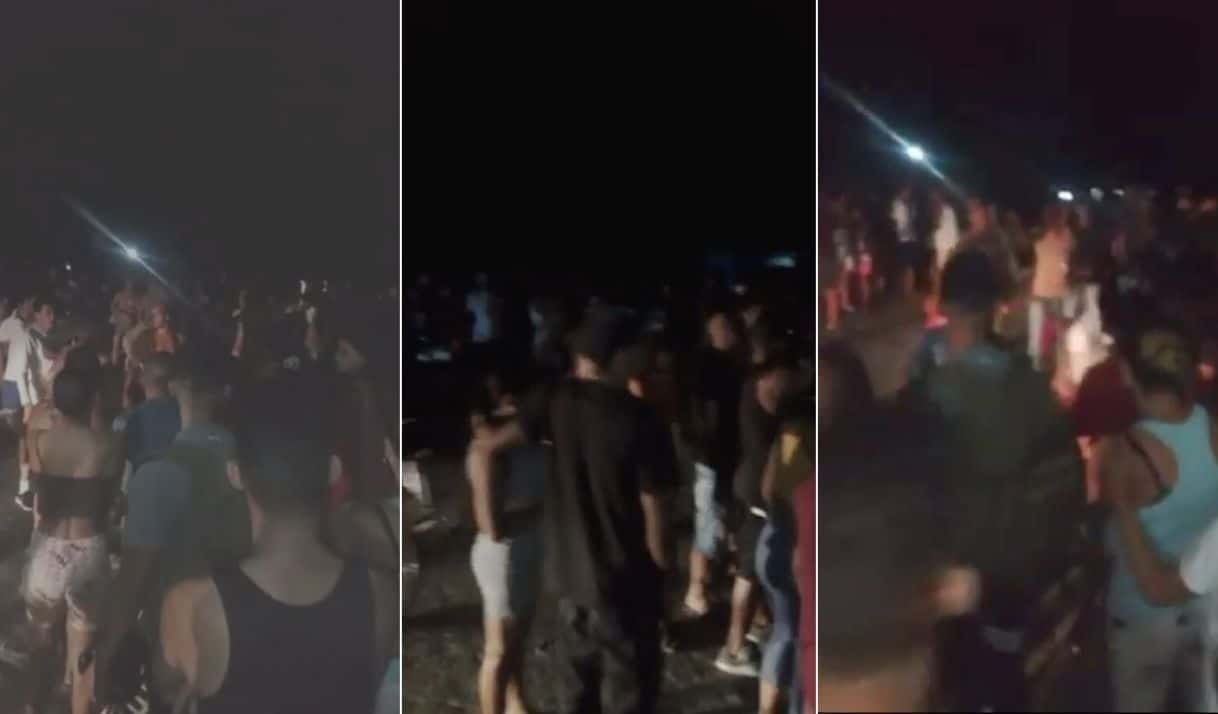
In several videos that have circulated, dozens of people can be seen walking through the streets of the municipality, banging pots and shouting “freedom,” “down with the dictatorship,” “turn the damn power back on,” “down with Díaz-Canel” and “we are not afraid.”
A number of the protesters initially gathered outside the local police station. Later, according to the videos, they moved to the headquarters of the Communist Party, stormed the building and began setting furniture ablaze on the street outside, including what appeared to be Castro-era symbols and photographs.
In other clips, what are said to be gunshots fired by repressive forces can be heard, although elTOQUE has not been able to independently verify that claim. There are also preliminary reports of at least one person injured.
According to journalist José Raúl Gallego, internet access in Morón was cut off after the protests began. It is a routine tactic used by the Cuban regime to prevent images of the ensuing crackdown from becoming public.
The protests in Morón come after seven consecutive nights in which residents of several Havana neighborhoods took to the streets banging pots in protest. This week, university students also staged a peaceful sit-in on the steps of the University of Havana to protest the suspension of classes and the authorities’ mishandling of the academic year.
The demonstrations also took place on the same day that President-designate Miguel Díaz-Canel confirmed what many already suspected: that the regime is holding official talks with the Trump administration, though it remains unclear for what purpose. On March 12, 2026, the government also announced the release of 51 prisoners, though it is still unknown how many of them are political prisoners.




Comments
We moderate comments on this site. If you want to know more details, read our Privacy Policy
Your email address will not be published. Mandatory fields are marked with *
Todavía no hay comentarios.