Leonel Gonzalez Rodriguez was in Camajuani, the town where he has lived all his life, when his son Miguel arrived with news that seemed impossible.
“Dad, a girl from Czechoslovakia is looking for you.”
Only a few hours had passed since El Toque published the story of Veronika Novakova, the Czech woman who had spent 36 years trying to find her Cuban father, with whom she had lost contact.
As Leonel tried to make sense of what was happening, another Veronica—his Cuban daughter—contacted El Toqueand me from Guyana. At the same time, her brother Miguel began searching Facebook, contacting every Veronika Novakova he could find until he reached the right one.
“I’m your brother,” he wrote, attaching an old photograph.
Veronika, stunned, immediately recognized herself in the picture. It was her as a baby.
“I can’t believe it. I must be dreaming. Could it really be true?” she wrote to me as, in real time and with the help of Google Translate, the two of us exchanged messages with her Cuban siblings—the siblings she had never known existed.
Veronica—with a “c”—told me that she owed her name to the sister she had never met but who had always been present in her life.
“My father named me after her so he would always remember her,” she said from Guyana, where she has lived for the past few months.
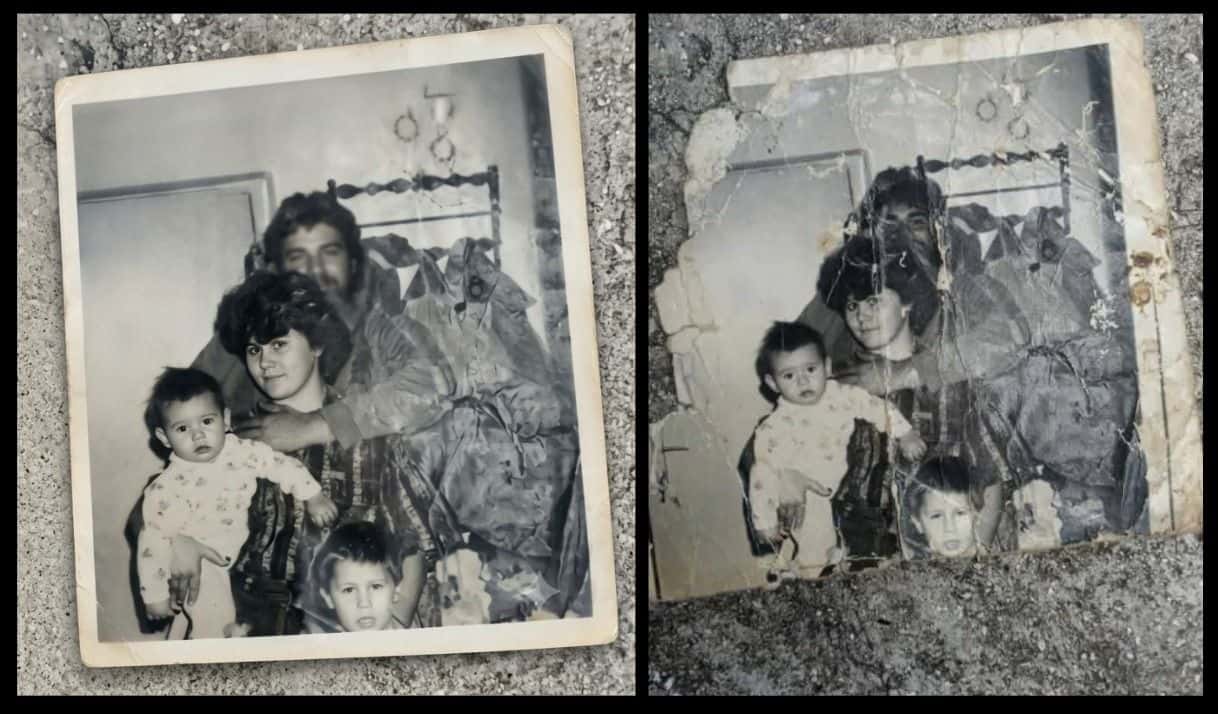
Minutes later, she sent me a decisive photograph, badly worn by time and handling. In it appeared little Veronika—with a “k”—alongside her mother Renata and, beside them, an unmistakable figure that left no room for doubt. It was Leonel Gonzalez.
“I’ve found my father after 36 years. I didn’t even know that photo existed. I didn’t have a single picture with him,” Veronika wrote, still in shock.
The Other Side of the Story
Leonel was unable to speak during the first few hours. Every time someone mentioned Veronika, he burst into tears.
Two days later, after calming down, he was able to tell his side of a story that had remained unresolved for more than three decades—for both him and his Czech daughter.
“I never stopped looking for her,” he said.
He remembers fondly the years he spent with Renata in what was then Czechoslovakia.
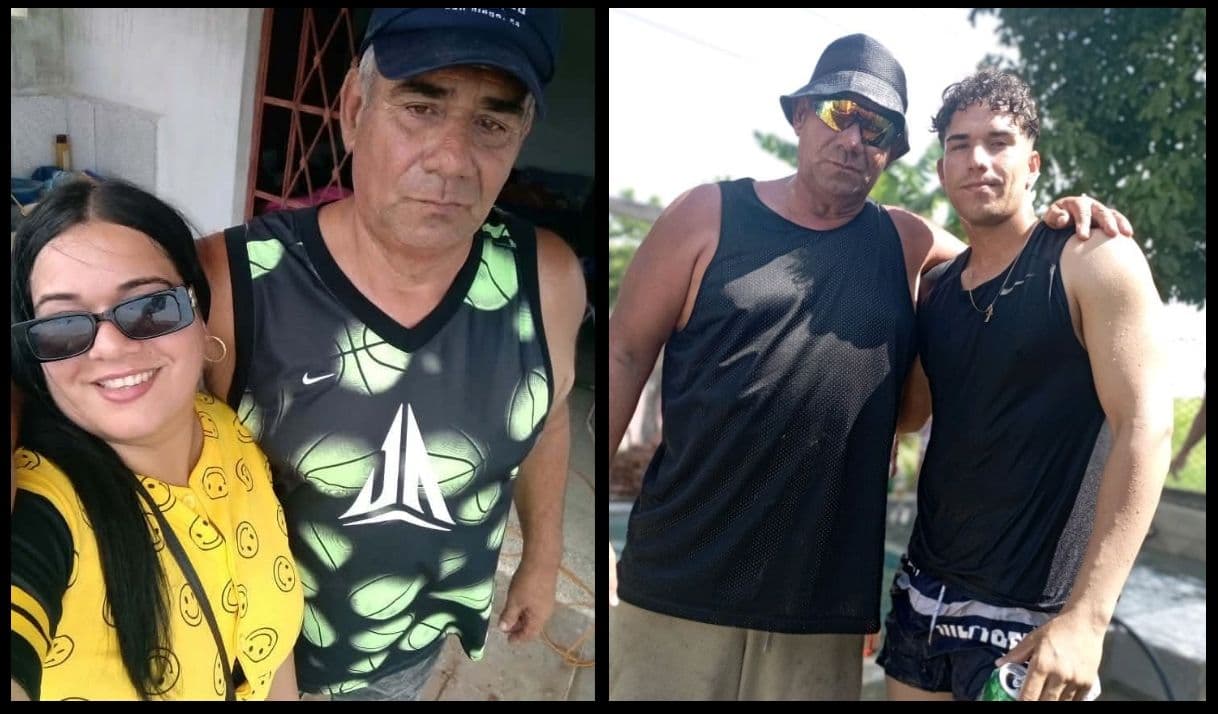
Leonel Gonzalez with his Cuban children, Veronica and Miguel. / Photo: Courtesy of the interviewees.
“We had a beautiful relationship. We were together for more than three years. I didn’t speak much Czech or know how to write it but talking with her I understood almost everything. She was a wonderful person. So was Veronika’s grandmother, who took very good care of me while I was there.”
The same could not be said of Renata’s father.
“He threw his daughter out of the house, and I had to take her to a dormitory while I found a place where only men lived. I slept elsewhere, and at night I would sneak into the dormitory to see her. Even the Czechs didn’t want to let me stay there with her. There was a lot of racism back then.”
That hostility was not an isolated case.
“I saw the way people looked at Renata when she walked down the street with me. It hurt me deeply. Some of my friends who decided to stay in Czechoslovakia had a terrible time. People threw stones at them. It was awful.”
However, things were different at the Perla textile factory in Hylvaty, where they both worked. Leonel was a respected employee, and that changed the couple’s circumstances.
“Because I worked so hard, my boss got us a room of our own. I was the only Cuban who lived separately with his partner.”
When the time came to return to Cuba after the fall of communism in Czechoslovakia, the decision proved much harder than he had expected.
“I didn’t know whether to go back or stay. I had already shipped two engines and other belongings to Cuba. If I didn’t return, I would lose everything because it would all be confiscated.”
Another, more personal pressure weighed on him.
“My mother insisted that I not stay there. She would say, ‘Don’t leave me alone.’ She had already suffered so much because before going to Czechoslovakia I had fought in the war in Angola.”
Soon afterward, his mother underwent hip surgery and was left permanently disabled.
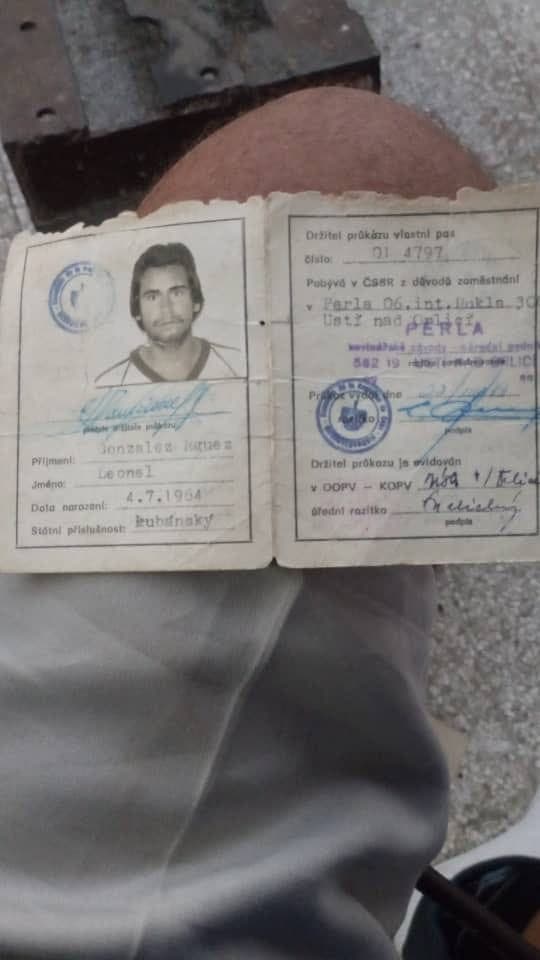
Leonel Gonzalez’s identification document from former Czechoslovakia. / Photo: Courtesy.
“That was one of the hardest things for me. Thank God she’s still alive, as is my father. They’re now 85 and 87 years old.”
But Leonel never wanted to return home alone.
“I wanted to bring Renata and our daughter with me to Cuba. That had been my plan from the very beginning, but I couldn’t make it happen.”
Then came the silence.
“I returned home and lost contact with them. During the first few years, Renata and I wrote to each other, but then it seems she changed her address or something because my last letters were returned. After that, I kept looking for them, but I wasn’t even sure how to spell her last name or whether she had changed it,” Leonel explained.
Everything became more difficult. The collapse of the socialist bloc virtually ended contact between the two countries, and Cuba’s Special Period 1990s crisis only made matters worse.
“In Cuba, people didn’t have enough money to buy plane tickets. I tried to get a letter of invitation. I went to Santa Clara, I visited several offices, even the embassy, but they almost never saw me. When they did, nobody could tell me anything. I tried calling many times, and I got nowhere. Back then there were no social media, and staying in touch was extremely difficult.”
But there is one thing that has affected him more than anything else.
“Now I’ve learned that Veronika thought I had never looked for her. That really hurts, because it simply isn’t true.”
Even so, he never gave up hope. Leonel never imagined that, in the end, it would be his daughter who would find him.
“I’m applying for Spanish citizenship. I always thought that if I could one day travel to Spain, maybe from there I would have the chance to look for her and see her. That’s why I’m going through the process.”
Back in Cuba, Leonel rebuilt his life, and Miguel and Verónica were born. They are now adults. He currently works as a self-employed shoemaker and says his family has managed to overcome life’s hardships.
“I’ve struggled, but we’ve always managed to get by. We own several houses and businesses. Thank God we’ve never lacked the basics.”
Now he thinks only about seeing Veronika again.
“If I get Spanish citizenship, I’d like to meet her somewhere in Europe. From Spain it’s easy to travel to the Czech Republic.”
The day before elTOQUE published the story, something happened that Leonel now sees almost as a premonition.
“Just the day before, my mother came to me crying, holding Veronika’s photograph. She said, ‘I’m never going to meet my granddaughter.’ I’ll never forget that image.”
Rebuilding Family Ties
Since their first contact, the conversations between father and daughter have not stopped.
“My dad and I are still chatting—I can’t believe it! He even remembers Czech and has sent me a few messages in my own language,” Veronika said.
With every conversation they discover more things they have in common.
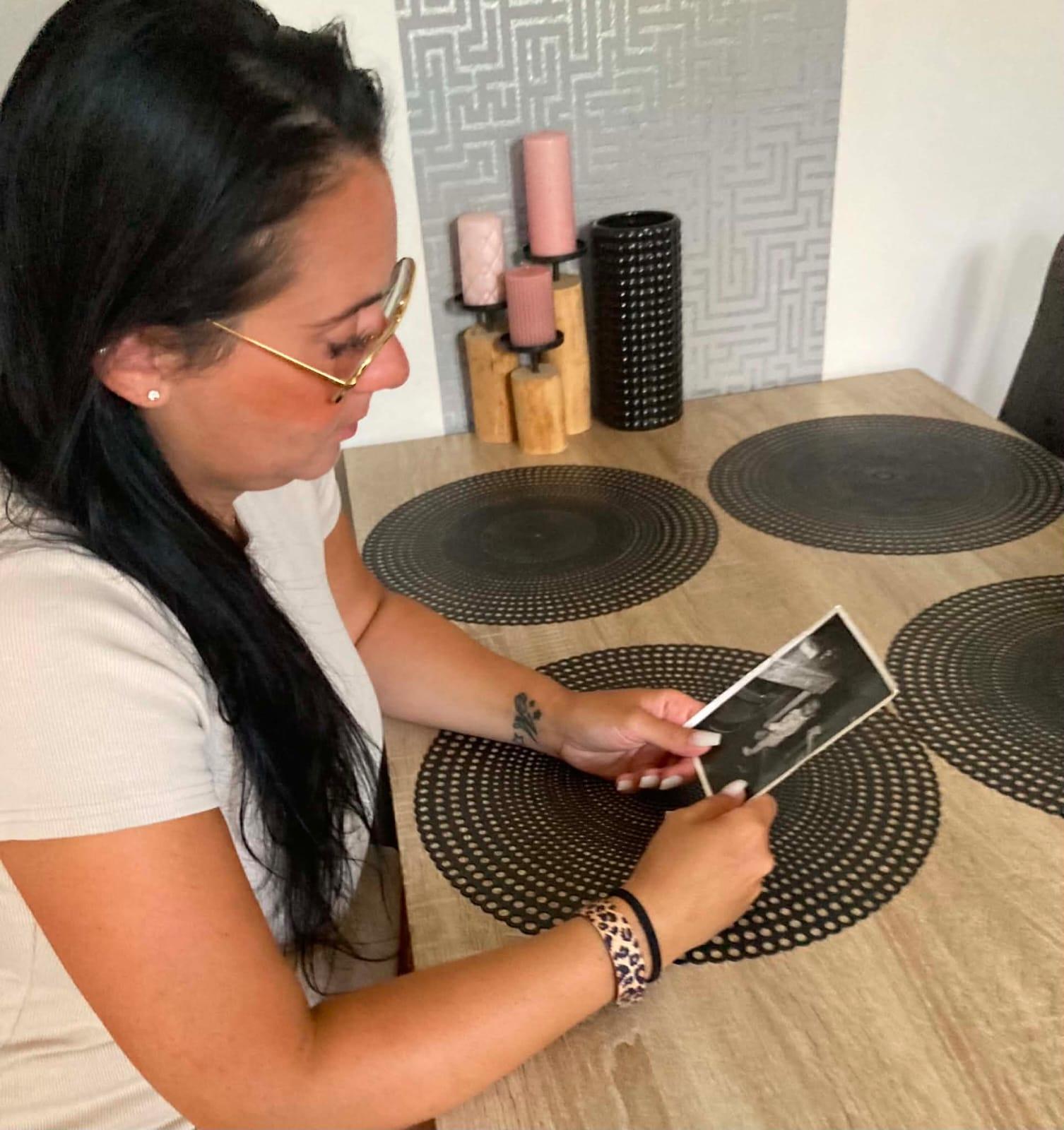
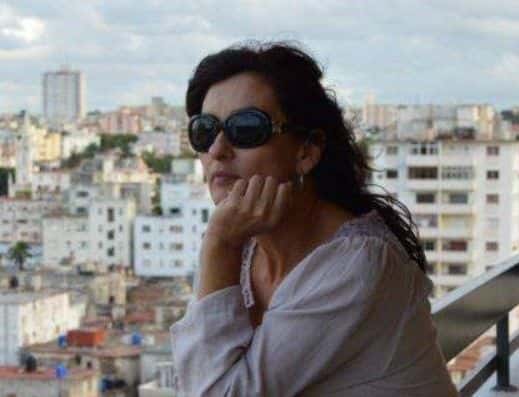
Verónika Nováková.
“It’s incredible how alike we are. We send each other messages every day, and we laugh a lot. What moved me most was that my father still remembered Czech after all these years. It’s an incredible and wonderful feeling to hear his voice.”
The reunion has not been only with Leonel, but with a family whose existence she had barely imagined just a few days earlier.
“It’s wonderful to get to know my entire Cuban family. My brother is also very kind, and everyone has been incredibly loving toward me. So many relatives write to me that sometimes I get confused and no longer know who’s who. But I’m so happy. It’s wonderful that they’ve welcomed me, even though we found each other again after so many years.”
Through photographs and messages, she has also discovered a reality different from what she had imagined.
“I know life in Cuba isn’t easy, but their messages and the photos they send show that they value what they have and that they’re happy together. That touches me deeply.”
Amid all that happiness, Veronika has not forgotten the people who made the reunion possible.
“I want to thank El Tolque and you once again from the bottom of my heart for what you’ve done for me. Thanks to you, my greatest dream has come true, and I’m incredibly happy. I will never forget that you helped change my life,” she said.
“I’m still reading all the Facebook posts and comments. It’s amazing to see people’s reactions. So many people have written to me. I never expected so much kindness, so much support, and so much happiness for our story. I’m deeply grateful and will always remember it.”
After decades of silence, father and daughter are beginning to build the relationship that time denied them. The embrace is still waiting, but the family that history separated between two distant points on the globe—Cuba and the Czech Republic—has finally found one another again.
This article was translated into English from the original in Spanish.