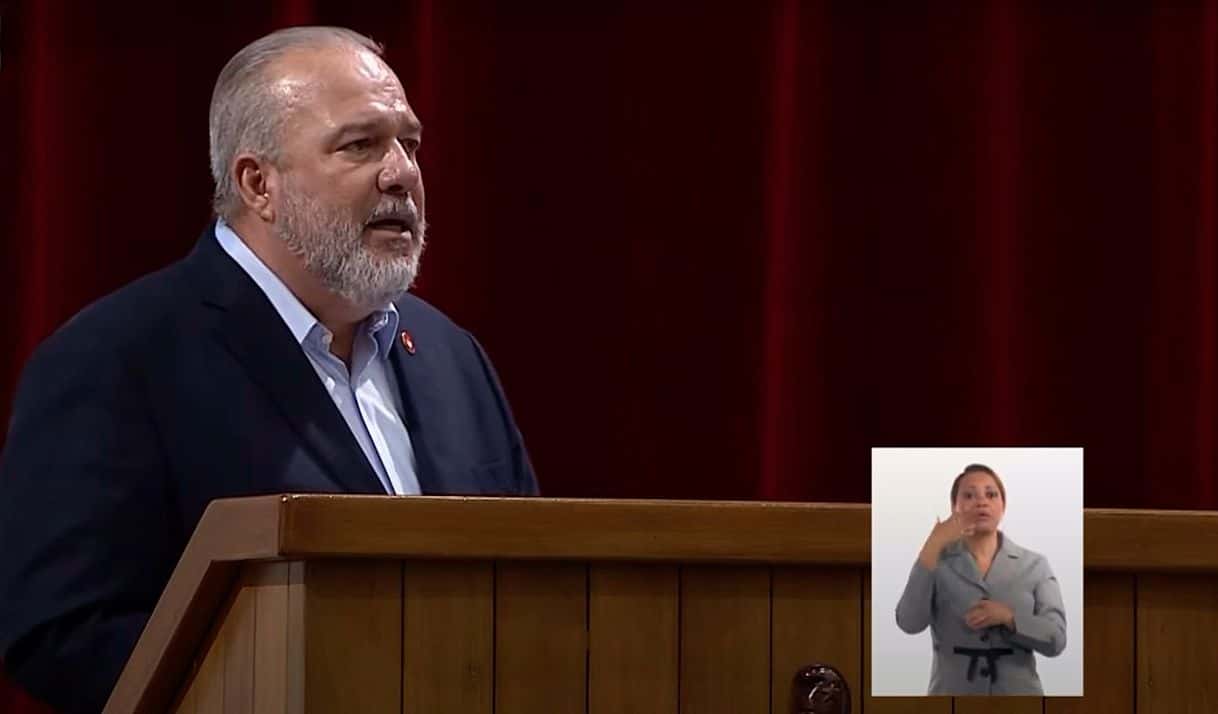
Cuban Prime Minister Manuel Marrero addressed the National Assembly on July 29, 2026, to provide an update on the implementation of the 176 measures that, according to the regime, will rescue the island from the profound economic crisis it is experiencing.
The prime minister said that between June and July, 110 of the planned reforms had been implemented. He also stated that the final three measures would take effect in November 2026, with another 26 scheduled for August and September. However, at El Toque we have tracked the implementation of these measures through the regulations published in the Official Gazette, and our findings are very different.
According to our monitoring, the number of measures still pending implementation is far higher than Marrero announced, while those actually carried out do not exceed ten. You can access those data in Spanish through this link.
In addition to a lengthy speech filled with reminders that the State will strengthen oversight and inspections, Marrero casually mentioned several figures that, although presented almost as an afterthought, provide a statistical snapshot of the disaster unfolding on the island. At the same time, he offered updates on changes already taking place as Cuba moves toward a more private economy—though not before emphatically insisting that the country was not straying from its socialist model.
For example, he announced: “The first private currency exchange house is ready to begin operations as a pilot project.” The official offered no further details. As is often the case with announcements of this kind, several questions remain unanswered: Who owns the company that has received this privilege? What exchange rate will it use? Under what conditions will it operate? And, above all, when will ordinary Cubans actually see these offices open and functioning?
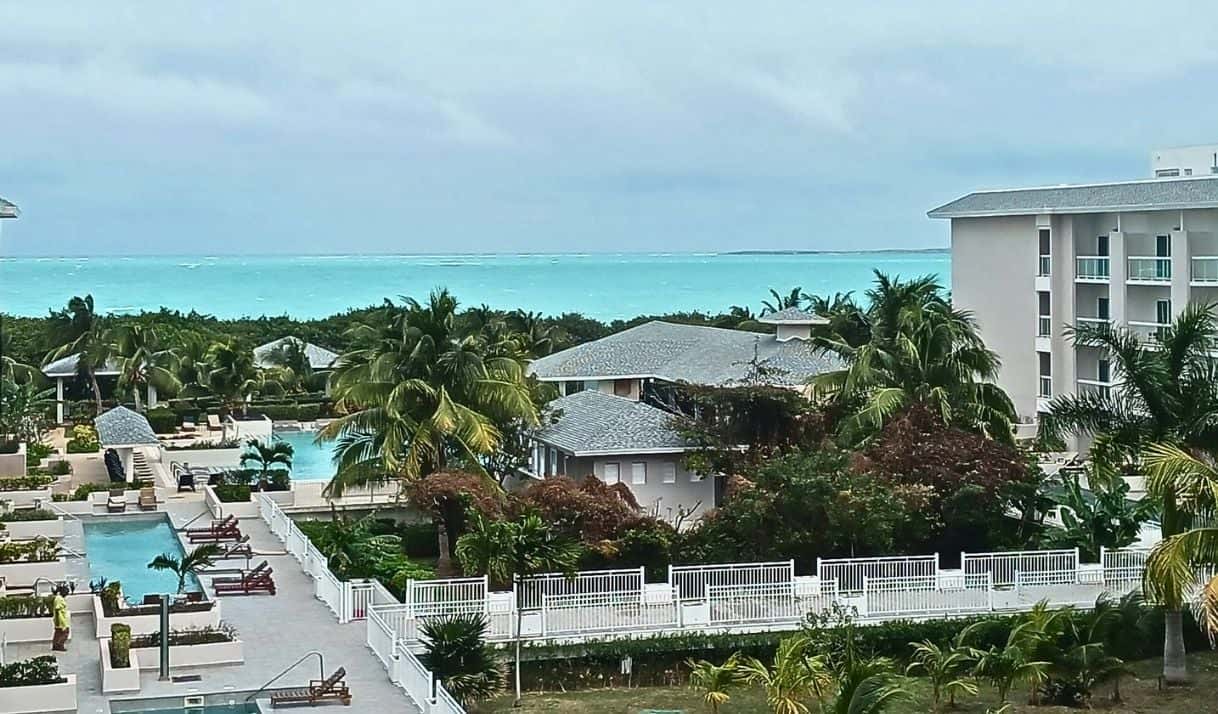
Marrero also revealed that 73% of the island’s hotel facilities are closed, confirming that what was once described as the locomotive of the Cuban economy has been almost completely dismantled. If Cuba received 1,810,663 international visitors by the end of 2025—a decline of 18% from the previous year—the drop now looming appears far more catastrophic. Marrero further confirmed that seven hotel chains managing 46% of the country’s hotel rooms have ceased operations, leaving 25,000 tourism workers unemployed. It is an alarming figure that the bureaucrat glossed over as though it were an insignificant side effect.
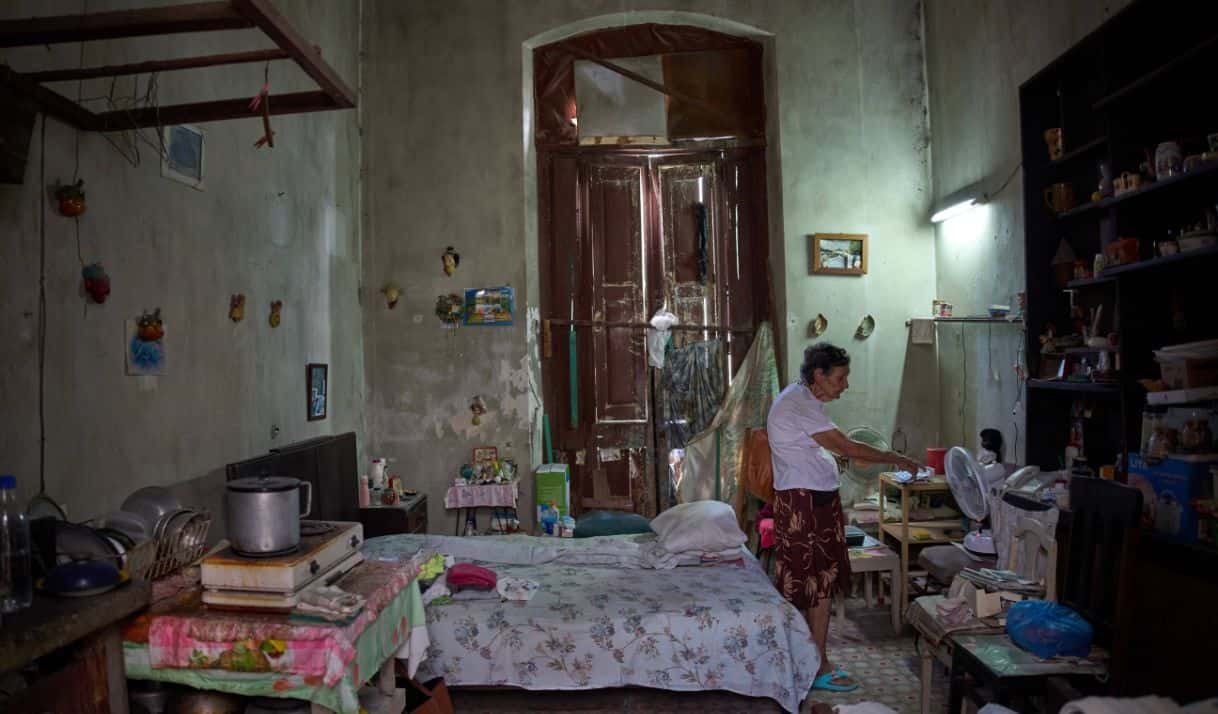
The prime minister also claimed that Cuba has 876,522 people living in conditions of greater vulnerability. That figure contrasts sharply with monitoring by the Cuban Observatory for Human Rights, which found that more than 89% of the island’s population lives in extreme poverty.
Regarding the electricity crisis, Marrero insisted that Cuba was making progress toward an energy transition based on renewable sources. As we have already explained, however, this strategy will not solve the problem if the National Electric System (SEN) itself continues to malfunction. The unstated strategy appears to be installing solar panels in government institutions and private homes—in other words, living independently of the national grid. Marrero said that 125,751 households now have photovoltaic systems installed thanks to government efforts. He also stated that 200 private entities have been authorized to import fuel. What remains unclear is how these initiatives will actually improve people’s daily lives.
According to the prime minister, the government can already boast of the first results from encouraging foreign investment and partnerships among different economic actors. Yet he offered no data on the supposed benefits—or who those benefits would accrue to. Nor did he provide information about the companies involved or the sectors in which they operate. Apparently, the minister does not consider all information equally important. His version of accountability seems to consist of saying what he wants, rather than what he ought to.
Marrero said that:
- 13 foreign investment ventures now hire workers directly.
- The first joint venture between a foreign company and a private Cuban business has been approved.
- More than 100 non-state actors have been authorized to wholesale fuel.
- The first foreign investment project for the importation, distribution, and marketing of fuel has been approved.
- The first foreign investment project in Old Havana has been approved.
- The first special regulatory zone under the category of an “Economic Development Zone” has been created to establish a wholly foreign-owned company in the health tourism sector.
As always, Cubans are left to discover—if they ever do—who these companies are and whether their operations, profits, and impact on the lives of ordinary Cubans will be transparent, something that seems highly unlikely under the Havana regime. Meanwhile, protests, blackouts, and the daily struggle for survival continue to define reality.
This article was translated into English from the original in Spanish.



Comments
We moderate comments on this site. If you want to know more details, read our Privacy Policy
Your email address will not be published. Mandatory fields are marked with *
Anónimo