
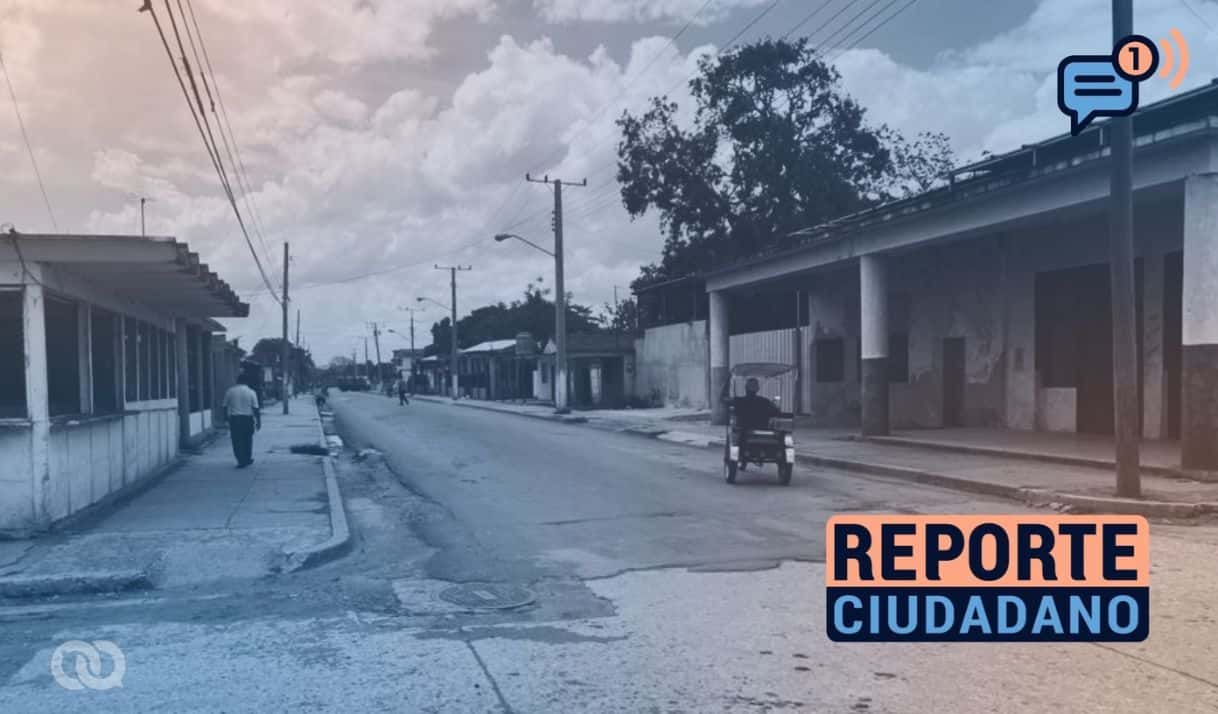
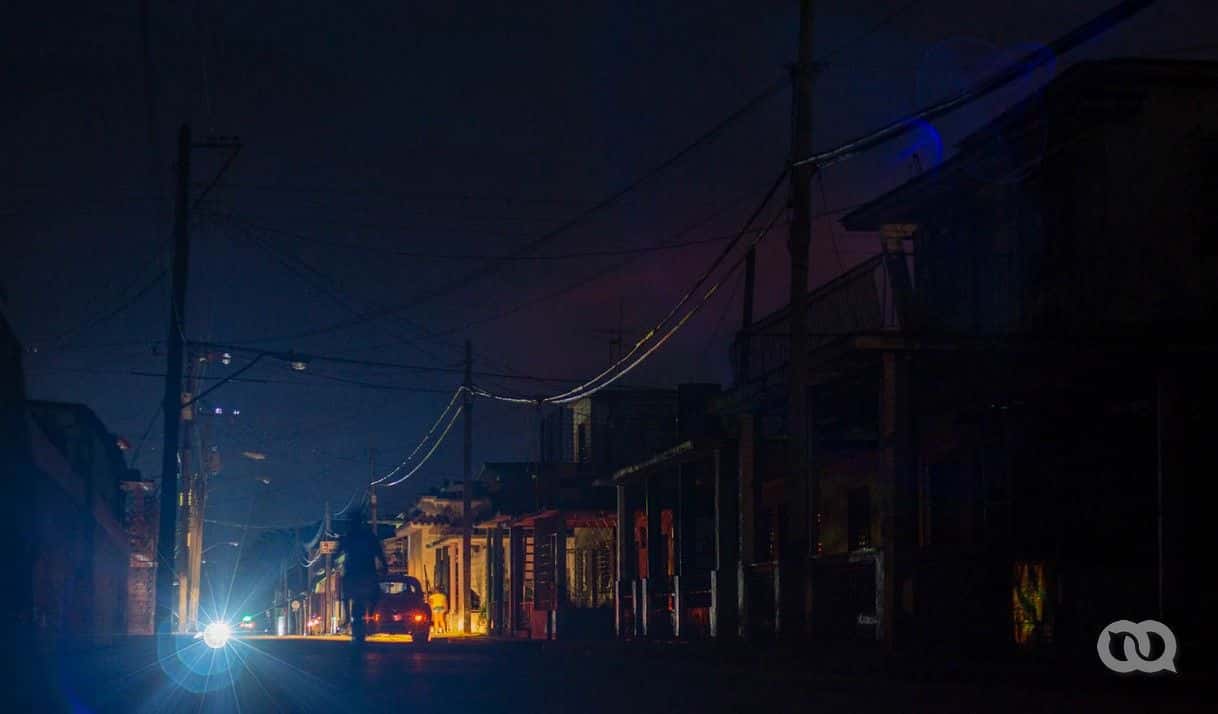
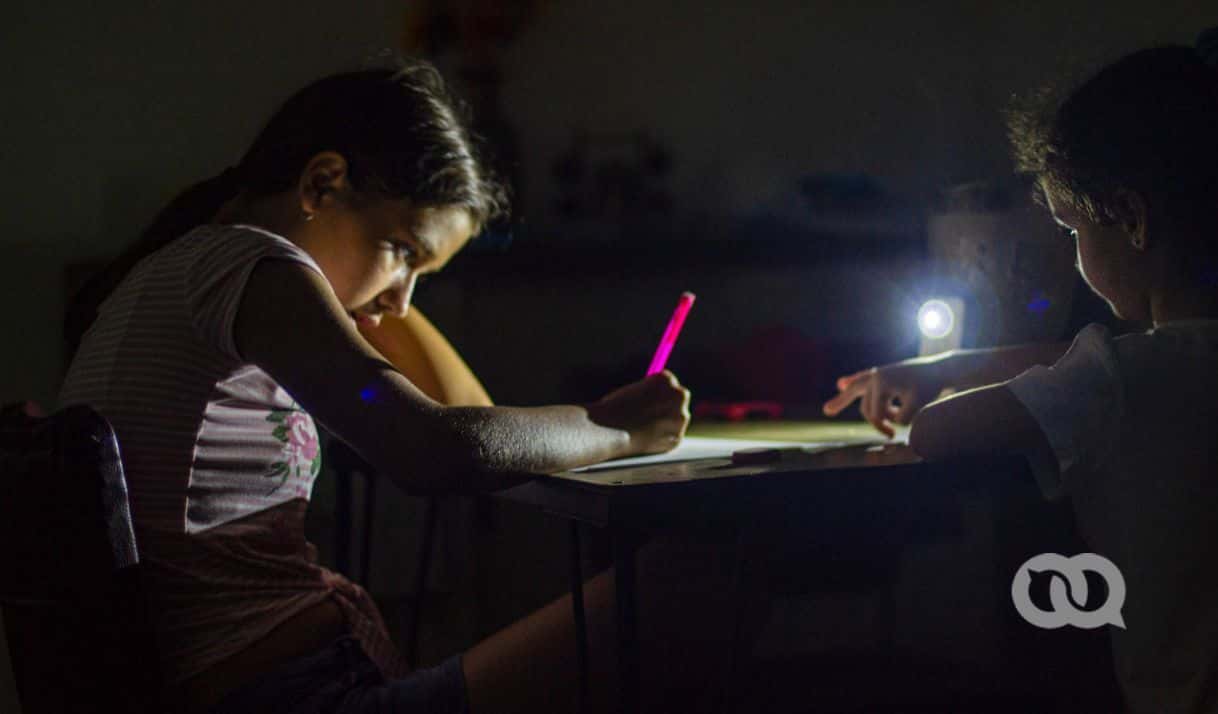
Darkness swallows the streets of Aguada de Pasajeros; but it swallows some more than others. In this municipality in Cienfuegos province—as in other Cuban towns—prolonged blackouts are causing exhaustion, and citizens are questioning how decisions are made about which areas lose power and which keep it. They also cast doubt on the credibility of local authorities.
A complaint sent to El Toque from Aguada criticizes the decisions implemented by the “great thinkers and socioeconomic strategists” of the Municipal Assembly and the Communist Party, which, according to the message, “degrade, mistreat, mock, and abandon the people, fostering division, pain, and an anger that turns against them.”
According to the message sent to our newsroom, Aguada is divided into three electrical circuits that include the town’s main arteries: 70 (Aguada–Federal), 43 (Aguada–Pueblo, María Victoria batey, Hospital, Highway), and 78 (Plan Arroz, West Aguada, Servicenter, Aguada Radio Station, La Paquita, Galeon).
In an effort to preserve medical services, local authorities chose to protect circuit 43, where the hospital is located—although even there doctors have had to rely on mobile phones to do their work during outages. Circuit 70 has also been prioritized because it includes the aqueduct and, according to the complaint, because residents of the Perseverancia people’s council staged protests and clashes with police and Electric Company workers. That area has also been marked by water shortages and neglect.
While circuits 43 and 70 have a stable, almost clockwork schedule of outages and service restoration—eight hours with electricity and eight hours without—circuit 78 suffers blackouts lasting up to 72 hours. The problem worsens when power is finally restored and often doesn’t last even three hours, or when electricity returns in the early morning, when people need to rest. According to another source consulted by El Toque, areas in circuit 78 located beyond the cemetery (including Plan Arroz, La Paquita, and the Guevara batey) have recently been prioritized, and outages have decreased.
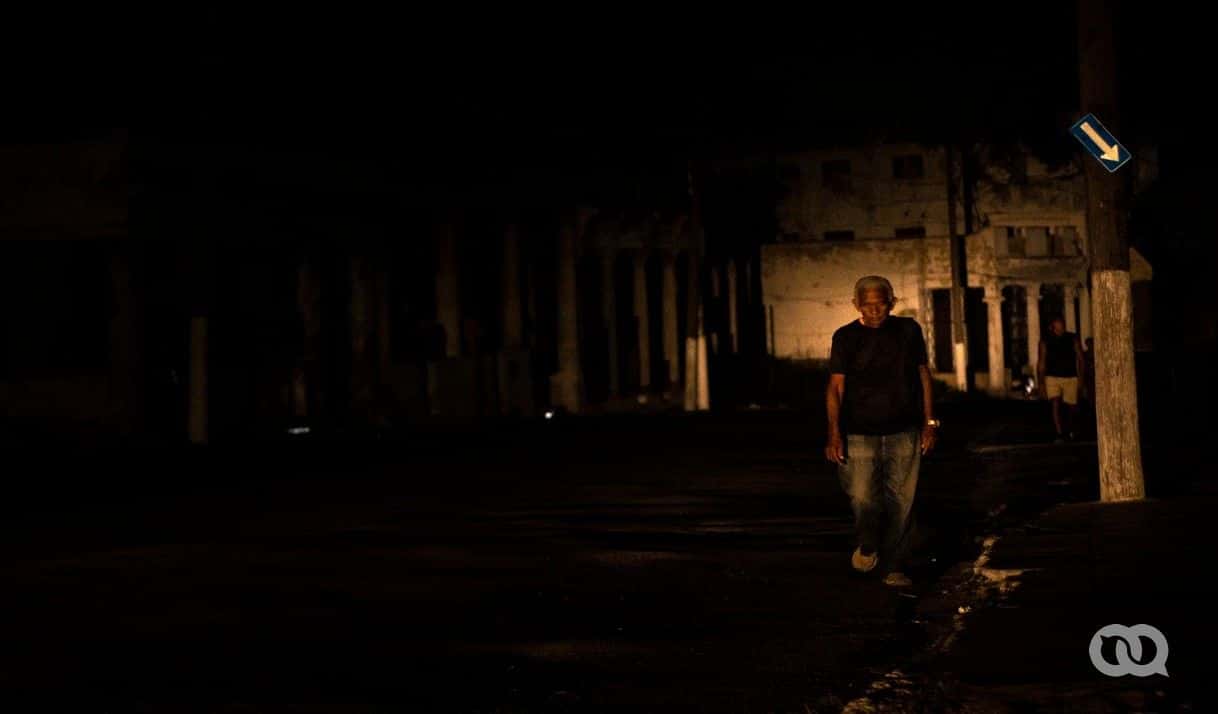
The person who reported the situation described it this way: “people lamenting the spoilage of what little they have to survive; families reinventing their lives and no longer sending their children to school; elderly people who can’t find food or a way to cook it because charcoal costs nearly as much as gasoline; children and not-so-children crowding the streets at odd hours and engaging in vandalism; sick people who don’t get a moment of rest because the heat, darkness, and mosquitoes give no respite during the long, nights without electricity… An entire town outraged and overwhelmed by so much injustice.”
They warn that the resilience and trust Cuban leaders ask for on national television are incompatible with the current reality. “They talk about the ‘defense of the homeland’ and fill their mouths with false words when they say there is a people ready to defend the ‘sovereignty’ and political system of this country. Do they have some cognitive limitation tied to a thirst for perpetual power? I firmly believe they do.”
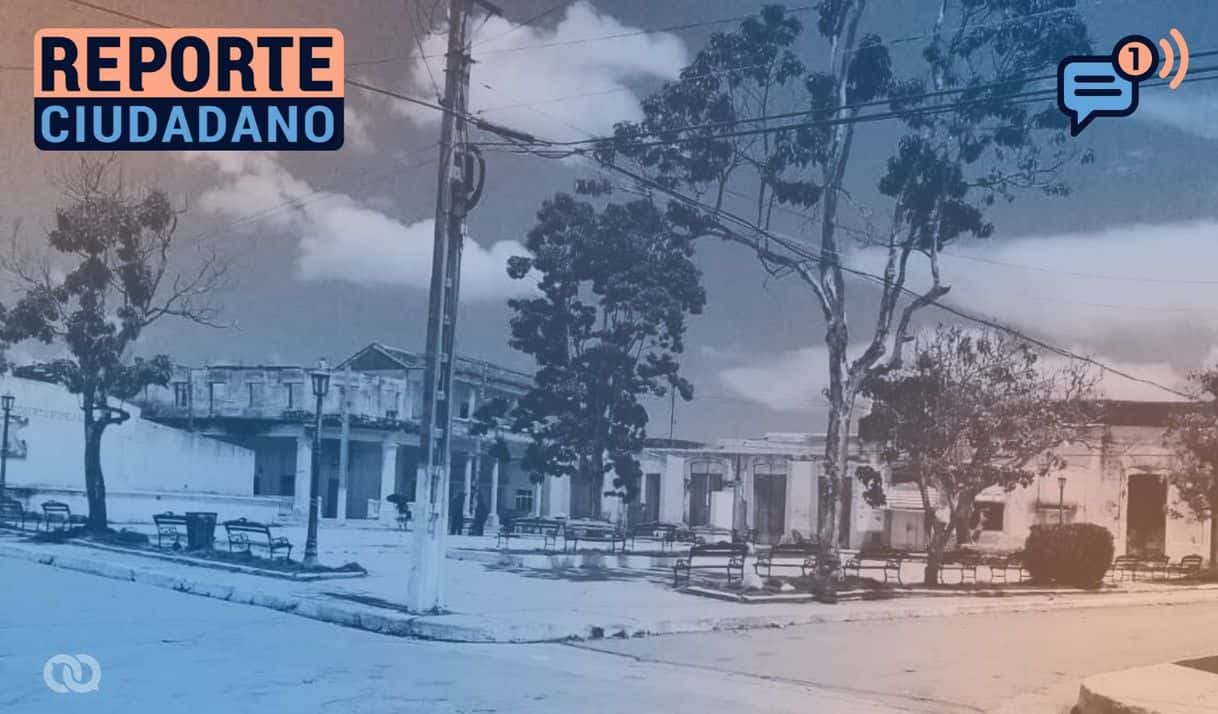
The municipality’s precarious conditions are visible in its dust- and pothole-filled streets, the emptiness of public spaces, and the lack of communication services. “You have to go house to house to find out how people are doing because even phones don’t work,” explains another resident of circuit 78.
A large portion of residents in circuit 78 have begun installing solar panels in their homes. People have stopped protesting blackouts, but they still worry when water runs out. There was a time when circuit 78 didn’t receive that service either, and only those with generators could pump water using so-called “thieves” (illegal connections). Some of those generators run on gasoline, and with the fuel crisis, the problem worsened. Currently, homes use EcoFlow batteries or solar panels, often purchased with help from relatives living abroad.
The second source consulted by El Toque confirmed that disputes have arisen among residents over the blackout schedule. Numerous complaints can be read in local buy-and-sell and Revolico groups in Aguada de Pasajeros. An anonymous participant wrote on March 27, 2026: “three days without power and nobody cares, as if we were dogs who don’t need anything.” In another Facebook group, a message dated April 11, 2026 reads: “doesn’t circuit 78 deserve electricity? How long will this injustice last? People live here too, people who need to solve problems that require electricity—how long will this humiliation continue?”
The complainants are asking, at a minimum, for a more equitable schedule of power cuts and question the management of authorities who offer no explanations and show indifference to the population’s demands. “Our soul has had enough with the sarcasm of the satisfied; our soul is tired with the contempt of the proud; our souls have had enough with mockery,” concludes the complaint sent to El Toque.






Comments
We moderate comments on this site. If you want to know more details, read our Privacy Policy
Your email address will not be published. Mandatory fields are marked with *
DAVID