
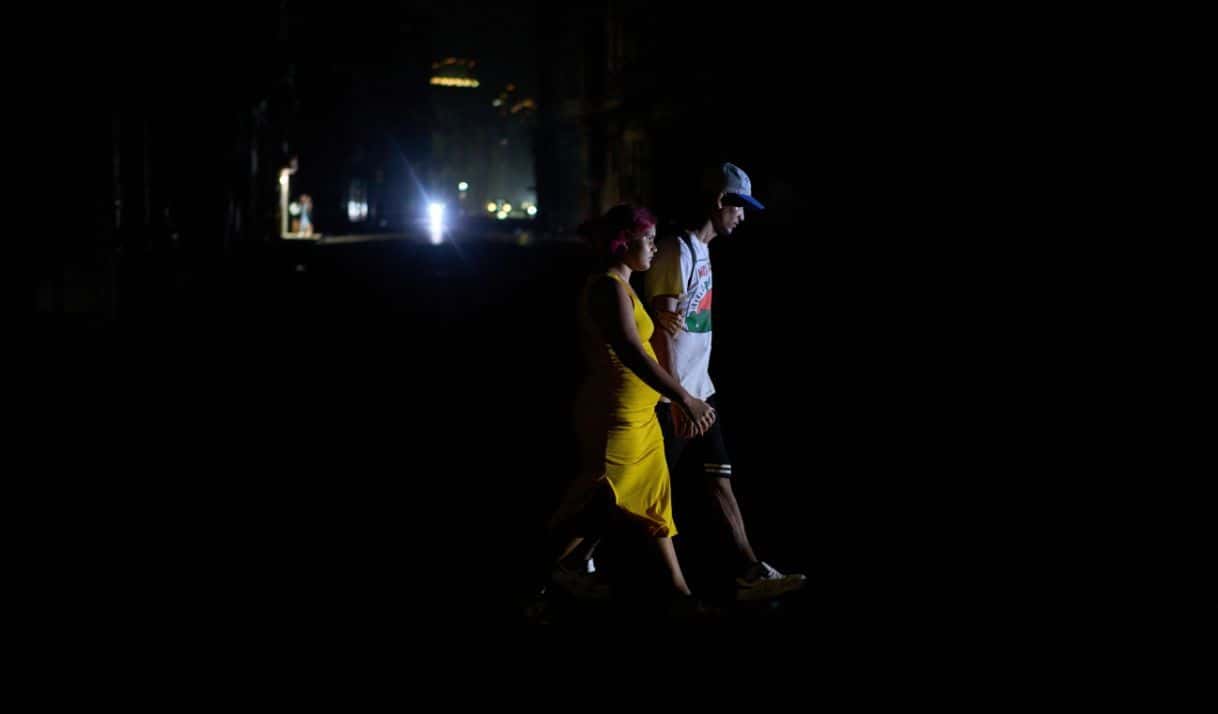
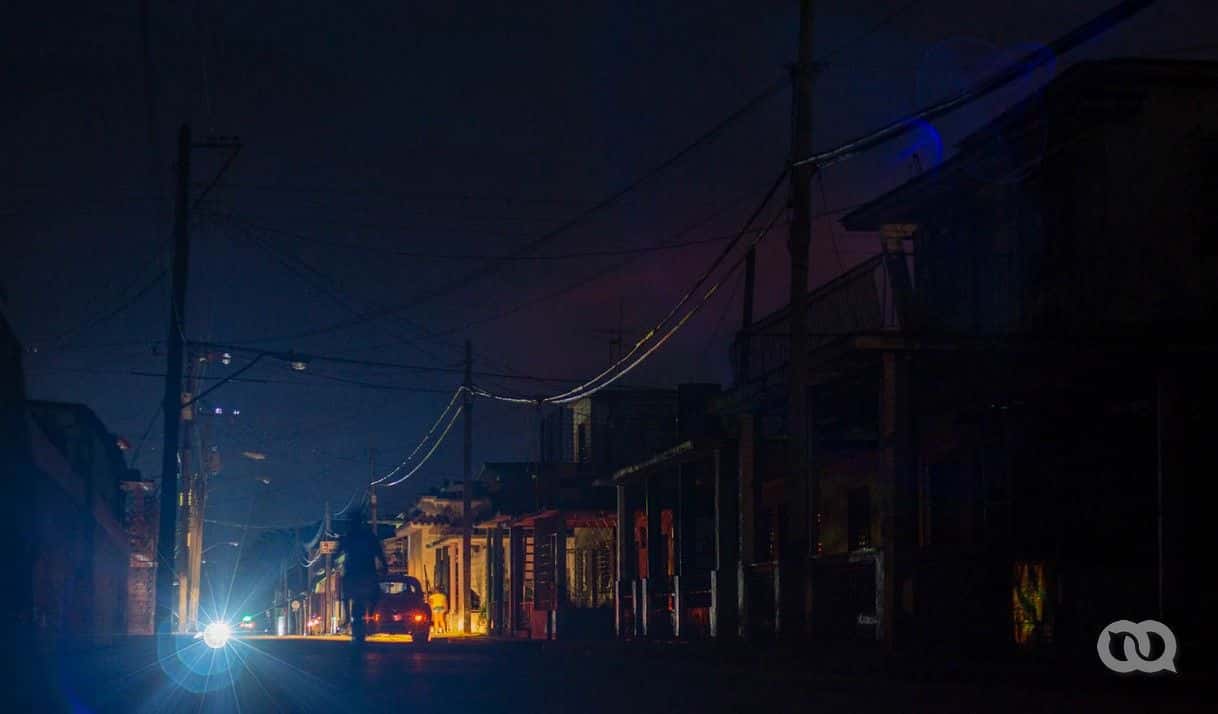
A new total disconnection of Cuba’s National Electric System (SEN) occurred this Monday, March 16, 2026. It is the sixth nationwide blackout in the last 18 months.
The power outage left the entire country without electricity, reported the state-run Electric Company (UNE) on its social media. According to the entity, “the causes are under investigation,” and “emergency protocols” have begun to be activated in an attempt to restore the SEN.
However, authorities warned that normalizing the power supply could take numerous hours due to the condition of the infrastructure and the scale of the breakdowns. Currently, nine of the 16 thermoelectric units that make up the national system are out of service. These plants represent around 40% of the country’s electricity generation, so their shutdown reduces the system’s capacity to meet domestic demand.
Before today’s collapse, the National Electric Power System (SEN) had already suffered five other total failures in just over a year. The first occurred on October 18, 2024; the second on November 6, 2024, associated with the passage of Hurricane Rafael; the third on December 4, 2024; the fourth on March 14, 2025; and the fifth on September 10, 2025, when an unexpected shutdown at the Antonio Guiteras thermoelectric plant caused the system to disconnect.
This article was translated into English from the original in Spanish.






Comments
We moderate comments on this site. If you want to know more details, read our Privacy Policy
Your email address will not be published. Mandatory fields are marked with *
Pedro