
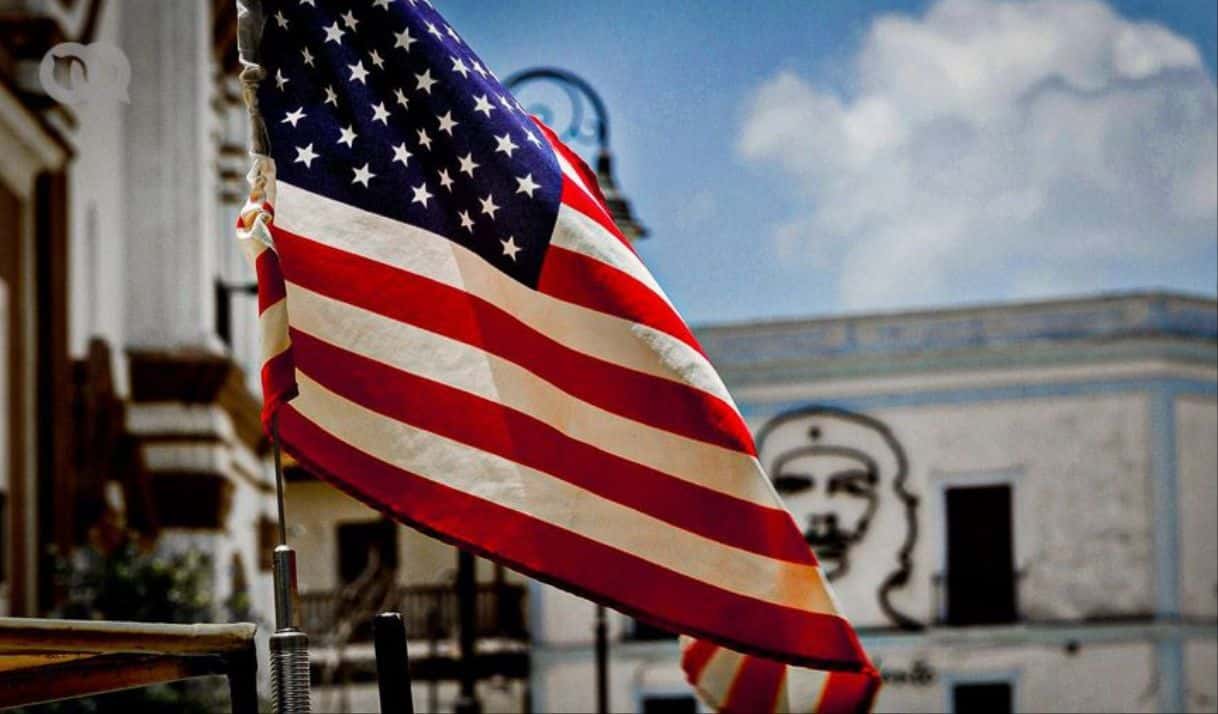
On January 29, 2026, US President Donald Trump issued an executive order aimed at confronting what the White House considers “extraordinary threats” to US national security and foreign policy posed by the “Government of Cuba.” The measure declares a national emergency with respect to the island and creates a mechanism to impose additional tariffs on goods imported from countries that supply oil to Cuba. The objective is to indirectly pressure Havana.
The basis of the order: a perceived threat from Cuba
At the center of the US administration’s assessment is the accusation that Havana is aligned with countries and actors considered hostile to Washington — including Russia, China, and Iran — and that it hosts on its territory groups the US executive classifies as “malign,” including Hezbollah and Hamas, which it accuses of developing economic and security ties in the region.
The order states that intelligence and defense facilities operate in Cuba that “directly threaten the national security of the United States,” highlighting what it describes as the largest Russian signals intelligence installation outside its territory. The text asserts that Cuba cooperates with China on intelligence and defense matters and enables transnational groups to build networks that could “destabilize the Western Hemisphere.”
Expansion of the narrative to include human rights and political repression
The order also includes a direct critique of Cuba’s internal political model. The text accuses the Cuban regime of violating basic human rights: it cites the persecution and torture of political opponents, the denial of fundamental freedoms (such as press and expression), and repressive practices against activists, families of political prisoners, and civil society organizations. According to the document, these actions are not only contrary to the democratic values promoted by the United States, but also “destabilize the region” and threaten US foreign policy.
The Trump administration emphasizes that — although it condemns the regime’s policies — it maintains “a commitment to supporting the aspirations of the Cuban people” for a free and democratic society.
Declaration of national emergency
Based on this assessment, Trump declares the existence of a national emergency regarding the threat posed by the Government of Cuba, invoking the International Emergency Economic Powers Act (IEEPA) and the National Emergencies Act, laws that grant broad powers to respond to crises affecting national security. This declaration allows the executive branch to adopt exceptional economic measures without immediate congressional approval.
New system of tariffs on third countries
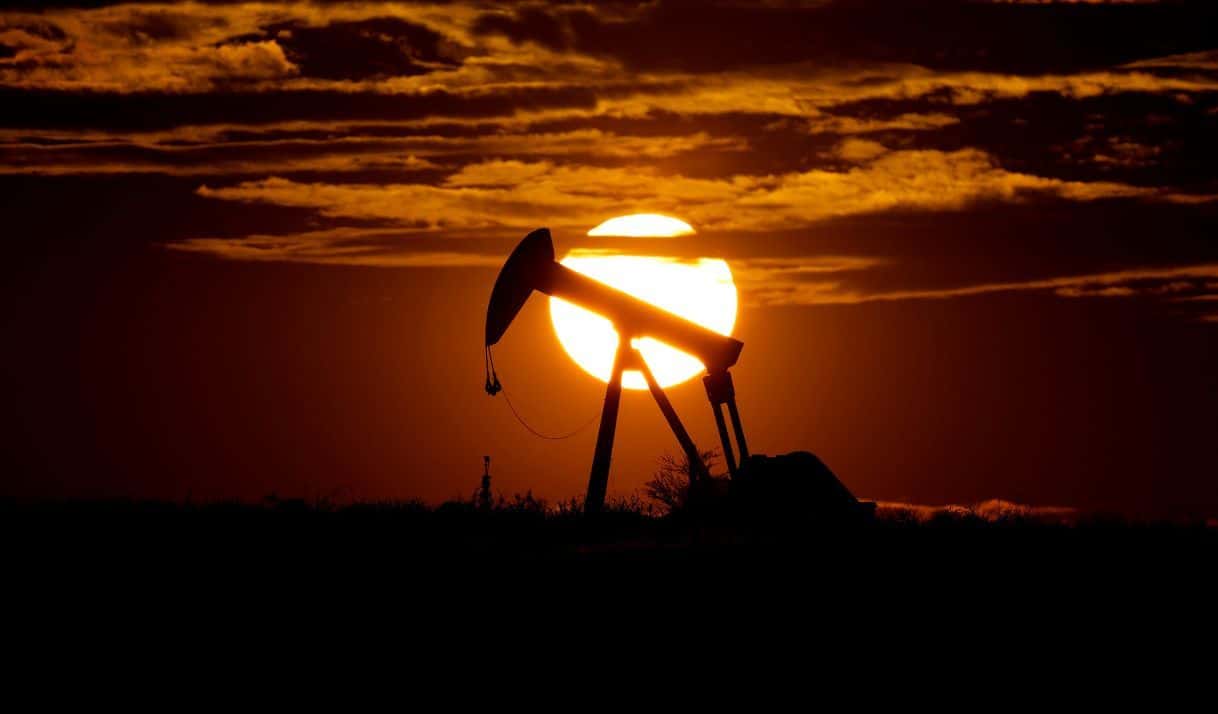
The most concrete action resulting from the order is the creation of a system of additional tariffs that may be applied to US imports from countries that directly or indirectly sell or supply oil to Cuba. The text authorizes an additional ad valorem rate — that is, a percentage tax on the value of imported goods — on products originating from those countries.
The stated objective of this system is to indirectly pressure Cuba by limiting its access to oil, a critical input for its economy and energy system. Operational details are delegated to the secretaries of Commerce and State, who must determine which countries provide oil to Cuba and what level of tariff should be applied.
Authorities and presidential flexibility
The executive order grants the president broad authority to modify the measures as circumstances change, including in response to possible retaliation by other countries or positive steps by Cuba or third parties that align with US security interests. It also establishes an ongoing monitoring and recommendation process through the State Department, which must inform the president about developments and suggest additional actions if deemed necessary.
The new order represents a significant hardening of the Trump administration’s stance toward the Cuban regime. Implicitly, it responds to one of the oldest demands of a sizable sector of the Cuban exile community in the United States: to consider the Cuban regime and its policies a threat to US national security.
The executive order — which may be considered one of the most important milestones in the US hardline policy — was published the same day that Cuban-American members of Congress and exile leaders called a press conference in Miami in which they advocated as key proposals to the administration the cancellation of travel and remittances to Cuba and the revocation of licenses for businesses that operate by and for the Cuban market.




Comments
We moderate comments on this site. If you want to know more details, read our Privacy Policy
Your email address will not be published. Mandatory fields are marked with *
KinderShop