
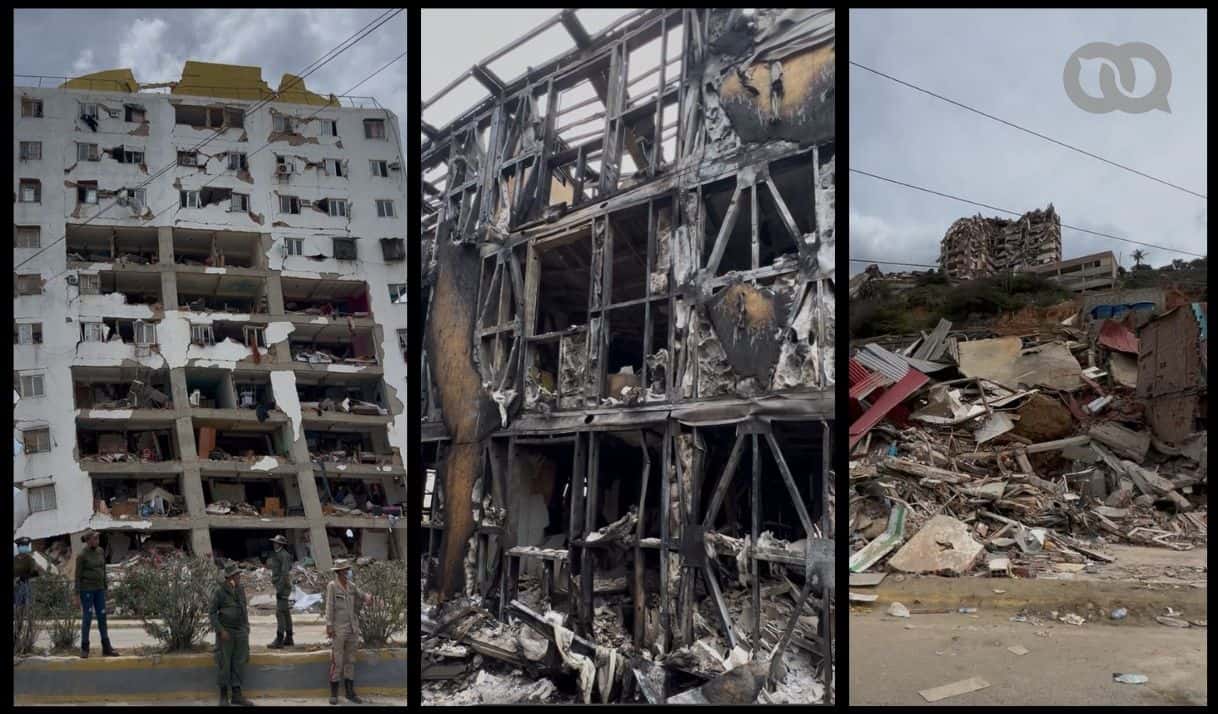
One week after the earthquakes that struck Venezuela, at least 20 Cubans remain missing, although the actual number could be higher. Eight have been found dead. Most were in different parishes of La Guaira—Caraballeda, Catia La Mar, Macuto, and Naiguata—the state that has become a “disaster zone” on the shores of the Caribbean Sea.
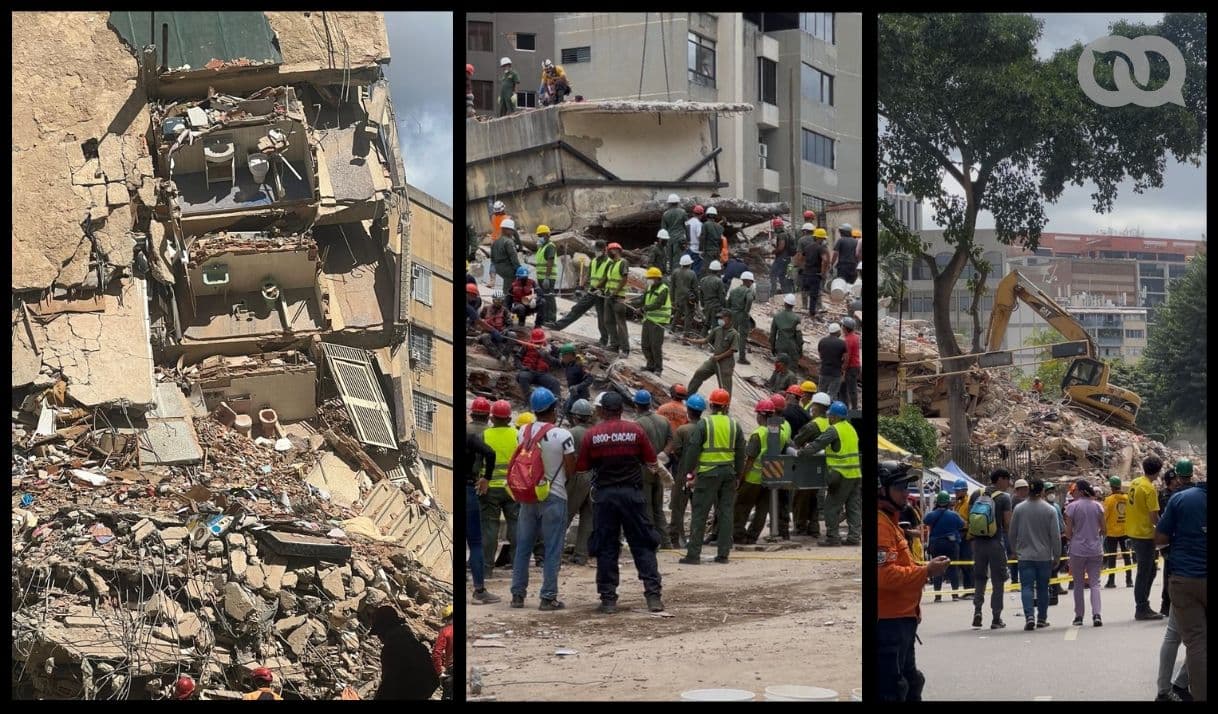
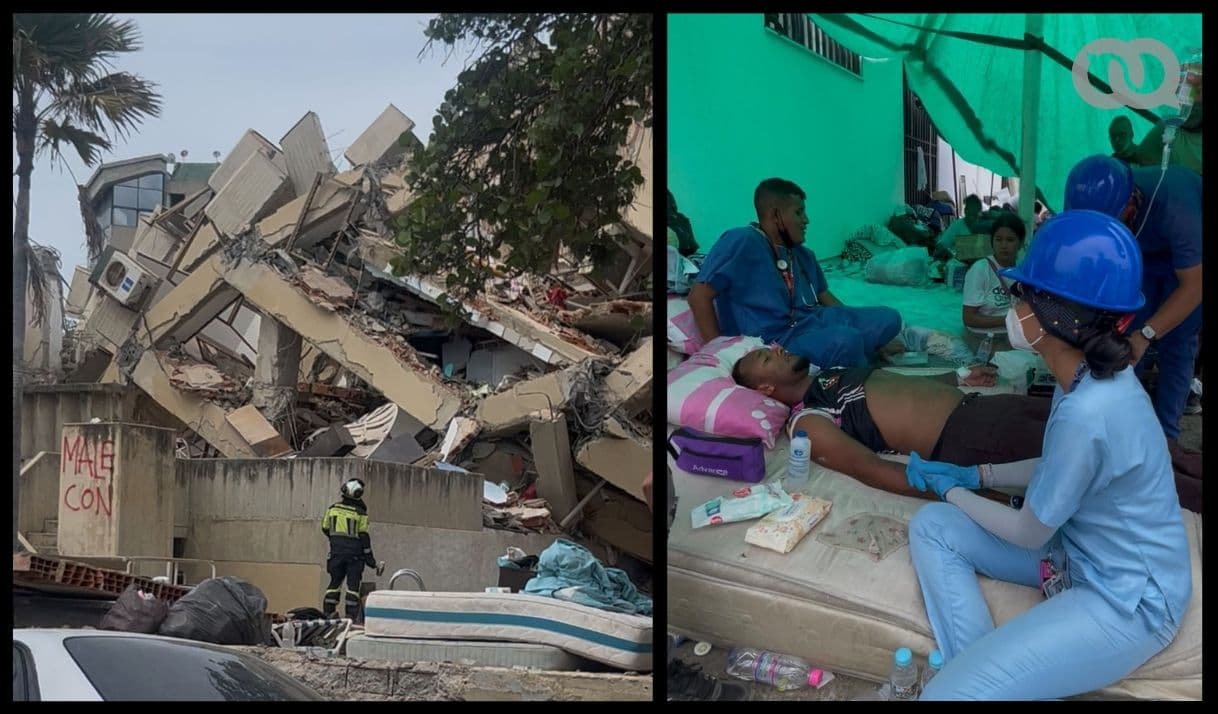
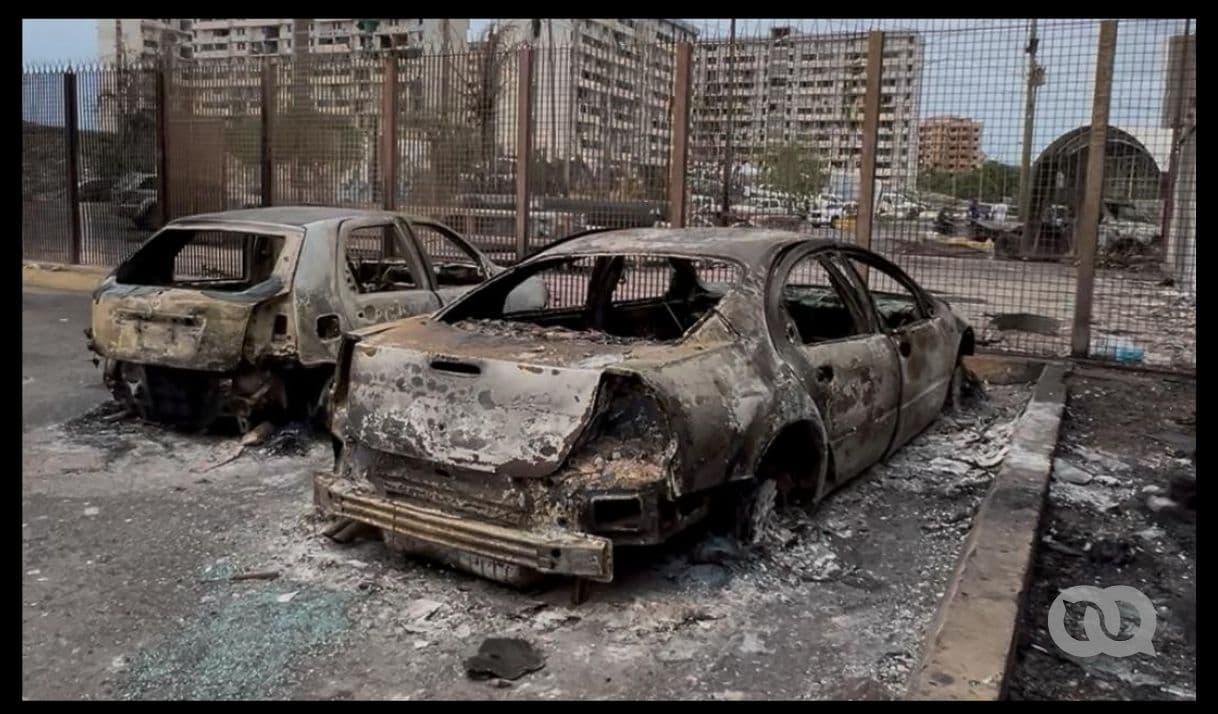
The European Copernicus service has identified 434 buildings that have completely collapsed. The highest estimate of the damage comes from the University of Oregon, which puts the number of damaged or destroyed buildings at 58,870. The official death toll has risen to more than 1,700, and in the cities hardest hit by the earthquakes, chaos and the anguish of families still prevail. The landscape is devastating with rubble and shattered buildings buried beneath even more rubble and dust.
Rescue efforts are racing against time, but there is no coordinated organization, no unified human effort, and several areas are already being marked with colored symbols—or draped with red sheets—to indicate that no survivors are believed to remain. Family members have clawed through the concrete with their bare hands in search of loved ones. The smell of death is overwhelming; it catches in the throat and refuses to leave.
Humanitarian aid has been slow to reach several of the hardest-hit areas in La Guaira. Internet and telephone services are down, and some people, trying to communicate with those trapped beneath collapsed structures, are walking the streets carrying satellite antennas to set up temporary Wi-Fi networks.
The process of identifying bodies recovered from the rubble has been extremely difficult. Because of failures in automated systems, forensic experts are taking detailed photographs of faces, clothing, tattoos, and personal belongings. Relatives must visit makeshift morgues to examine these photographic catalogs in the absence of printed public lists.
The Cubans who have yet to be recovered, along with their families, like the rest of the Venezuelan people, continue to endure a nightmare from which it will be extraordinarily difficult to recover.
Cuba’s Foreign Ministry, which initially denied that any Cuban citizens had been affected, is not carrying out the work it should to help rescue its nationals or support their families. Amid such widespread devastation, it remains unclear how the bodies of the deceased Cubans could possibly be repatriated.
The Cubans in Venezuela, like tragedy itself, are almost entirely on their own.
This article was translated into English from the original in Spanish.