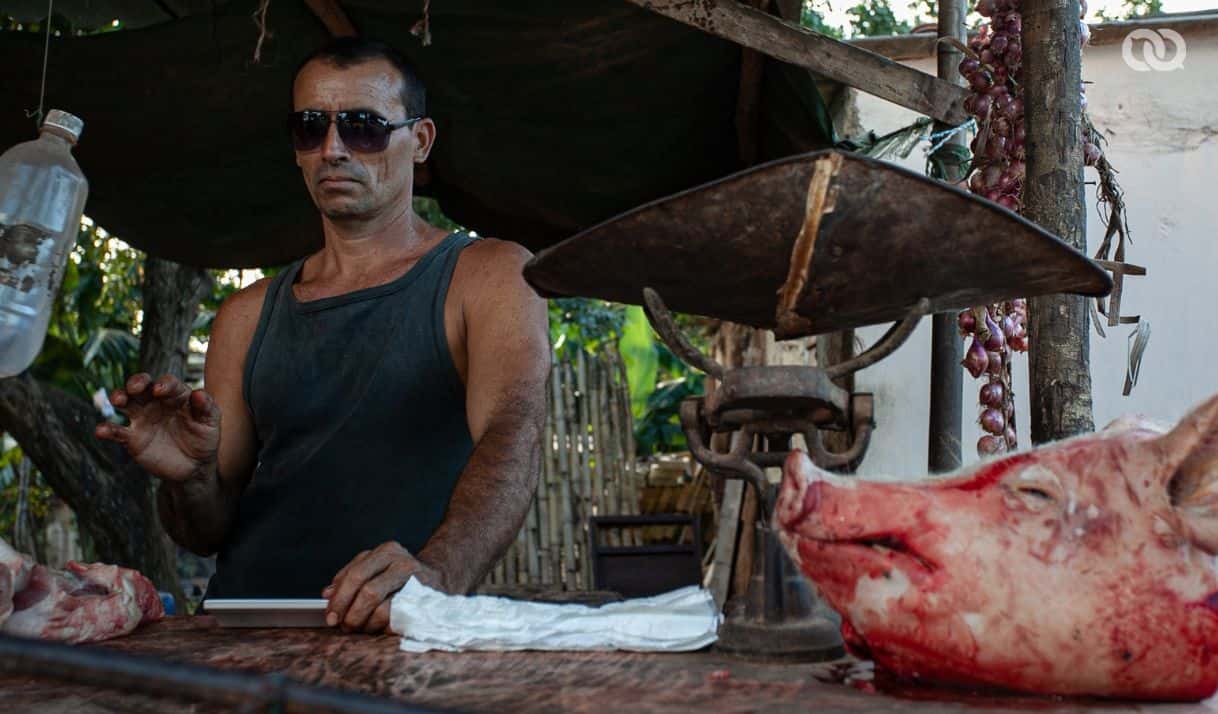
With Less Production Everything Costs More: Is Cuba Experiencing Stagflation?Stagflation — a phenomenon warned about by economists such as Pedro Monreal — could describe a new phase of the Cuban crisis.
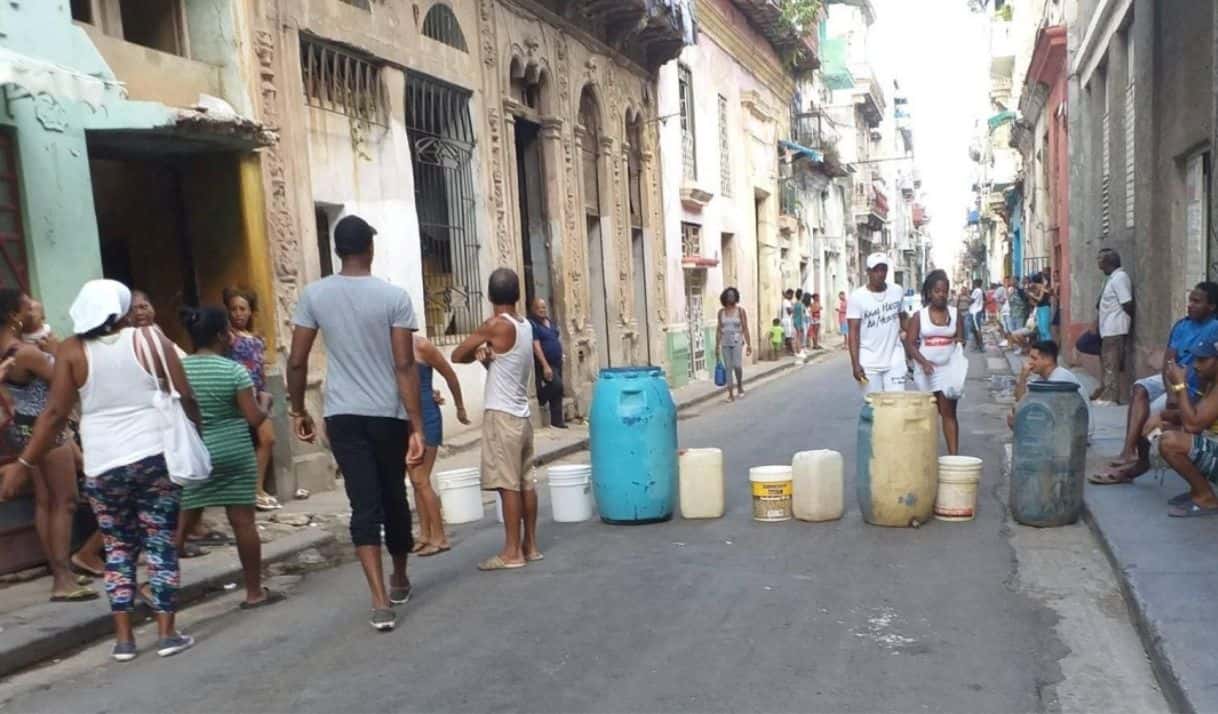
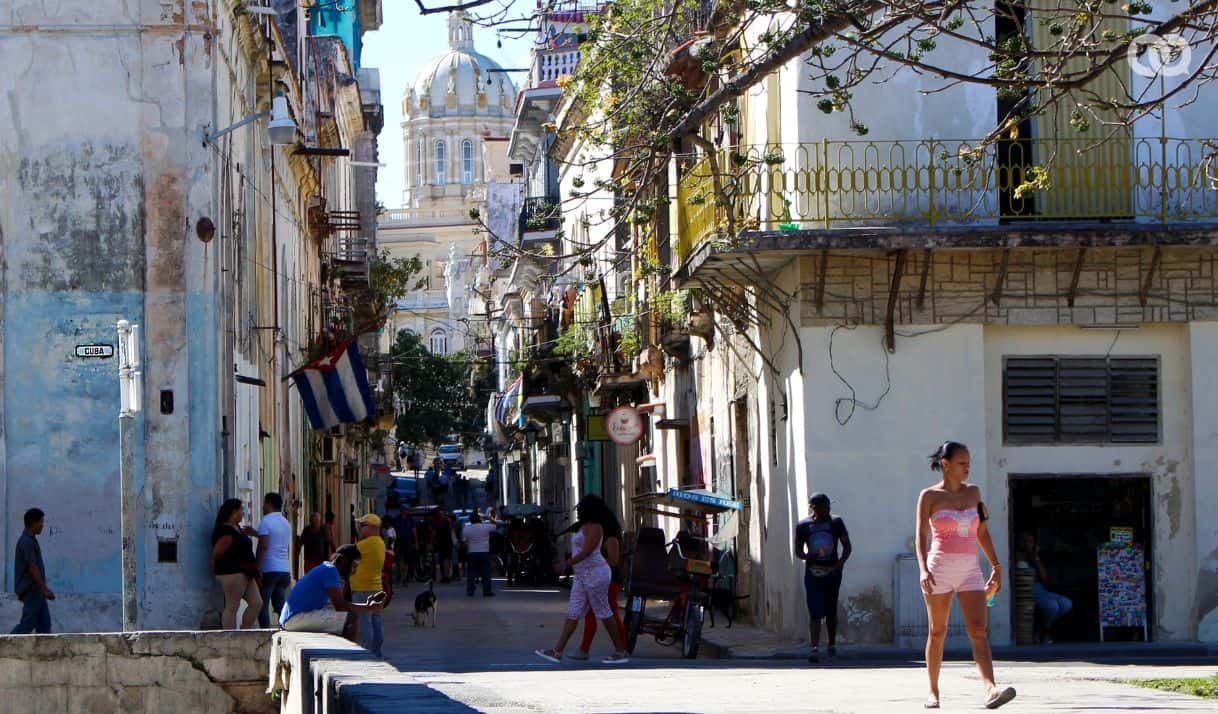
The Daily Routine in Cuba With Blackouts, Without WaterLucía*, 63, a retired teacher and resident of Centro Habana, lives on the top floor of an old building. From her doorway, she can see the building’s water tanks. When she hears the sound of water falling into them, she knows that, in theory, the supply has reached the building. But that does not mean it will immediately come out of the faucet in her apartment.
Ruin and Rum: The Intimacy of a Country with No Way OutAmid the barrage of names — Donald Trump, Marco Rubio, Miguel Diaz-Canel — the descendants of the Castros, the back-and-forth of humanitarian convoys, the lifeline of Claudia Sheinbaum, the Turkish tankers, Russian oil; amid the ration book, the darkness, the loneliness, the hunger, the hurricanes, the price of the dollar, the boredom, the illnesses, the filth, the lies on the nightly news, the fear, the repression… there are those in Cuba who have decided to drink until they can drink no more.
Cuba: Too Many Victims, No Scandal Big EnoughIn Cuba, and in its exile community, there are too many victims. Each story shakes us for a few days. It circulates on social media, sparks outrage, makes headlines. And then, almost always, little by little, it fades from view. Not because the injustice has been resolved, but because a new one is about to happen.
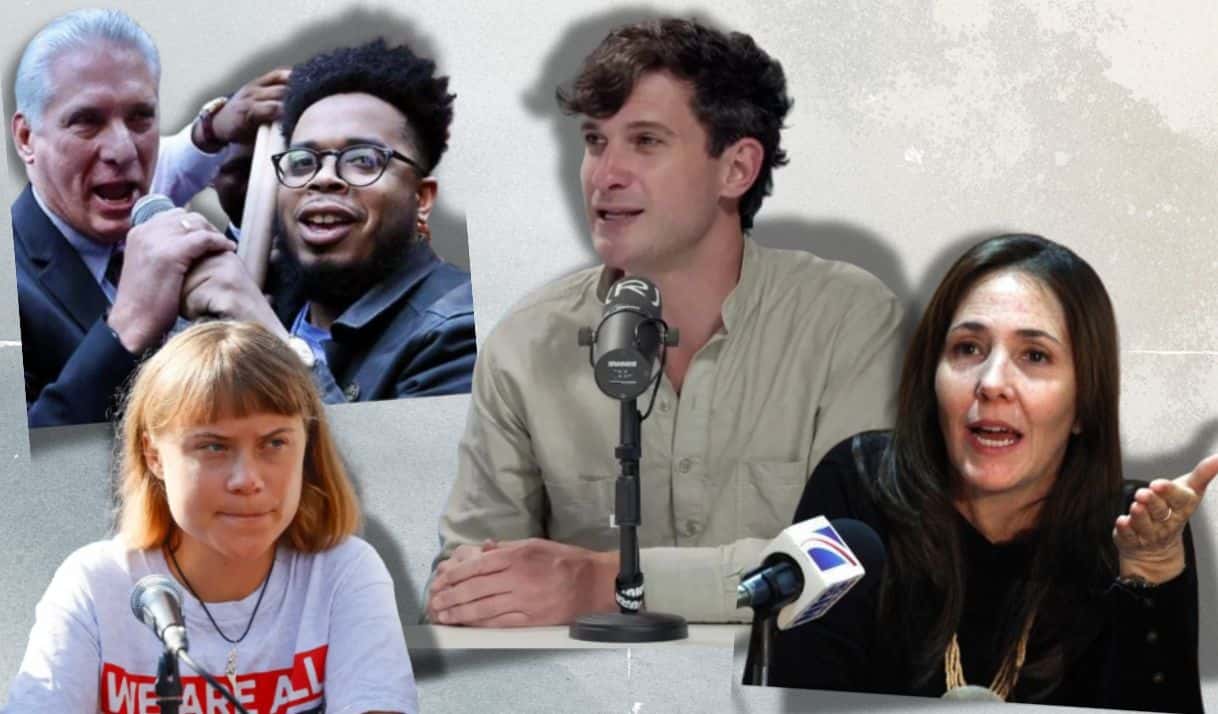
Who Is Organizing the “Nuestra América” Flotilla to Cuba?The need for humanitarian aid in Cuba is real. Widespread shortages affect large sectors of the population and have constituted an urgent problem for years. The debate surrounding the current “Nuestra America” flotilla therefore does not revolve around whether assisting the Cuban population is appropriate, but rather around the conditions under which that aid is organized and distributed.
Cuban Gov. Says Will Permit Emigrants to Invest in CubaOscar Perez-Oliva, deputy prime minister and minister of Foreign Trade and Foreign Investment, announced on the March 16, 2026 broadcast of the program Mesa Redonda that Cubans living abroad will be able to partner with private businesses on the island through different business arrangements and establish alliances with both state and private entities.
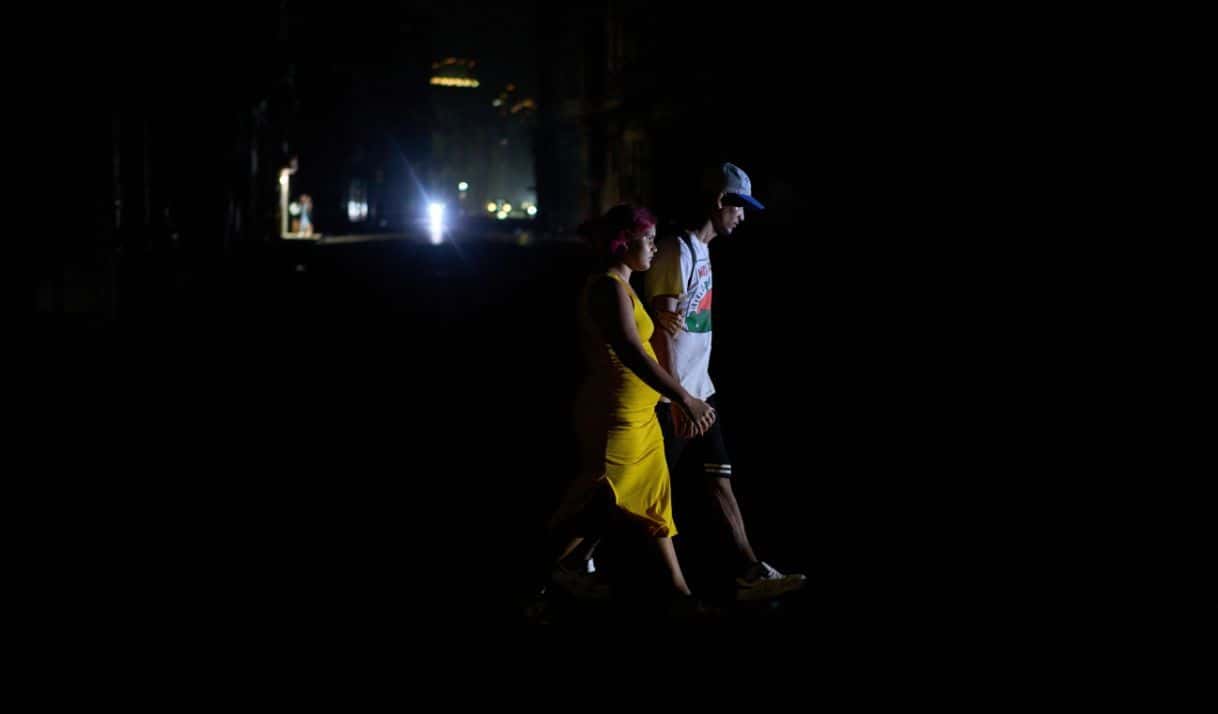
Cuba Suffers Another National Electrical CollapseThe sixth nationwide power outage in a year and a half
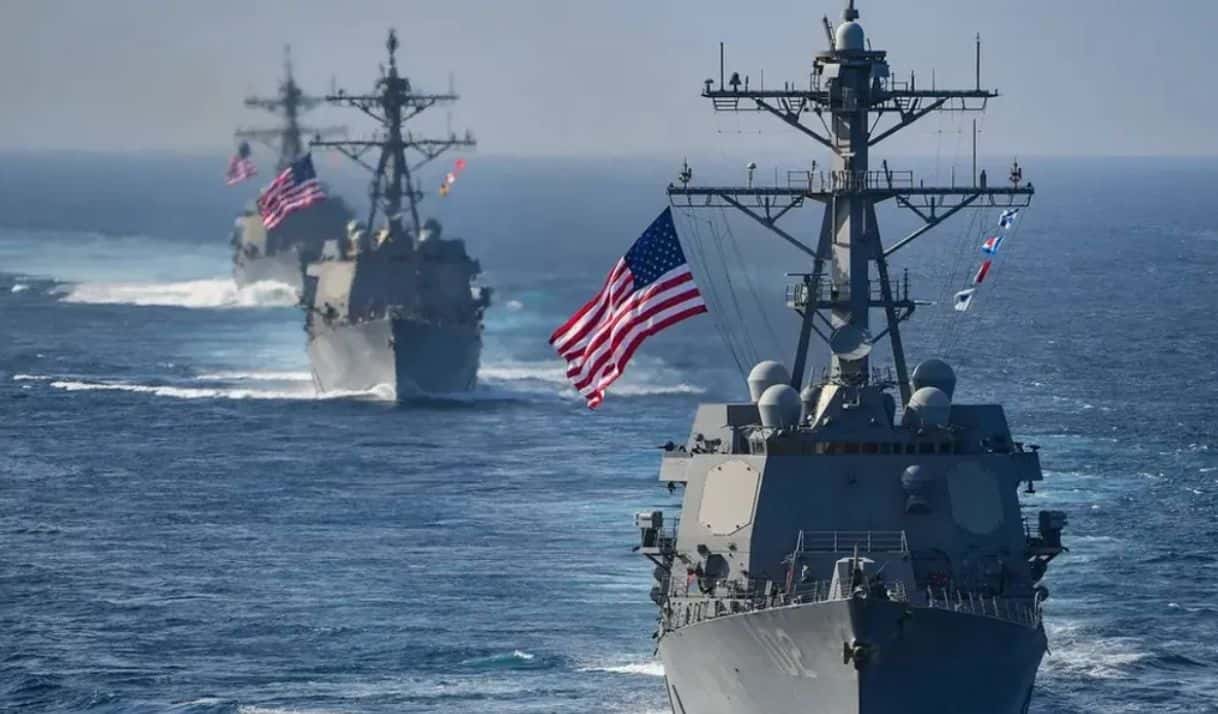
How Viable & Imminent Could a US Naval Blockade of Cuba Be?The possibility of a US naval blockade of Cuba has entered political and media debate. On January 24, 2026, Cuban Vice Minister of Foreign Affairs Carlos Fernandez de Cossío denounced what he described as a “brutal” attempt by the US government to prevent fuel from reaching the country—a measure that, he said, would constitute an act of aggression against a state that poses no threat to Washington.
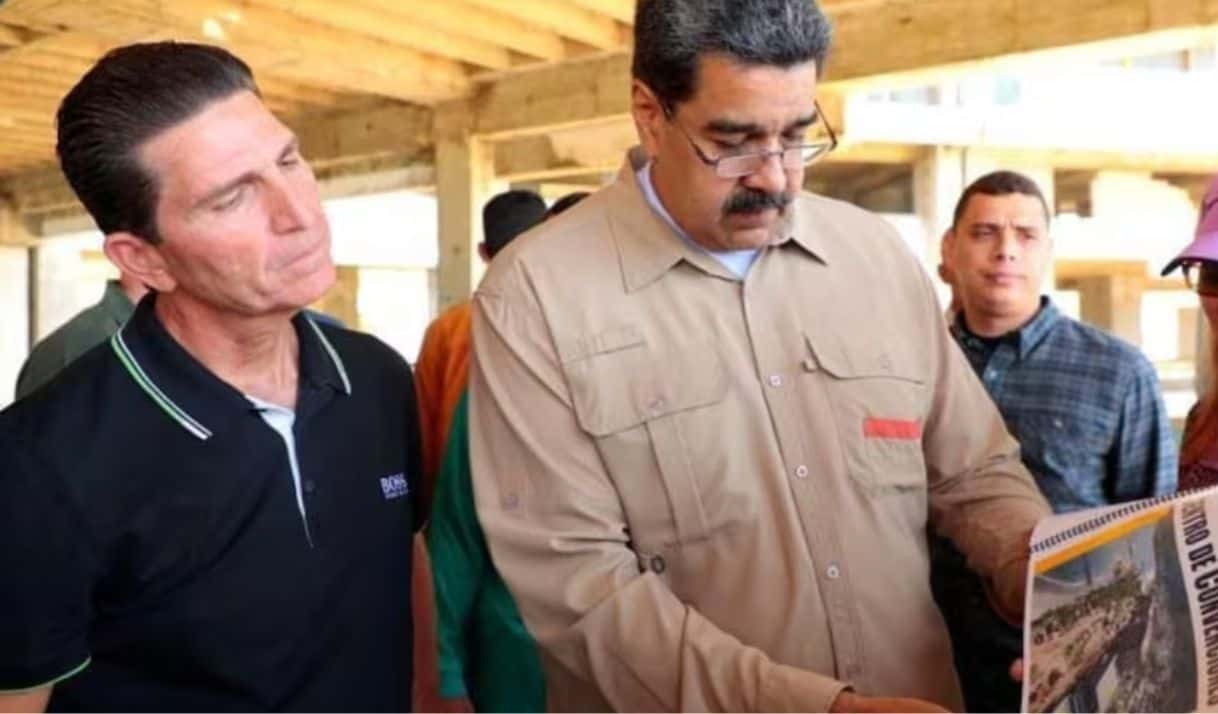
The Key Figure in the Flow of Oil Between Venezuela & CubaIn late September 2025, the name Ramon Carretero Napolitano appeared in several press reports across the region. The Panamanian businessman was aboard the Learjet 55 that crashed in Maiquetia, Venezuela.
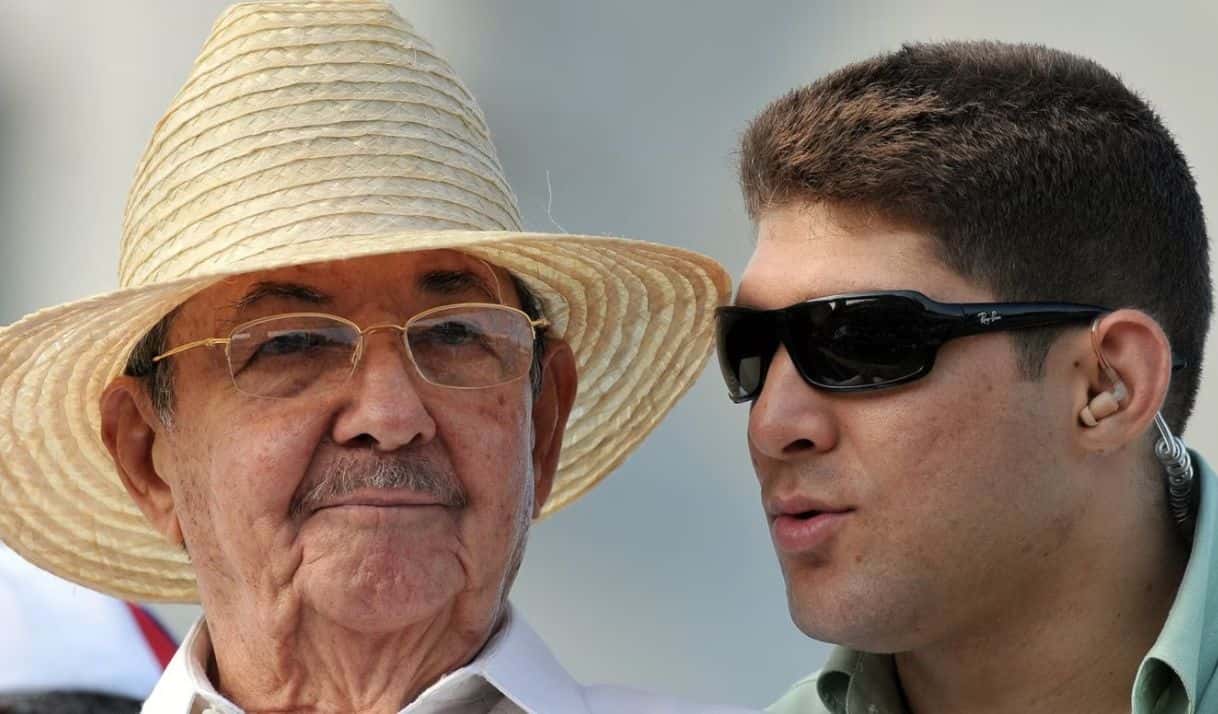
Cuba: The Secret Trips of Raul Castro’s Grandson to PanamaRaul Guillermo Rodriguez Castro, known as “El Cangrejo” (the Crab) and grandson of Cuban general Raul Castro, has become a frequent visitor to Panama, using private planes for his travels
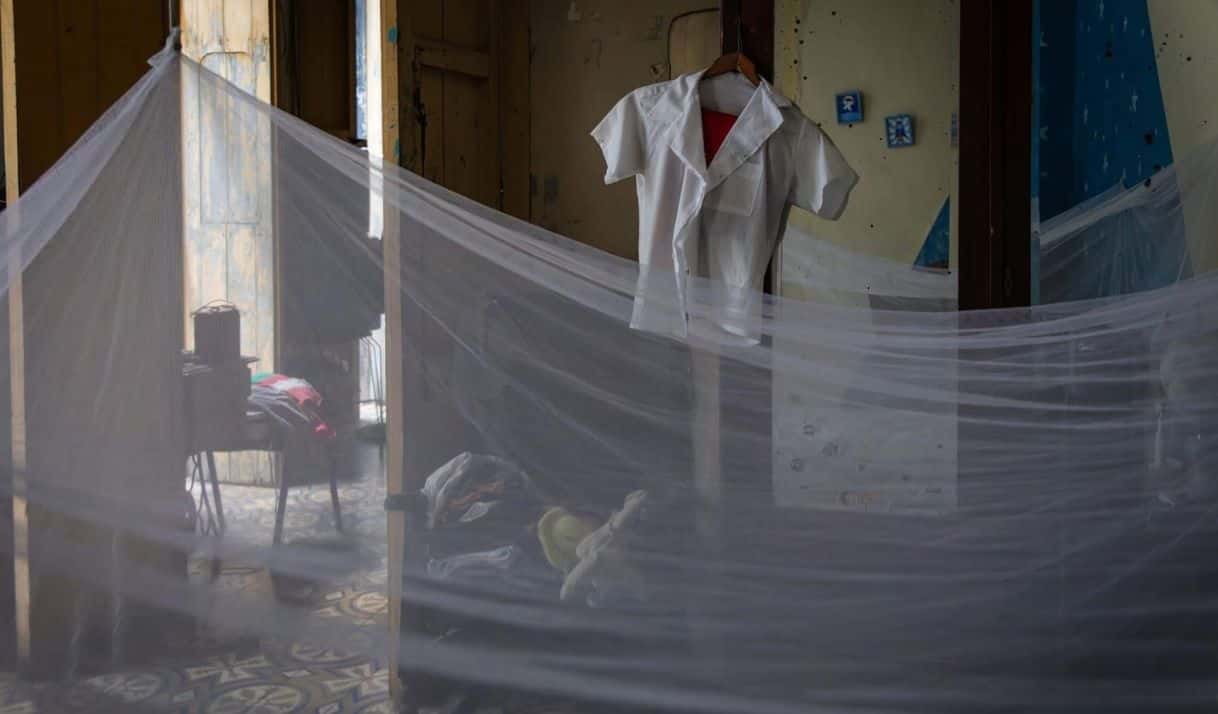
With “the Virus” Sweeping Cuba – Where’s the Government?Perhaps you who’s reading this would feel the same way if your entire family—I repeat, your entire family—had recently been infected with a “virus” or is currently infected, and you don’t even know what it is, how to treat it, or who to turn to. You also know that the country’s healthcare system is in chaos.
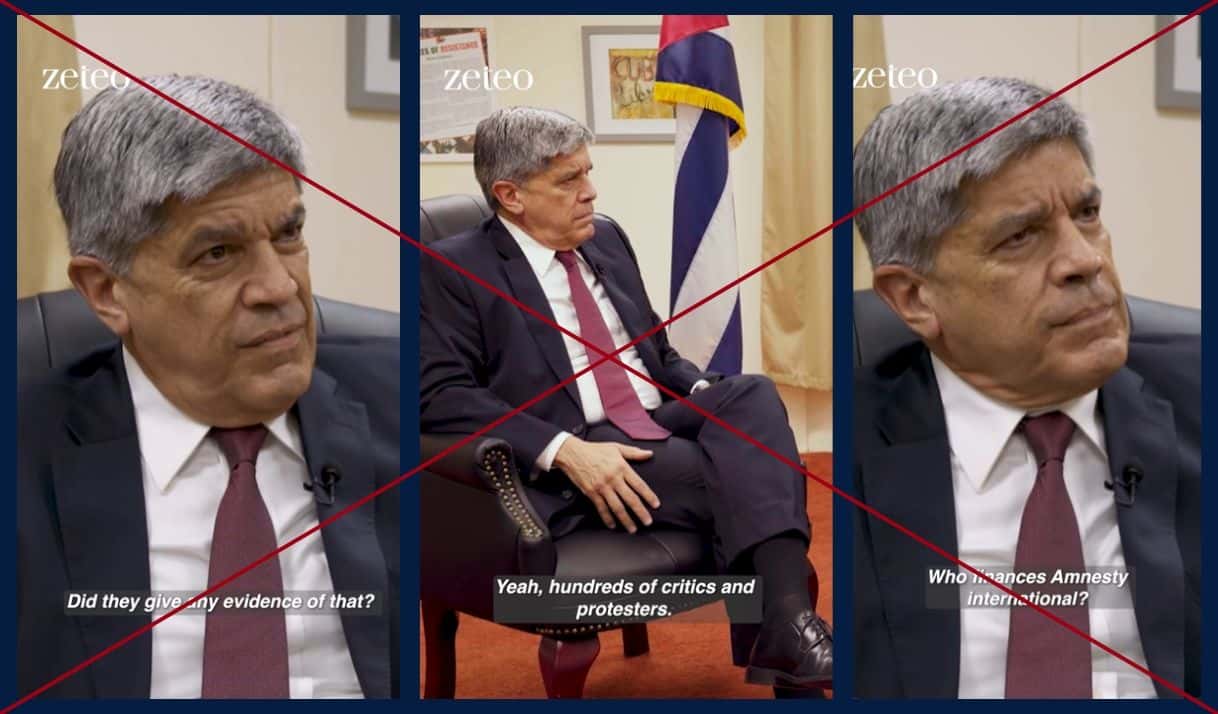
Is it True There Are No Political Prisoners in Cuba?From Raul Castro to Fernandez de Cossío: the same FALSE discourse persists to deny political prisoners and accuse Amnesty International.
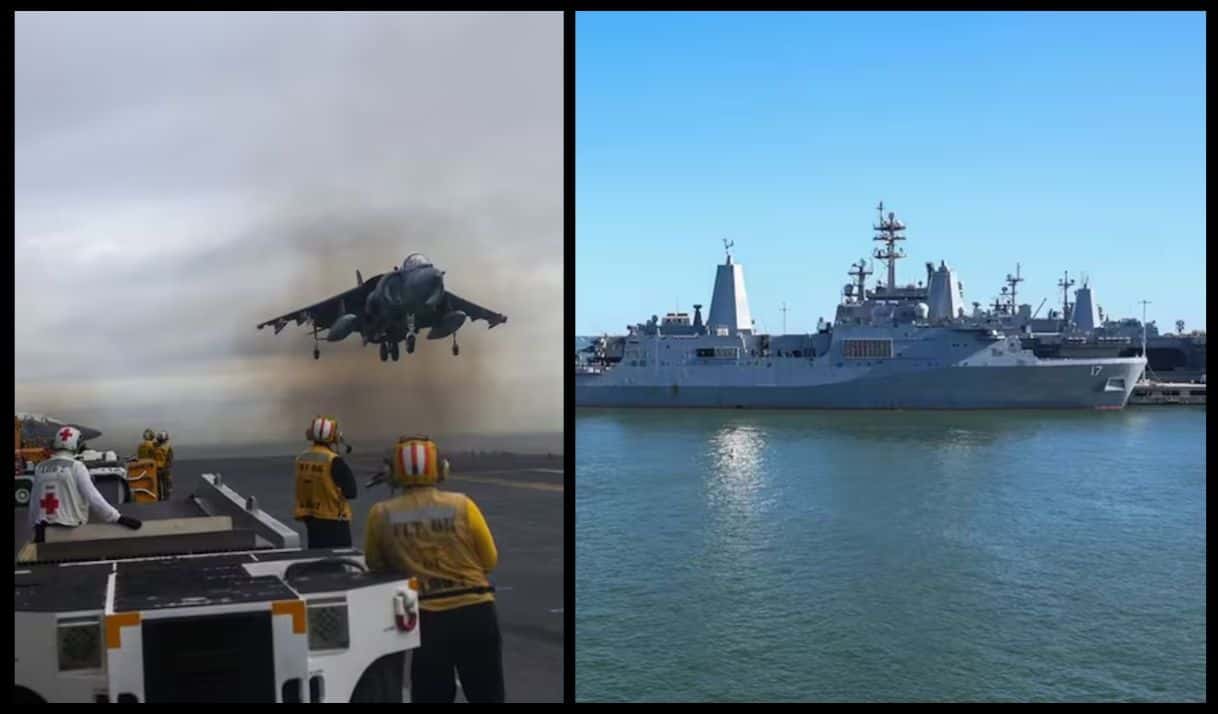
Reactions to US Deployment of Warships in the CaribbeanThe alleged US naval deployment in the Caribbean has deepened regional divides, with Cuba, Venezuela, and Nicaragua denouncing it as imperialist aggression. Meanwhile, countries like Trinidad and Tobago, Paraguay, and Argentina have aligned with Washington, labeling the Cartel of the Soles a terrorist organization.
Cuban Government Blames USA for Its Agricultural CrisisIn his speech before the Second UN Summit on Food Systems (UNFSS+4) on July 28, 2025, Jorge Luis Tapia, Cuba’s deputy prime minister grossly misled the body about the cause of Cuba’s agricultural and food crisis. By casting the entire blame for the crisis on the United States sanctions, the official conveniently ignored a series of internal failures.
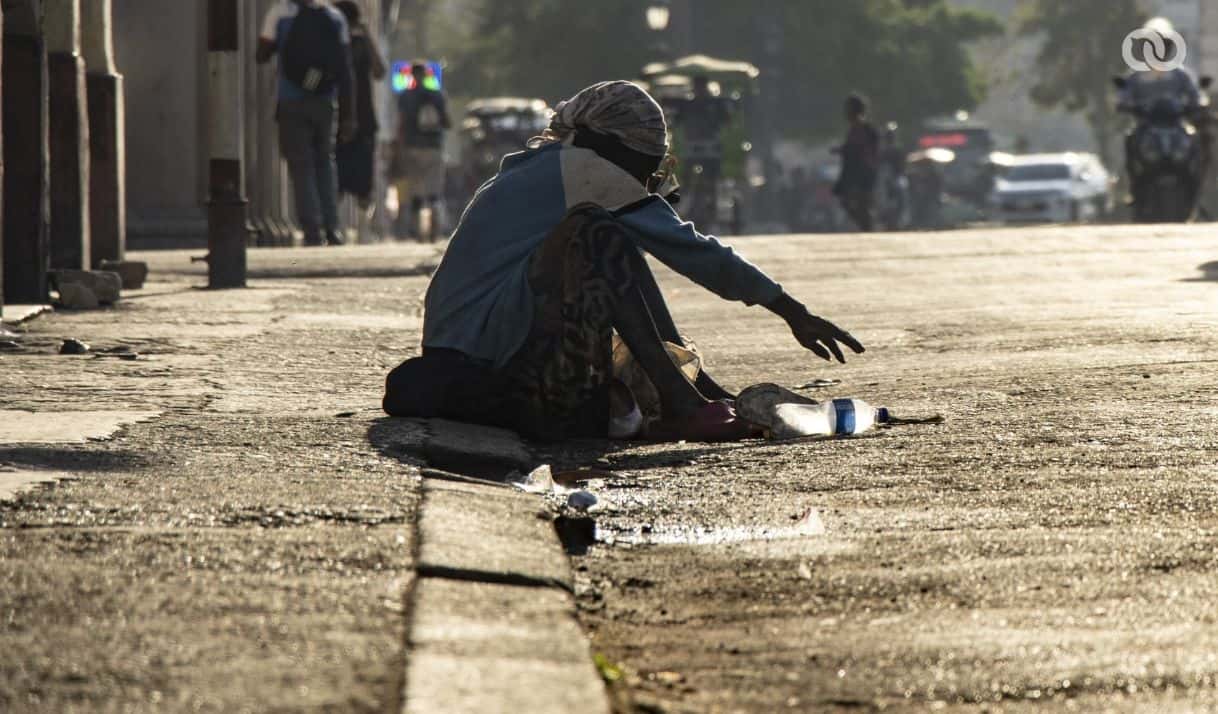
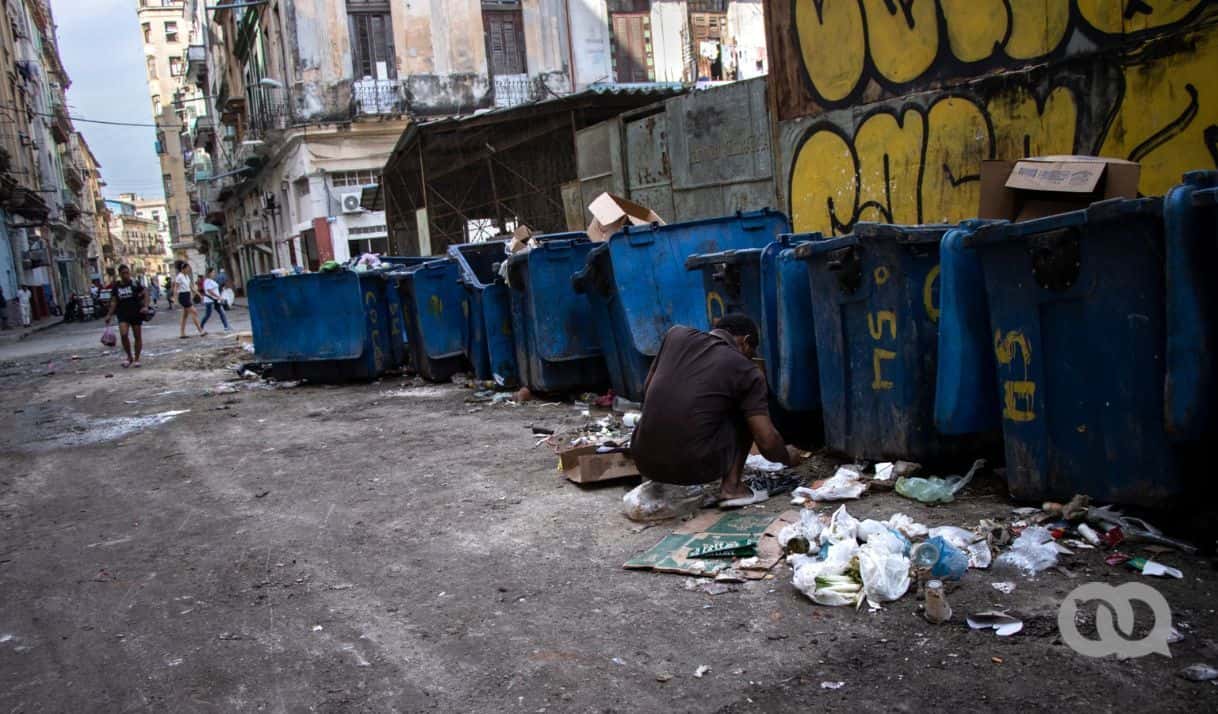
“There Are No Beggars in Cuba,” says Labor MinisterMarta Elena Feitó Cabrera, head of Cuba's Ministry of Labor and Social Security (MTSS), claimed that "there are no beggars in Cuba." Her statements are misleading and contradict both official figures and the reality experienced by Cubans.