Autor

Raudiel Peña Barrios
Coordinador del Observatorio Legislativo de Cuba. Licenciado en Derecho por la Universidad de La Habana y máster en Derecho Constitucional. Ha publicado artículos sobre varias temáticas jurídicas y políticas en revistas especializadas de Ecuador, Chile, Costa Rica y Alemania.
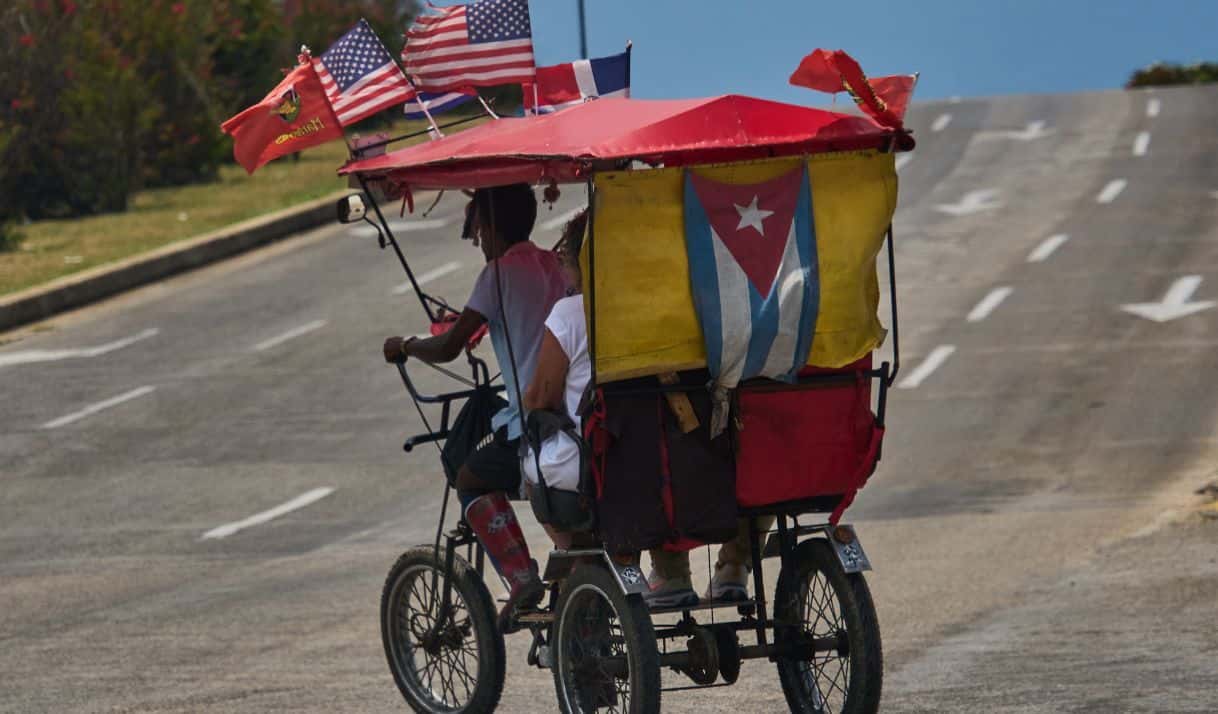
A recent analysis by the Washington, D.C.-based Center for Strategic and International Studies (CSIS) evaluates several political and military scenarios regarding how the United States might act toward Cuba.

At present, Cuban doctrine does not realistically contemplate large-scale conventional operations in support of a foreign ally, much less against a technologically superior military power. The deployment of Cuban personnel in Venezuela prior to the January 2026 attack was framed more around advisory, security, intelligence, and protection roles than conventional combat.
Autores

Raudiel Peña Barrios
Coordinador del Observatorio Legislativo de Cuba. Licenciado en Derecho por la Universidad de La Habana y máster en Derecho Constitucional. Ha publicado artículos sobre varias temáticas jurídicas y políticas en revistas especializadas de Ecuador, Chile, Costa Rica y Alemania.
A recent analysis by the Washington, D.C.-based Center for Strategic and International Studies (CSIS) evaluates several political and military scenarios regarding how the United States might act toward Cuba.
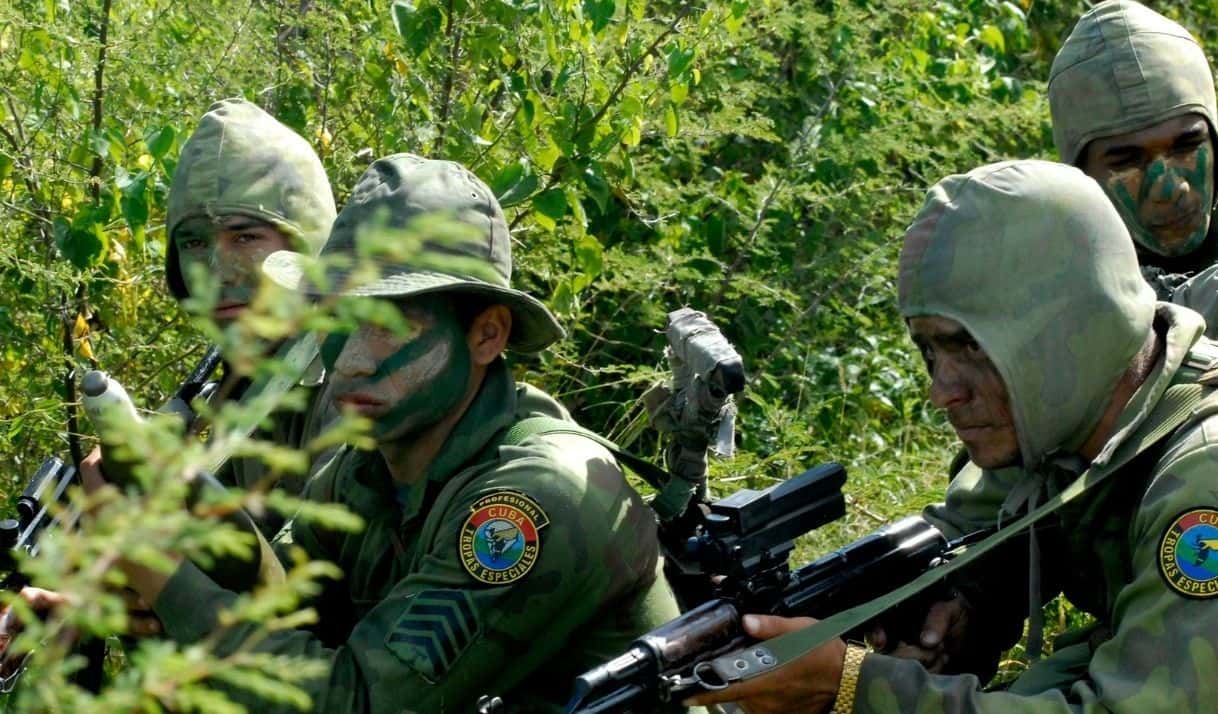
At present, Cuban doctrine does not realistically contemplate large-scale conventional operations in support of a foreign ally, much less against a technologically superior military power. The deployment of Cuban personnel in Venezuela prior to the January 2026 attack was framed more around advisory, security, intelligence, and protection roles than conventional combat.

