El Toque verified that among the 2,010 people pardoned by the Cuban regime, announced in April 2026, only two are political prisoners. The Government published the Presidential Decree containing the list of beneficiaries in the Official Gazette nearly two months after the measure was announced.
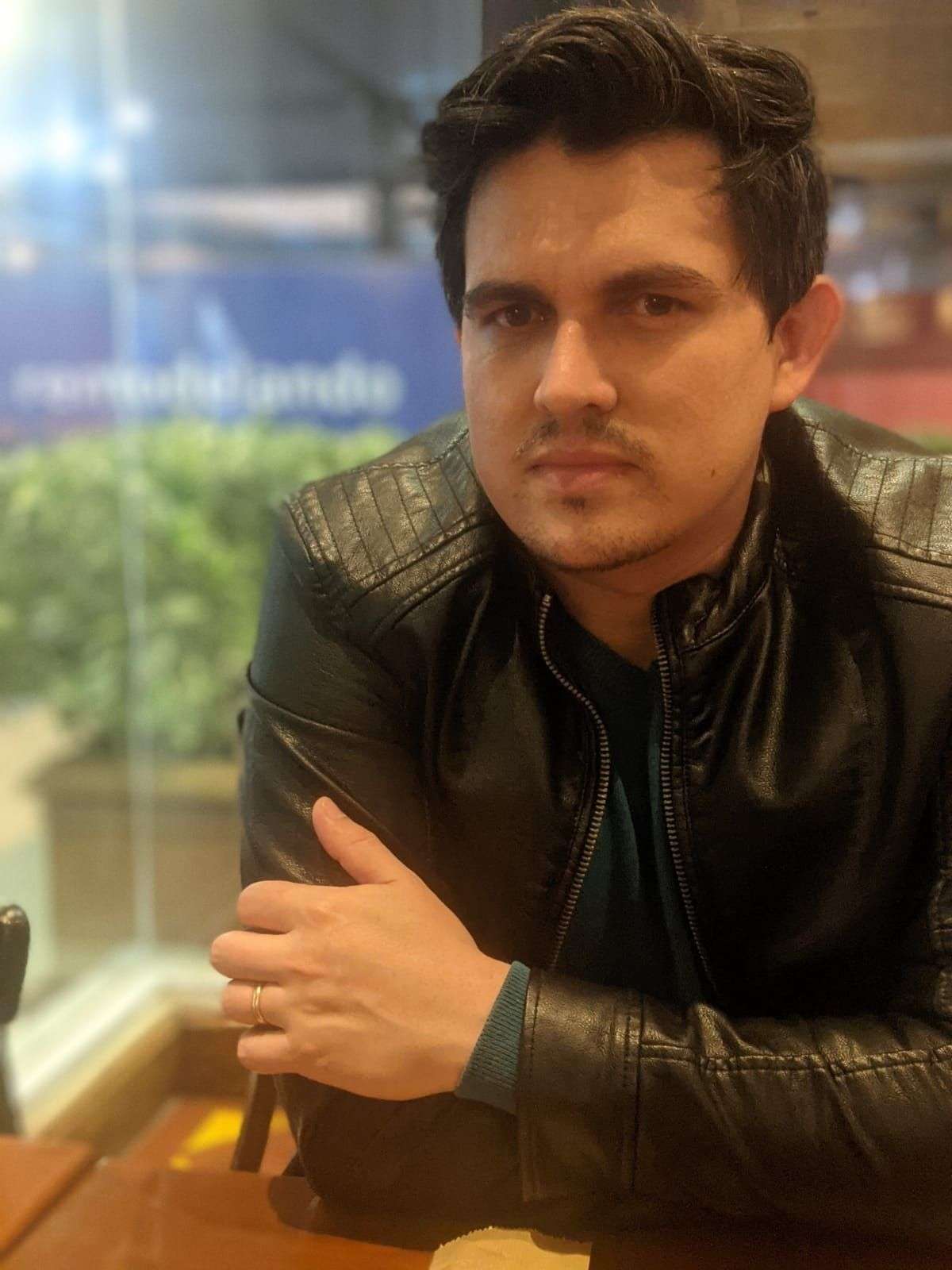
After comparing the official list with a database compiled by El Toque and information from independent human rights organizations, we identified the two political prisoners granted pardons as: Ivan Leydis Acosta Matos, a resident of Guantanamo, and Kevin Lay Laureido Rojas (from the special municipality of Isla de la Juventud).
According to Prisoners Defenders, Acosta Matos is a 25-year-old man who was arrested in June 2023 “after peacefully protesting against the Cuban Government in a public recreation area.”
Kevin Lay Laureido Rojas was considered by the Observatorio Cubano de Derechos Humanos to be imprisoned for political reasons. He was detained and prosecuted for “abandoning a military unit where he had been forcibly enlisted,” after refusing to complete compulsory military service.
The decree does not specify the crimes for which each person was convicted or how much of their sentence they had served. The preamble to the document states that, in granting the pardons, authorities considered “the characteristics of the acts committed, their conduct while serving the sentence, and the portion of the sentence already completed,” but it offers no objective criteria. This makes it impossible to determine explicitly whether the pardon prioritized certain categories of crimes or whether a uniform standard was applied.
The pardon was granted to individuals tried by municipal and provincial courts from nearly every province in the country: from Pinar del Río to Guantánamo, including Havana, Matanzas, Villa Clara, Camagüey, Holguín, Granma, and Santiago de Cuba. Cases processed by military courts from multiple regions and by the Special Court of Isla de la Juventud also appear on the list.
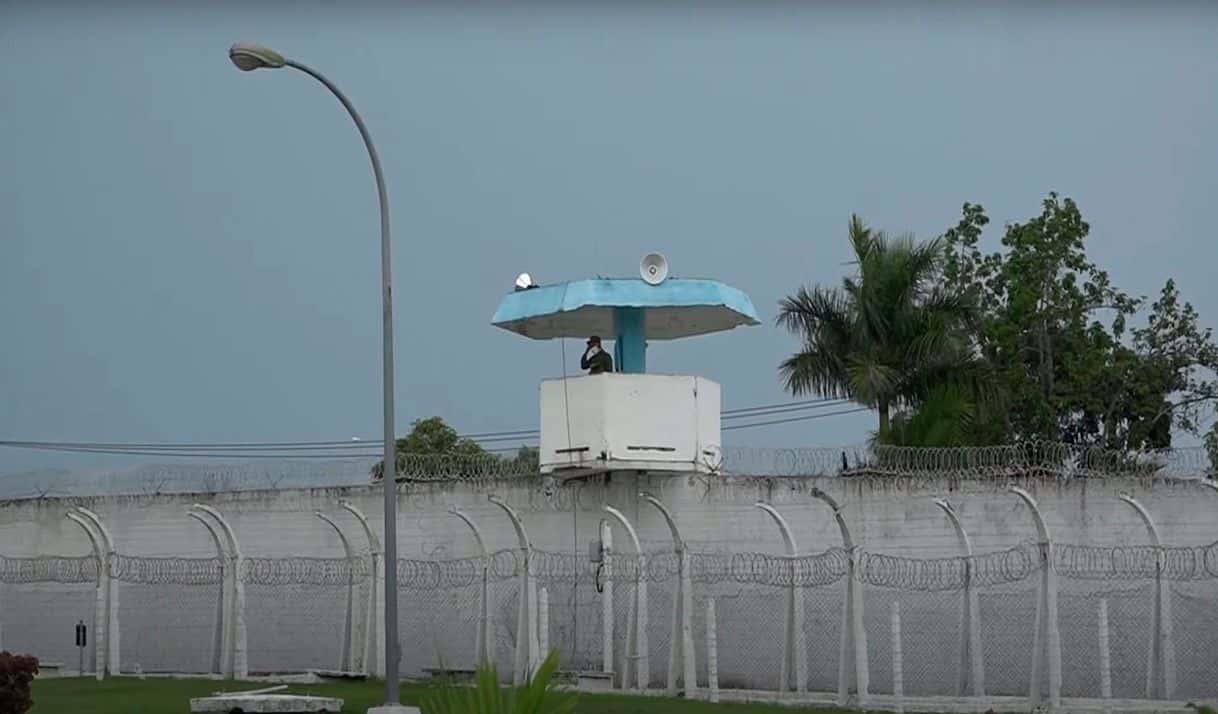
The measure represents tangible relief for the families of those sentenced in a country whose prison system is in precarious condition and faces numerous allegations of human rights violations against inmates, documented by civil society organizations such as the Centro de Documentación de Prisiones Cubanas.
Authorities stated in April 2026 that those who committed “crimes against authority” would be excluded from the benefit, a description applicable to charges such as disobedience, contempt, and assault—offenses commonly used in Cuba to prosecute people for political reasons.
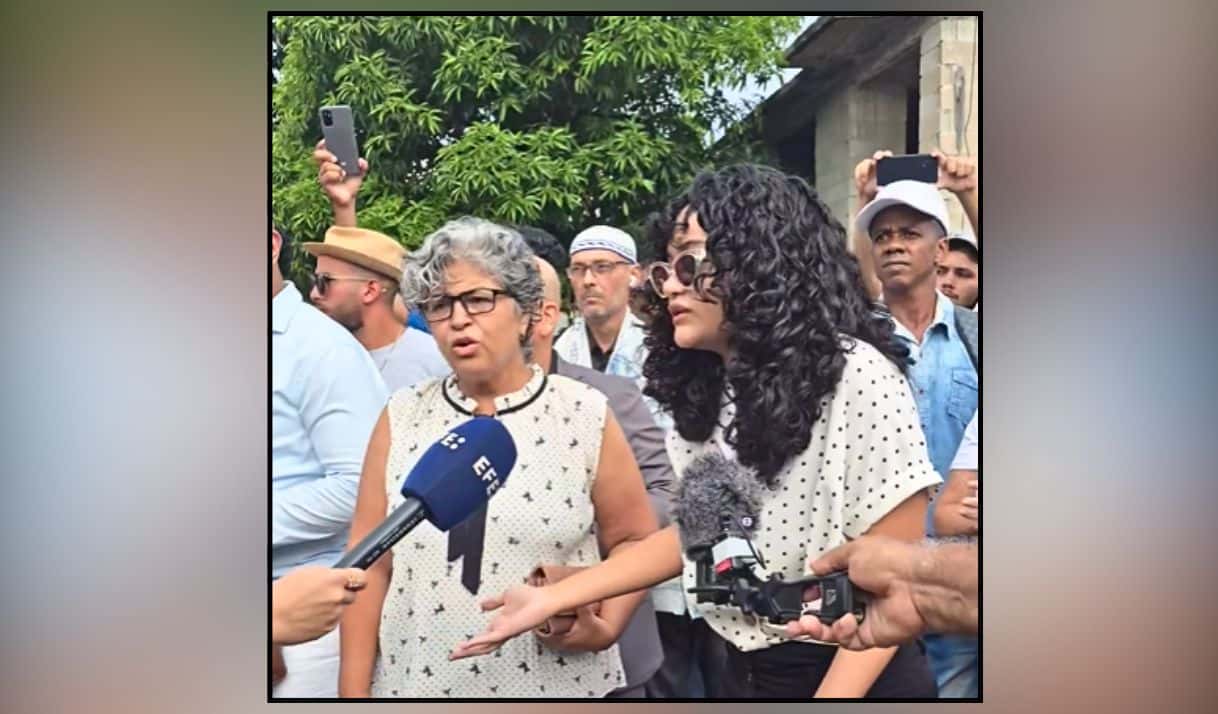
The exclusion of the overwhelming majority of those imprisoned for political motives—whose numbers are estimated at between 700 and more than 1,200 according to various NGOs—delays the demands for justice made by hundreds of Cuban families.
“The official list confirms the regime’s lack of political will to repair the harm caused, beginning with the release of political prisoners; it does not want to heed the cries of their families or listen to the demands of human rights organizations,” Yaxys Cires, Observatorio Cubano de Derechos Humanos’ strategy director, told El Toque. For the lawyer and activist, “the only real and meaningful gesture in the current situation would be the immediate release of all political prisoners.”
A pardon consists of the total or partial remission of a sentence imposed on a person convicted by a final court ruling. It does not eliminate the crime or erase the conviction, meaning the pardoned individual retains a criminal record and continues to be legally considered convicted.
At the beginning of April, some foreign media outlets viewed the announcement as a supposed sign of openness and a benefit for political prisoners amid pressure from the United States against the Havana regime.
This article was translated into English from the original in Spanish.




Comments
We moderate comments on this site. If you want to know more details, read our Privacy Policy
Your email address will not be published. Mandatory fields are marked with *
Todavía no hay comentarios.