In recent days, I have seen many people mention the Soviet perestroika when referring to the economic measures announced by the Cuban regime, warning of a possible transition toward forms of capitalism controlled by the same elites that have governed the country for decades.
The comparison is inevitable, but I believe it is worth remembering what that process was actually like and, above all, what differences exist between it and what is happening in Cuba today.
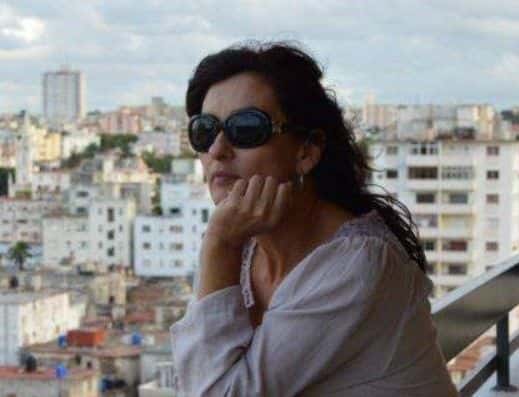
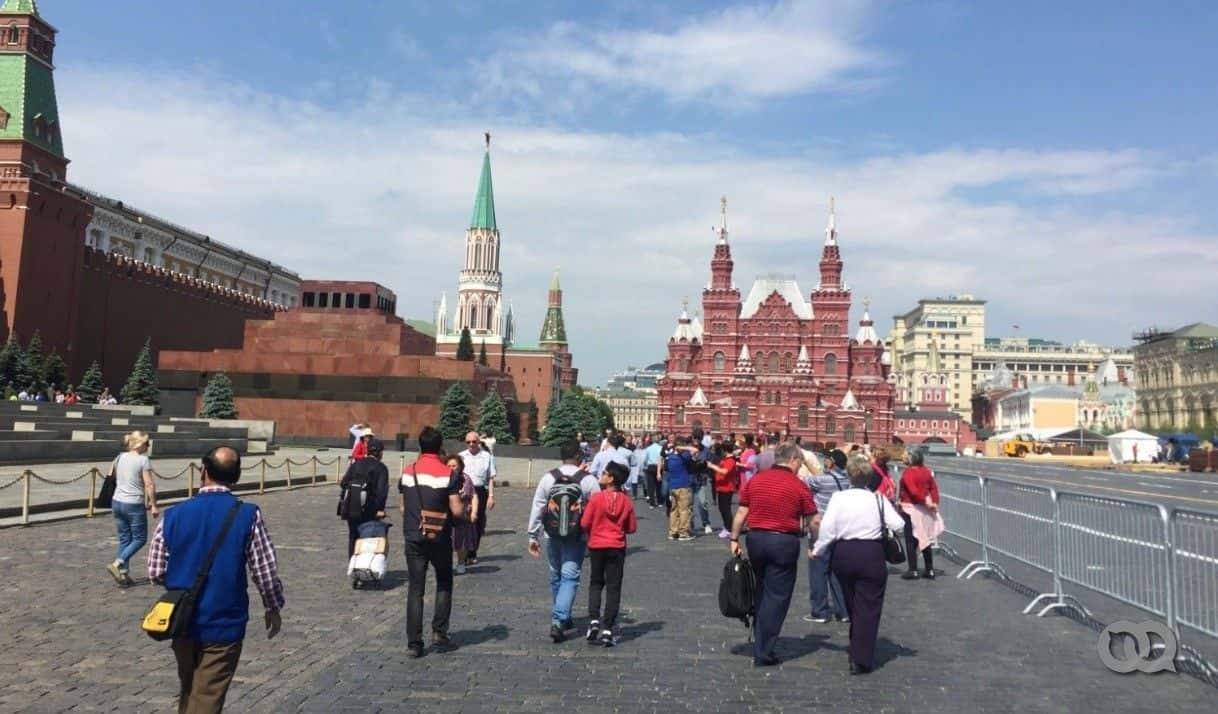
I was very young when perestroika began in the late 1980s, but I was studying in Moscow and was able to experience part of that historic moment from the inside, witnessing firsthand the excitement that something which had previously seemed immovable was beginning to change.
With all its mistakes and contradictions, in its early years perestroika was not perceived as a project of plunder or as a simple withdrawal of the state from the economy. Instead, it began accompanied by the idea that the future could be better.
When Openness Meant Hope
By the mid-1980s, the Soviet Union had become stagnant. The economy was functioning increasingly poorly, bureaucracy had become an end in itself, corruption was a reality known to everyone, and society seemed trapped in suffocating immobility.
The arrival of Mikhail Gorbachev to power in 1985 generated genuine expectations of change, beginning with glasnost (openness) and the policy known as uskorenie (acceleration).
Perestroika became the central policy of the state in 1987, but it was not conceived as a project to dismantle Soviet socialism or to privatize the economy on a massive scale. Its stated goal was to reform a system that was showing clear signs of exhaustion—to modernize it and make it function by granting greater autonomy to state enterprises and allowing the creation of cooperatives and small private businesses.
At the same time, for the first time in decades, Soviet citizens began learning aspects of their own history that had long remained hidden. The media started calling things by their proper names, speaking openly about corruption, government mistakes, Stalinist purges, the war in Afghanistan, the country’s real economic problems, and tragedies that previously would have been carefully suppressed.
Banned books were republished. Intellectuals regained spaces for debate. Censored films reached the public. Society began to breathe differently.
My memory of those years is of a time of uncertainty, yes, but also of questions, discovery, and dreams of the future. I remember open, unmasked debates among friends, students, and professors—and beyond that, on television, radio, and in political forums. For the first time, photocopied books by writers such as Mikhail Bulgakov and Aleksandr Solzhenitsyn, previously censored, came into my hands. On the big screen we were able to watch films such as Come and See, Repentance, and Little Vera, which addressed history and reality without taboos. Meanwhile, we hummed the lyrics of Viktor Tsoi’s song “Peremen” (“Changes”).
For the first time, many people felt they could express different opinions, participate in public life, or imagine a different future.
None of this guaranteed the success of the reforms. But it did create a collective sense of openness that is impossible to ignore today.
Perestroika or Post-Perestroika?
Over time, collective memory has come to associate perestroika with the collapse of the USSR, economic chaos, and the rise of an oligarchy. But in reality, the darkest aspects of the process came afterward.
Following the collapse of the Soviet Union in 1991, Boris Yeltsin’s government launched a rapid privatization program. Millions of citizens received vouchers representing a share of state assets accumulated over decades. However, economic crisis, inflation, and desperation led many to sell them for insignificant sums. Meanwhile, well-connected members of the former political and administrative elites began accumulating those assets.
Later came the privatizations known as “loans-for-shares,” through which a small group of businessmen gained control of enormous oil, mining, and metallurgical companies for a fraction of their real value. Thus, the oligarchs were born.
They did not emerge out of nowhere, nor were they outsiders to the previous system. Many came from families already known within the Kremlin hierarchy or directly from structures linked to the KGB, the Communist Party, the state apparatus, or Soviet youth organizations. Their positions changed, but they retained something essential: privileged access to power.
The result was one of the greatest transfers of public wealth into private hands in modern history.
It was not the original idea of perestroika that created this system, although it undoubtedly opened the path to the processes that eventually produced it.
Is History Repeating Itself in Cuba?
When some Cubans today speak of “Cubastroika,” they do not seem to be referring to the perestroika of glasnost, informational openness, or political reform, but rather to its outcome.
To the possibility that the same elites who have controlled the state for decades may ultimately control the principal sectors of a future privatized economy as well.
The question is not whether there are parallels between what is happening in Cuba today and what happened in the USSR—of course there are. If we examine the economic measures, some elements do recall perestroika: greater openness to non-state forms of management, acceptance of market mechanisms where central planning has proven incapable of solving basic problems, and the implicit recognition that the current economic model no longer works.
But Cuba’s current conditions are very different from those of the Soviet Union in the mid-1980s.
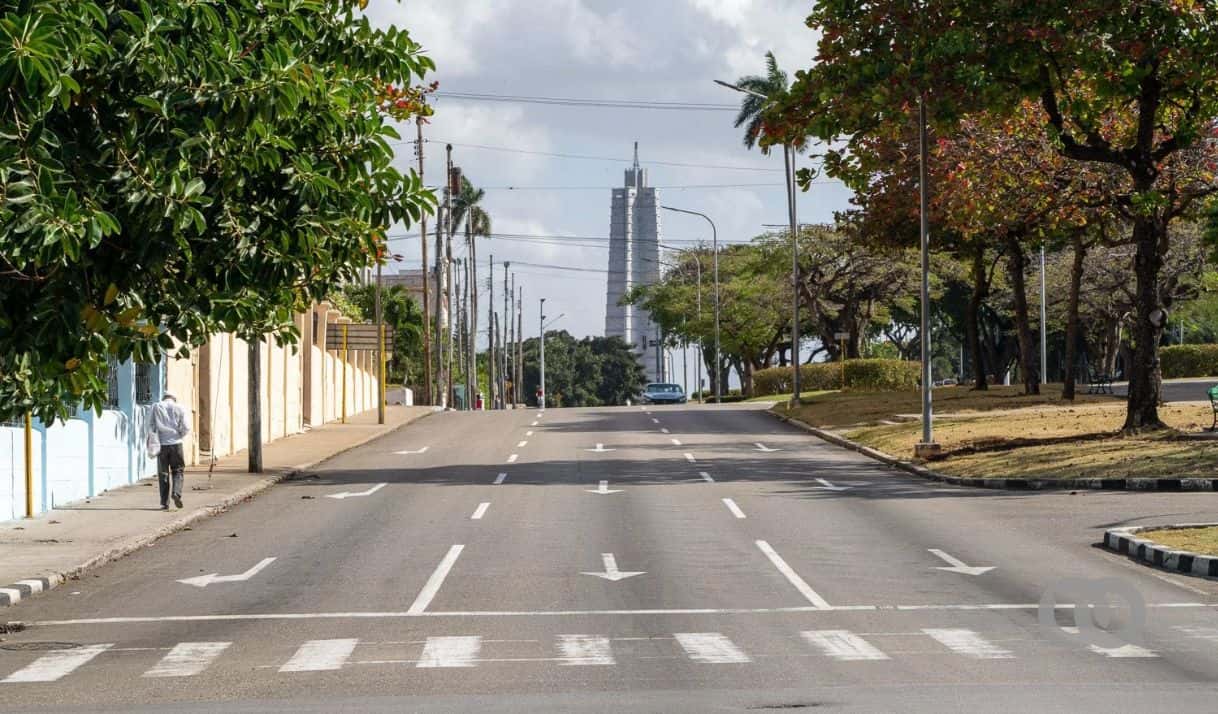
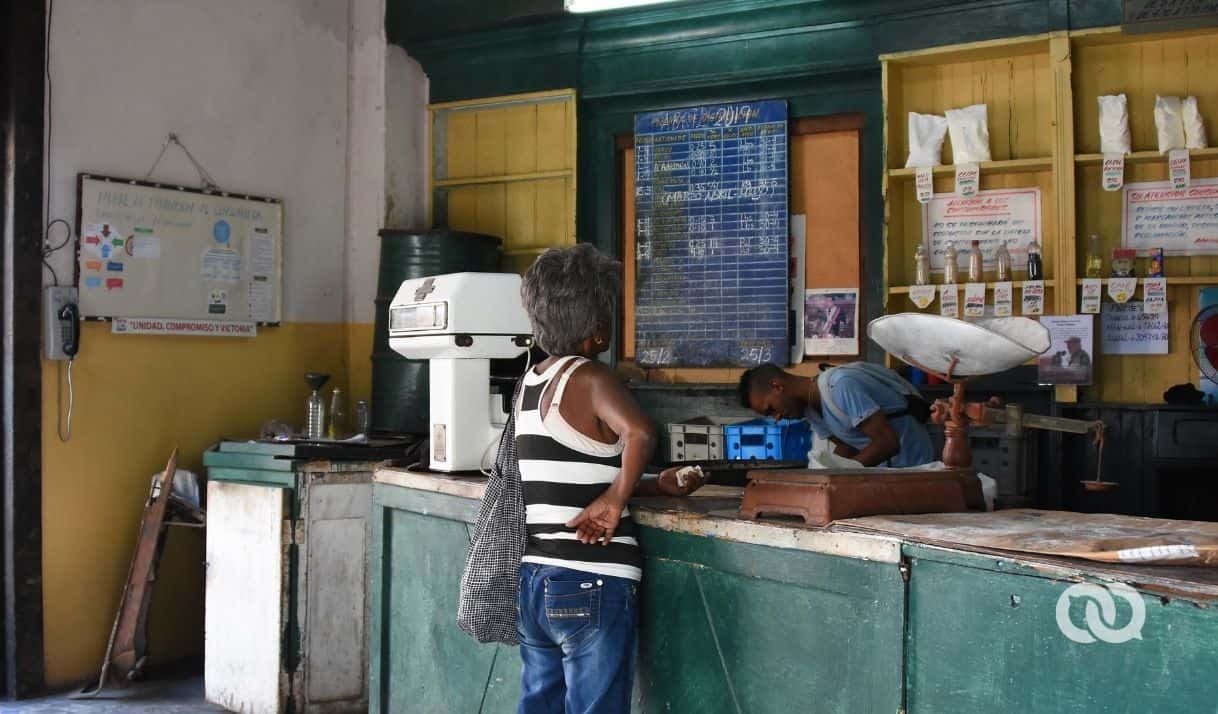
While perestroika began in a country facing enormous problems but still remaining an industrial, scientific, and military superpower, today’s Cuba confronts a far deeper crisis. Its electrical system collapses periodically, infrastructure and public services are in ruins, production has fallen to historic lows, wages have been devastated, a massive exodus is underway, millions depend on remittances, many others survive in unprecedented precariousness, and repression is intensifying.
The economic reforms that are beginning to emerge are not accompanied by a comparable political opening. They do not bring transparency, freedoms, public debate, or citizen participation.
In that context, some measures carry the risk of concentrating even more wealth and opportunity in the hands of those who already control political, military, and economic power, as if they were trying to jump directly to the final chapter of that history.
While perestroika was born, at least in part, from the idea of transforming an exhausted system, “Cubastroika” is emerging under pressure, after the country has already been devastated.
I hope I am wrong. But it is impossible not to perceive one essential difference: in the Soviet Union of the late 1980s there was fear and uncertainty, but there was also hope. In today’s Cuba, for now, I see only the first two.
This article was translated into English from the original in Spanish.



Comments
We moderate comments on this site. If you want to know more details, read our Privacy Policy
Your email address will not be published. Mandatory fields are marked with *
Anónimo
jvs