
More than 5,900 certified claims, properties that no longer exist as they once did, generations born on properties claimed by others, and a debt that—with interest—now exceeds US $9 billion according to Bloomberg estimates. That is the scale of the problem. How do you resolve something like that?
The short answer is that there is no magic formula. But there is a body of available literature with concrete proposals, built on precedents from Vietnam, Germany, Bulgaria, Nicaragua, and the Soviet Union. Economist Richard Feinberg, a senior fellow at the Brookings Institution, systematized the most comprehensive of these proposals in 2015.
Following the triumph of the Cuban Revolution, the government nationalized properties belonging to US citizens and companies between 1959 and 1961. In 1964, the US Congress authorized the Foreign Claims Settlement Commission to certify those losses. Seven years later, the Commission had reviewed more than 8,800 claims and certified nearly 6,000 as legitimate, with a total value of $1.9 billion. You can view them all here.
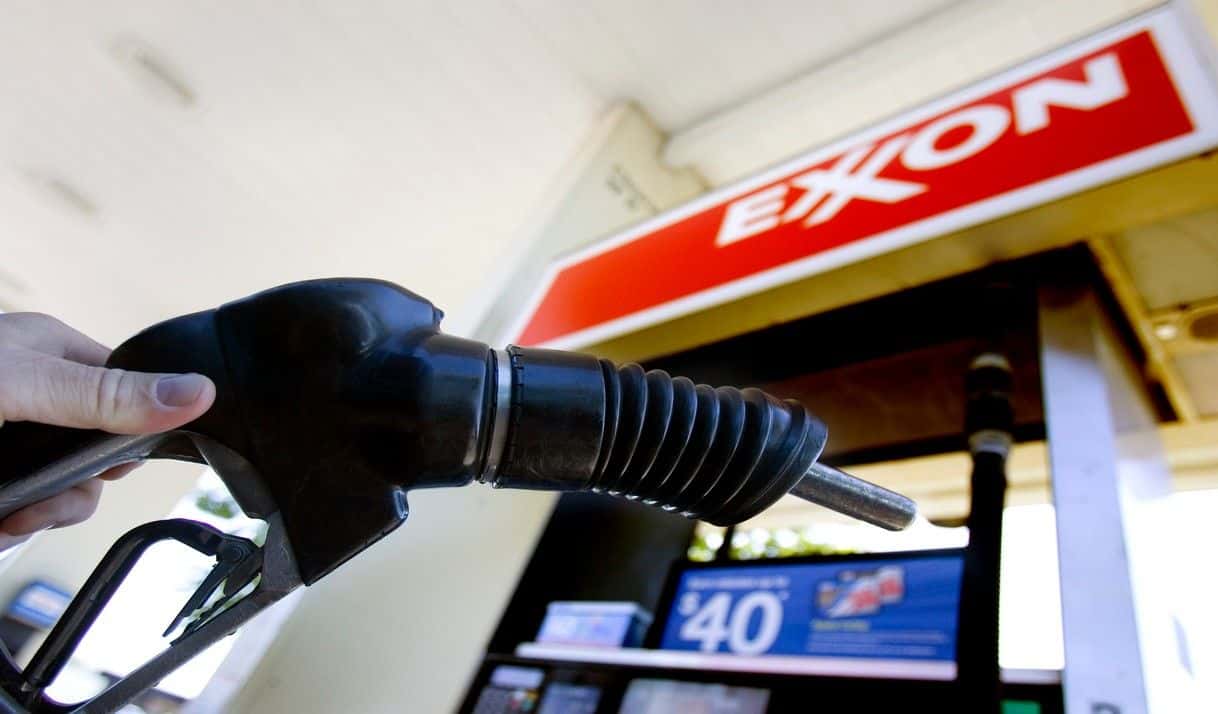
The ten largest claims total nearly $960 million equaling half the overall amount. These include the Cuban Electric Company (now part of OfficeMax), five sugar companies, and well-known firms such as ITT, Exxon, and Starwood Hotels. The rest of the list includes Texaco, Coca-Cola, Colgate-Palmolive, Woolworth, IBM, General Electric, GM, Sears, Goodyear, Procter & Gamble, and Citibank.
With the 6% annual simple interest that the Settlement Commission typically assigns from the date of each loss, the total debt would now exceed $9 billion. Using US Treasury bill rates—an alternative benchmark—the accumulated interest since 1960 would still reach about $5.1 billion. Cuba cannot pay that under any realistic scenario, and historical precedents are on its side: in most global settlement agreements signed by the United States with other countries, interest was either partially paid or not paid at all.
What is crucial, Feinberg notes, is that 85% of the claims—more than 5,000—belong to individual citizens and together amount to just $229 million. In other words, the majority of those affected in number are individuals who lost relatively small properties. The bulk of the money at stake corresponds to corporations.
Experience from other countries offer useful references. In Eastern Europe, after the fall of the socialist bloc, compensation processes combined partial payments, bonds, and privatization programs in which state-owned properties were transferred as payment or restitution for confiscated assets.
The Roosevelt-Litvinov Agreement of 1933 normalized relations between the United States and the Soviet Union, including an understanding on claims; normalization with Vietnam in 1995 became possible after Hanoi waived its war reparations demands and used its frozen assets in the United States to pay 100% of the principal and 80% of the interest to US claimants who had lost property in Vietnam.
How It Works and How Much Cuba Could Pay
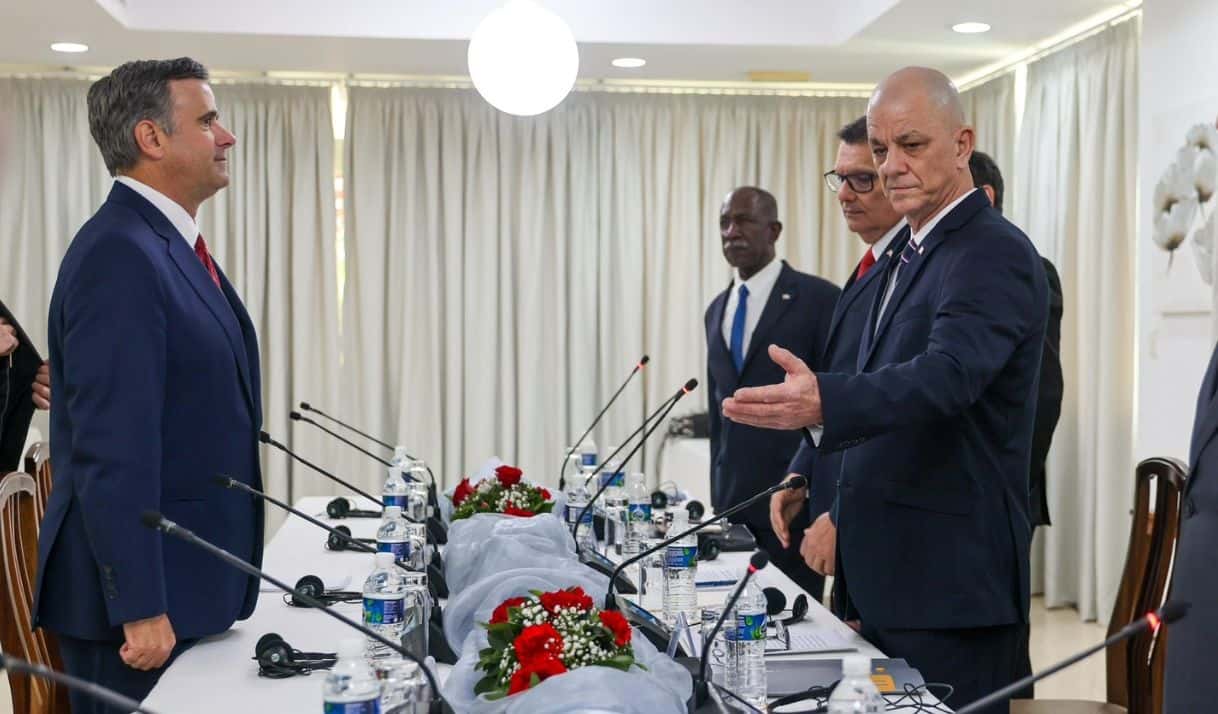
The mechanism Havana put on the table this week, in statements by Deputy Foreign Minister Carlos Fernandez de Cossío, is exactly the one the Settlement Commission designed from the beginning for this case: a lump-sum settlement. The two governments negotiate a total amount; Cuba transfers it to the US Treasury, which then distributes it proportionally among the claimants.
According to Fernandez de Cossío, Cuba has already done this with other countries. It signed agreements of this kind with Canada (1980), the United Kingdom (1978), France (1967), Spain (1967), and Switzerland (1967). However, can Cuba pay now, amid an imminent systemic collapse in all its dimensions?
Economist Richard Feinberg calculated a baseline scenario in 2015: if Cuba were to pay the full principal without interest over ten years, that would amount to $190 million annually—about 3.4% of its merchandise exports and 0.2% of GDP at that time. With the economic growth expected following an agreement with the United States, that burden would progressively decline. “It is not correct to say that Cuba is too poor to handle these payments if they are spread over a reasonable period and interest is excluded,” Feinberg concluded.
Individual claims total $229 million. If a cap of $1 million per claimant is set—which would affect only 39 of the 5,014 cases—the total cost drops to $171 million. Spread over ten years, that is less than $18 million annually. With a single agreement of this type, more than 85% of all cases would be definitively closed.
The 899 corporations that account for 88% of the disputed value are another matter. Feinberg proposes giving them a choice between two paths: join the global settlement—with the proportional discount resulting from negotiations—or “opt out” and negotiate directly with Cuba through alternative instruments. This solution, however, has a major difficulty: the Cuban regime’s serious credibility problems with its creditors since the nationalizations of 1959–1961 make it extremely difficult to trust that it would honor individual payment agreements.
Possible Sources for a Compensation Fund
According to Feinberg, the Cuban government could make gradual payments financed by export revenues. With the embargo lifted, economic growth would be expected, making such payments more manageable than under current conditions.
Modest taxes on incoming tourists could also help. A $50 tax per visitor could generate between $50 million and $100 million annually. The logic behind this measure is that tourists benefit from the normalization made possible by the compensation agreement.
Among other options, Feinberg suggests that Cuba’s reintegration into international financial institutions, such as the International Monetary Fund and the World Bank, could facilitate access to credit that would help finance the agreement.
However, the problem, once again, would be the same: a regime that has not transformed its political model is not a credible payer.
This article was translated into English from the original in Spanish.





Comments
We moderate comments on this site. If you want to know more details, read our Privacy Policy
Your email address will not be published. Mandatory fields are marked with *
Alex G
Juan
Crispín Gattorno
Ernesto Ferrer Barrera
Guido con con cojones
Marcel
Anónimo
Yolo