
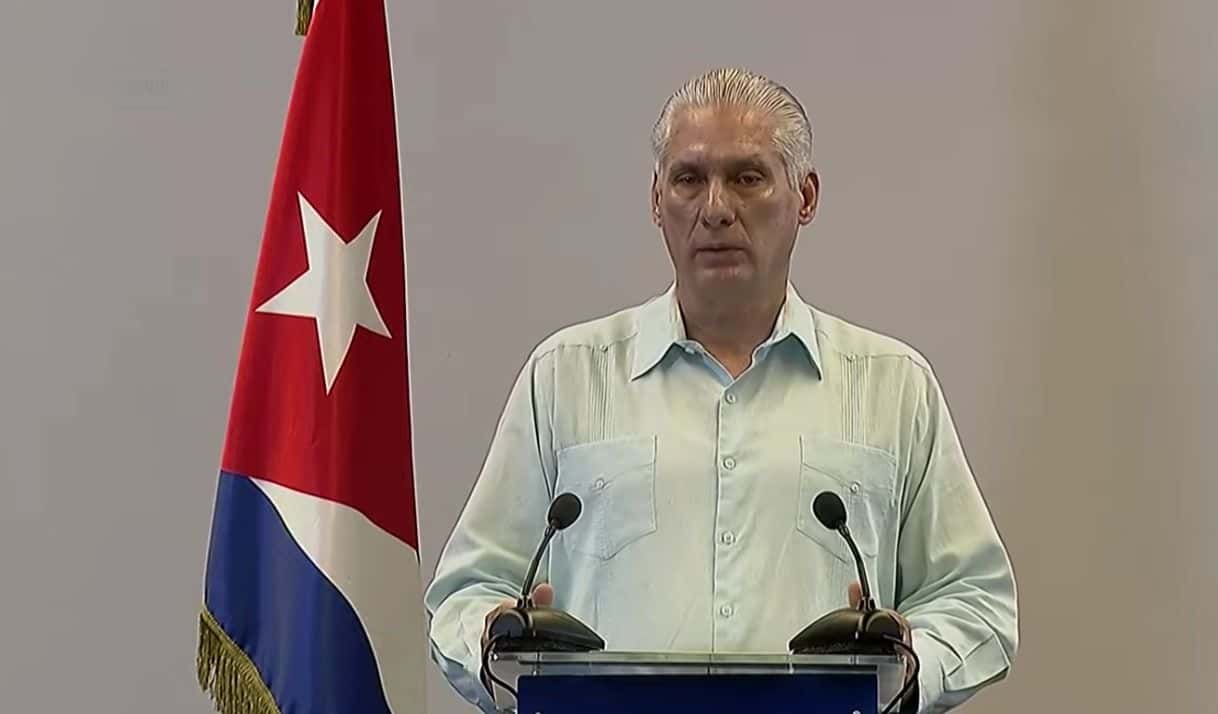
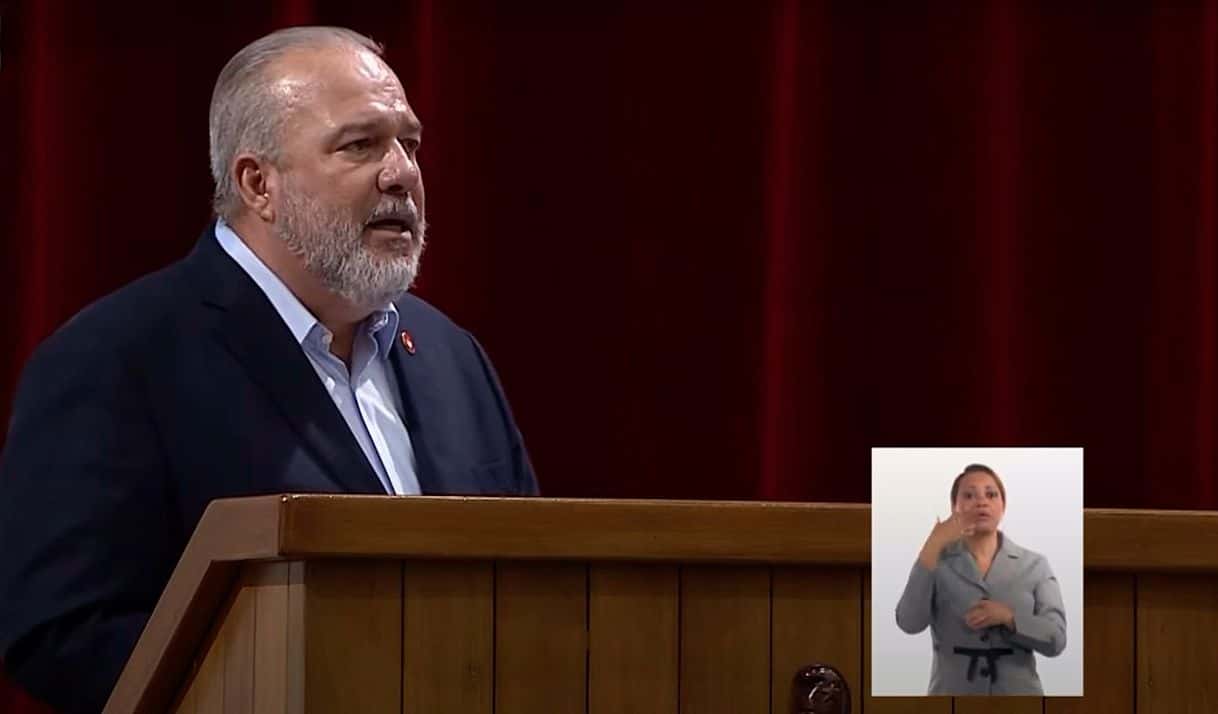
Cuba’s appointed president, Miguel Diaz-Canel, confirmed at a meeting of the Central Committee of the Communist Party held on March 12, and again in an address to the nation on the morning of March 13th, that recently Cuban officials have been holding conversations with representatives of the United States government.
According to Díaz-Canel, those contacts — which US President Donald Trump had mentioned on several occasions, but which Havana had repeatedly denied — “have been aimed at seeking solutions, through dialogue, to the bilateral differences that exist between the two countries.”
The Cuban leader also stated that certain international intermediaries had favored these exchanges, whose objective would be “to identify the bilateral problems that require solutions” and to explore possible ways to resolve them. However, in none of his remarks on the subject did he specify which issues might be on the negotiating table.
He also explained that the conversations are intended to “evaluate the willingness of both sides to carry out actions for the benefit of the peoples of both countries,” as well as to “identify areas of cooperation to confront common threats and guarantee security and peace” for Cuba and the United States, as well as for the Latin American and Caribbean region.
Finally, Diaz-Canel reiterated that “it has not been and is not the practice of the Cuban Revolution to respond to speculative campaigns about these kinds of matters,” an apparent reference to reports circulated by US media and independent Cuban outlets about alleged contacts between US Secretary of State Marco Rubio and Raul Guillermo Rodriguez Castro — the grandson and chief of security for Raul Castro. Rodriguez Castro made a rare appearance on television during the meeting held at the Central Committee of the Communist Party. The bodyguard was also seen at today’s press conference.
On the night of March 12, the Cuban government announced the release of 51 prisoners who “have served a significant portion of their sentences and have maintained good behavior in prison.” However, the statement does not directly refer to the more than 1,000 political prisoners who, human rights organizations remind us, remain incarcerated on the island. Diaz-Canel asserted that the decision was sovereign and not conditioned by any negotiation.
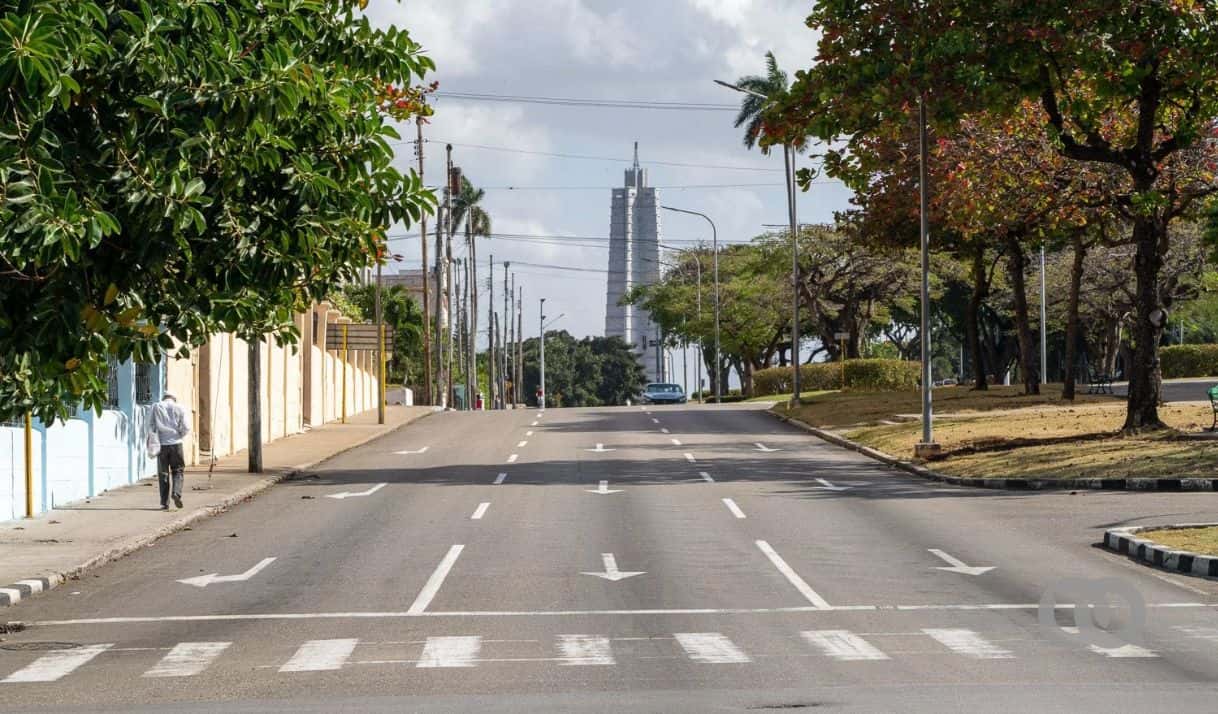
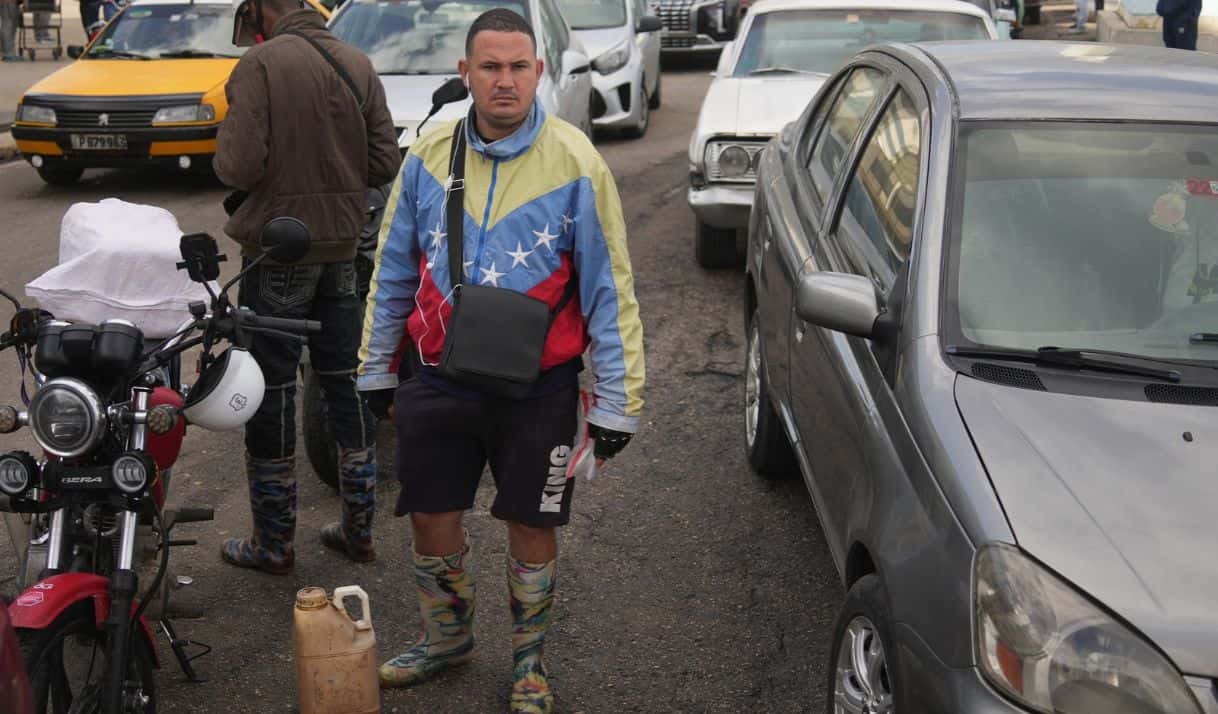
Exactly 43 days have passed since the administration of US President Donald Trump declared a national emergency related to Cuba, a measure that has limited the supply of fuel the country had been receiving from its allies. Since then, everyday life on the island — already marked by scarcity — has deteriorated even further, worsening an energy and economic crisis reflected in long blackouts and difficulties in transportation and production.
That economic pressure appears to be part of Washington’s strategy. According to various reports, the plan is being pushed by Trump along with his Secretary of State, Marco Rubio, who has allegedly been leading contacts for weeks with figures close to power in Havana, including members of the Castro family’s inner circle.
Despite speaking for several minutes about the energy situation, the appointed president did not comment on when fuel would arrive in the country or whether that issue was part of the conversations with the United States. Instead, he devoted time to explaining random details about the state of batteries in solar parks, electric cars, or the distribution of solar panels to selected state workers.
At the press conference broadcast to the nation, it was mentioned that on Monday, March 16, 2026, measures will be announced that would aim to ease bureaucratic procedures for Cuban emigrants, especially for those who wish to participate in the country’s economic life.
This article was translated into English from the original in Spanish.



Comments
We moderate comments on this site. If you want to know more details, read our Privacy Policy
Your email address will not be published. Mandatory fields are marked with *
Fidel Castro