Canadian mining company Sherritt International announced this Thursday, May 7, 2026, the immediate suspension of its direct participation in the joint ventures operating in Cuba, amid the new sanctions offensive driven by the Trump Administration. The company also confirmed the immediate resignation of three members of its board of directors — Brian Imrie, Richard Moat, and Brett Richards — following the signing of a US Executive Order issued on May 1 that expands restrictions against businesses linked to Cuba.
Although Sherritt has not yet been formally included on Washington’s list of sanctioned entities, the company acknowledged that the new scenario makes it “materially impossible” to operate normally. The corporation reported that it has begun the process of repatriating its employees in Cuba and requested that its Cuban partners do the same with personnel stationed in Canada. The decision marks one of the most severe business blows suffered by Havana in recent years within the strategic nickel and cobalt sector.
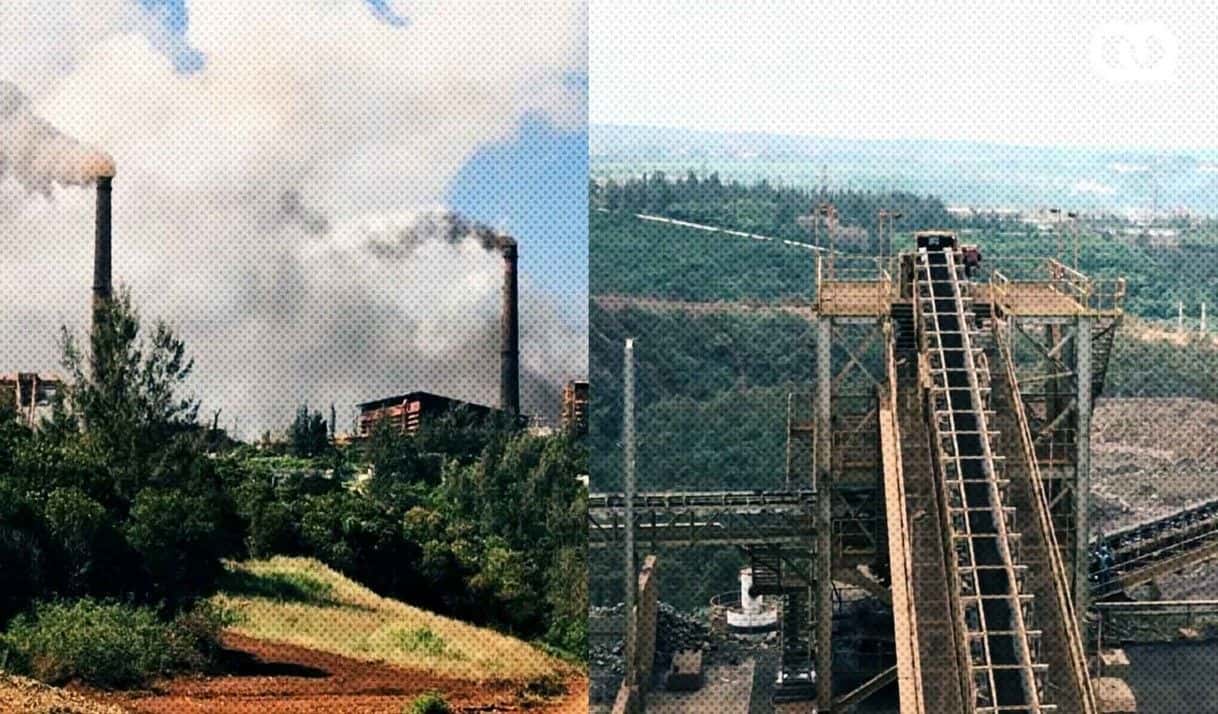
The company maintained key operations in Moa, Holguin, through the joint venture Moa Nickel S.A., considered one of the Cuban regime’s main sources of foreign currency. However, for years Sherritt had been warning about the growing financial and operational risks of working on the island. In May 2025, the company reported losses of 40.6 million dollars in the first quarter and directly pointed to Cuba’s economic crisis as one of the central causes of the downturn.
The deterioration of the island’s electrical system has been another determining factor. Nickel production in 2024 reached only 83.3% of the planned target due to constant blackouts, fuel shortages, and industrial problems. According to the company’s financial reports, the power outages reduced the operating capacity of the plants and also affected cobalt extraction, a mineral Cuba uses to pay part of its debt to the Canadian company.
Havana also maintains a heavy debt with Sherritt. The Cuban Government acknowledged debts of 150 million dollars in 2019, a figure that later climbed to around 344 million dollars by the close of the second quarter of 2025. Due to the lack of liquidity, both parties agreed in 2023 on a payment mechanism based on cobalt deliveries. However, the decline in energy and mining production caused partial breaches of the agreement during 2024, further worsening financial tensions between the two partners.
The crisis has also reached the energy sector. Sherritt participates in Cuba through Energás, a joint venture responsible for generating electricity through gas-fired plants. However, the overuse of these facilities to sustain the collapsed National Electric System significantly reduced their performance. At the same time, citizen complaints increased over pollution and gas leaks in areas such as Santa Cruz del Norte, amid the general deterioration of Cuba’s energy infrastructure.
Despite the withdrawal announced this Thursday, Sherritt stated that its refinery in Fort Saskatchewan, Alberta, Canada, continues operating normally and producing refined nickel and cobalt for the North American market. The company indicated that it has sufficient raw material inventory through mid-June, although it admitted that future financial or commercial restrictions stemming from the sanctions could also affect that supply chain.
For decades, the Canadian mining company was one of the Cuban State’s most important foreign partners. Now, under pressure from Washington and amid the island’s worsening internal economic deterioration, that alliance has entered its most critical moment.
This article was translated into English from the original in Spanish.



Comments
We moderate comments on this site. If you want to know more details, read our Privacy Policy
Your email address will not be published. Mandatory fields are marked with *
Anónimo