
Autor

César Eduardo Santos
Filósofo. Investigador en GAPAC. Especializado en el estudio del iliberalismo y la influencia autoritaria de China en América Latina.
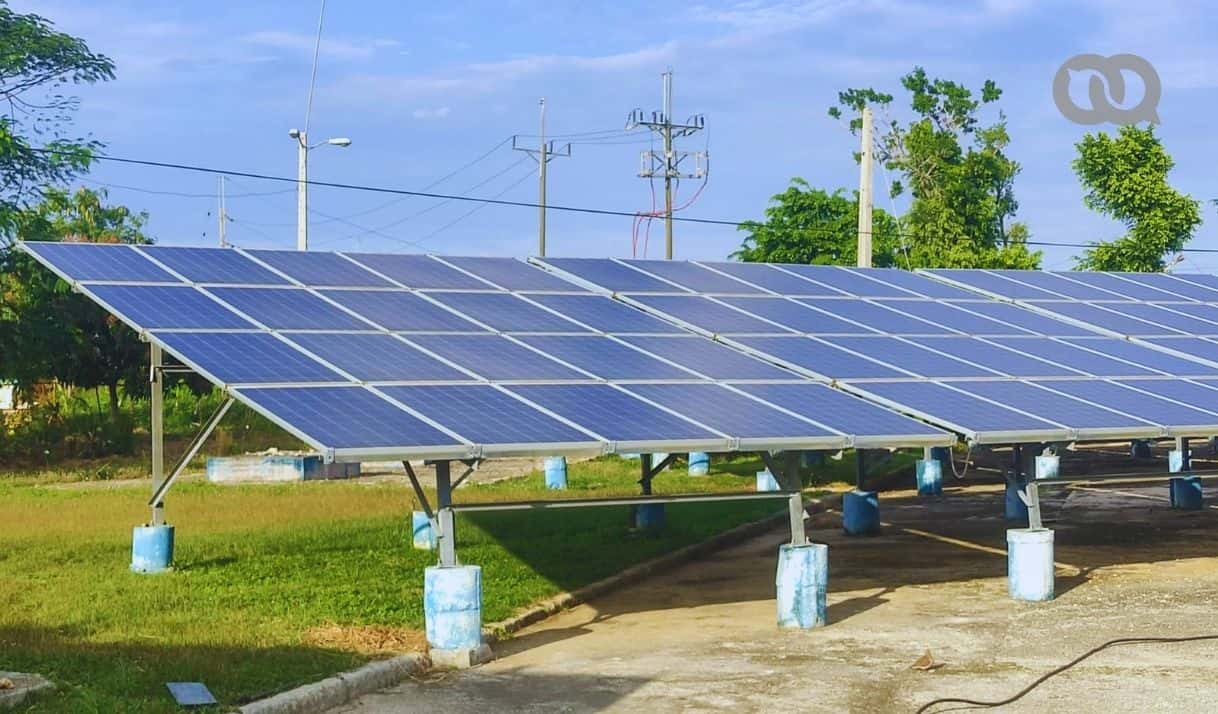
In this sense, Cuba’s so-called “solar revolution” probably says less about the successful transformation of the island’s economic model than about China’s growing ability to instrumentalize the global energy transition as a mechanism for geopolitical and technological expansion, while simultaneously consolidating forms of authoritarian cooperation that contribute to the mutual resilience of both regimes.

Claiming that the People’s Republic of China and Cuba are not so different may seem, at first glance, like a misleading assertion. In fact, it almost sounds contradictory when one considers the levels of development and economic growth both countries have reached over the past century.
Autores

César Eduardo Santos
Filósofo. Investigador en GAPAC. Especializado en el estudio del iliberalismo y la influencia autoritaria de China en América Latina.
In this sense, Cuba’s so-called “solar revolution” probably says less about the successful transformation of the island’s economic model than about China’s growing ability to instrumentalize the global energy transition as a mechanism for geopolitical and technological expansion, while simultaneously consolidating forms of authoritarian cooperation that contribute to the mutual resilience of both regimes.
Claiming that the People’s Republic of China and Cuba are not so different may seem, at first glance, like a misleading assertion. In fact, it almost sounds contradictory when one considers the levels of development and economic growth both countries have reached over the past century.

