
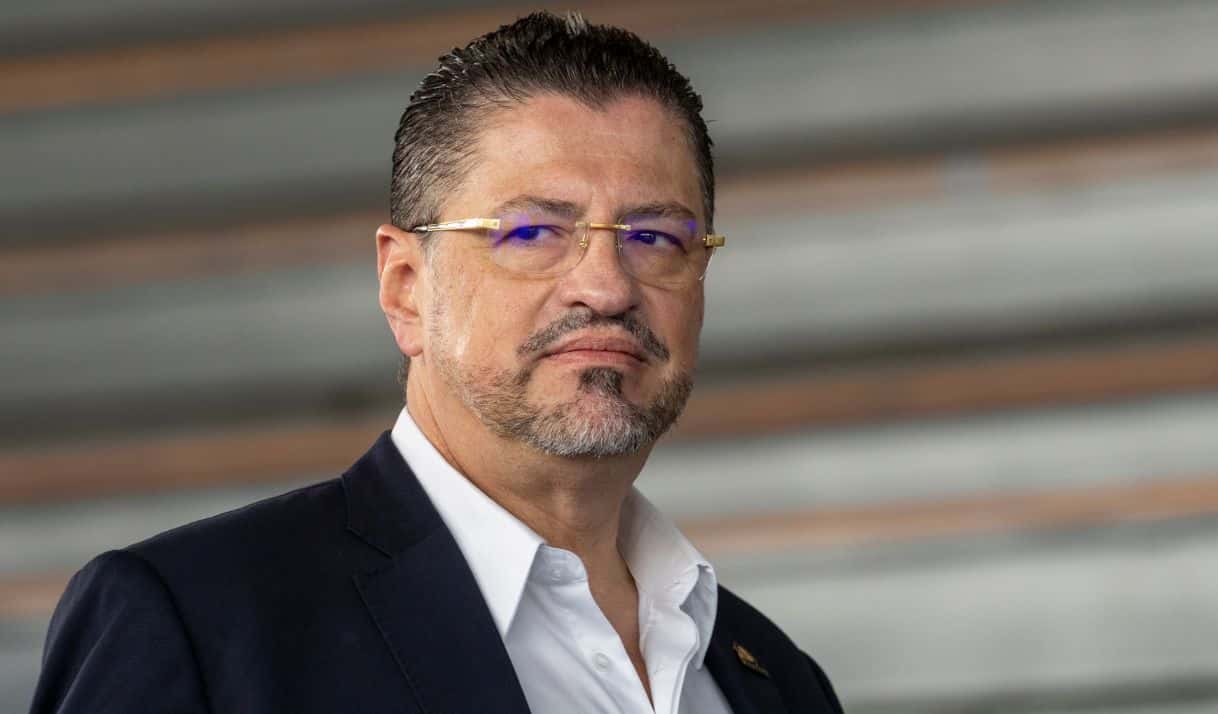
The Government of Costa Rica announced the closure of its Embassy in Cuba, a decision that, according to Costa Rican Foreign Minister Arnoldo Andre Tinoco, responds to the sustained deterioration of the human rights situation on the island.
The measure also includes requesting that Cuba’s Foreign Ministry withdraw diplomatic personnel accredited in San Jose, leaving only consular representation to attend to citizens.
“The decision is taken in light of the country’s deep concern over the continuous worsening of human rights in Cuba, as well as the increase in acts of repression against citizens, activists, and opposition members,” Andre stated.
The foreign minister emphasized that in recent months there has been an intensification of restrictions on fundamental freedoms such as expression, association, and peaceful assembly. He added that reports from international organizations and testimonies from civil society point to the persistence of harassment and pressure against voices critical of the Cuban government.
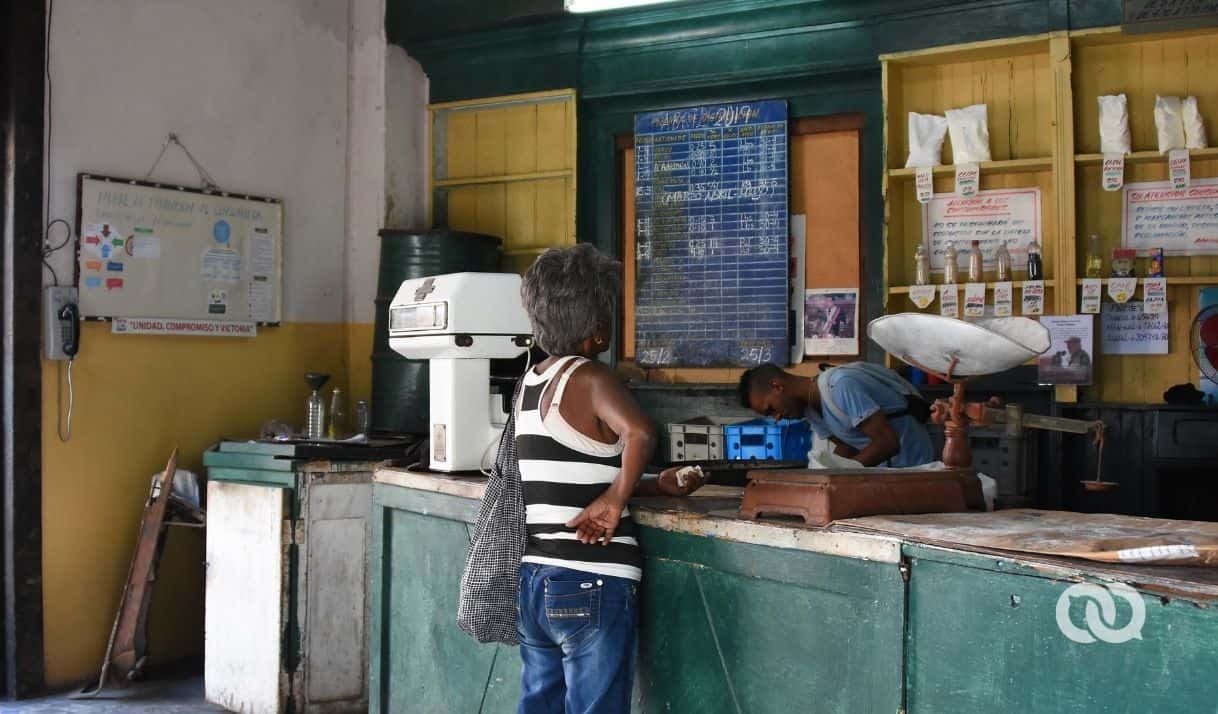
He said the situation is further compounded by the deterioration of living conditions for the population, marked by shortages of essential goods, difficulties in accessing food, medicine, and basic services, as well as limited economic opportunities.
André said it was “practically impossible” to appoint Costa Rican diplomatic personnel who could adequately perform their duties in Havana. In fact, Costa Rica’s Embassy in the Cuban capital has been without diplomatic staff since February 5, 2026.
According to the government, the closure of the diplomatic mission seeks to send a strong signal of concern and to encourage changes that would allow for the full restoration of bilateral relations in the future.
André specified that these actions fall within international practices that regulate relations between states.
The move comes amid a regional context of growing diplomatic tension regarding Cuba. This would be the second time in less than a month that a Cuban diplomatic corps has been expelled or asked to leave a Latin American country. On March 4, 2026, the Government of Ecuador decided to expel the Cuban diplomatic mission from its territory. According to Ecuador’s official version, the reason was the island’s interference in the country’s internal affairs.
The Costa Rican executive branch assured that it will continue to closely monitor developments in Cuba. President Rodrigo Chaves indicated that president-elect Laura Fernandez Delgado was consulted about the measure and expressed full support.
During Chaves’s administration, relations between his government and Cuba have deteriorated: in 2022 he suspended the educational agreement with Cuba’s Ministry of Education, and in 2025 he supported—through his foreign minister—the complaints filed before the United Nations regarding human rights violations on the island.
Without resorting to openly ideological rhetoric, Chaves aligned Costa Rica with the group of Latin American countries critical of Havana, alongside others such as Uruguay and the Dominican Republic.
Hours after Costa Rica’s government decision became known, Cuba’s Foreign Ministry issued a “forceful” statement of rejection through its official channels, as it usually does. According to the Ministry of Foreign Affairs, Rodrigo Chaves made the decision arbitrarily and “under pressure from the United States,” without considering “national interests.” It added: “With this step, the Costa Rican government (…) once again joins the offensive of the US government in its renewed attempts” to isolate Cuba.
This article was translated into English from the original in Spanish.





Comments
We moderate comments on this site. If you want to know more details, read our Privacy Policy
Your email address will not be published. Mandatory fields are marked with *
Todavía no hay comentarios.