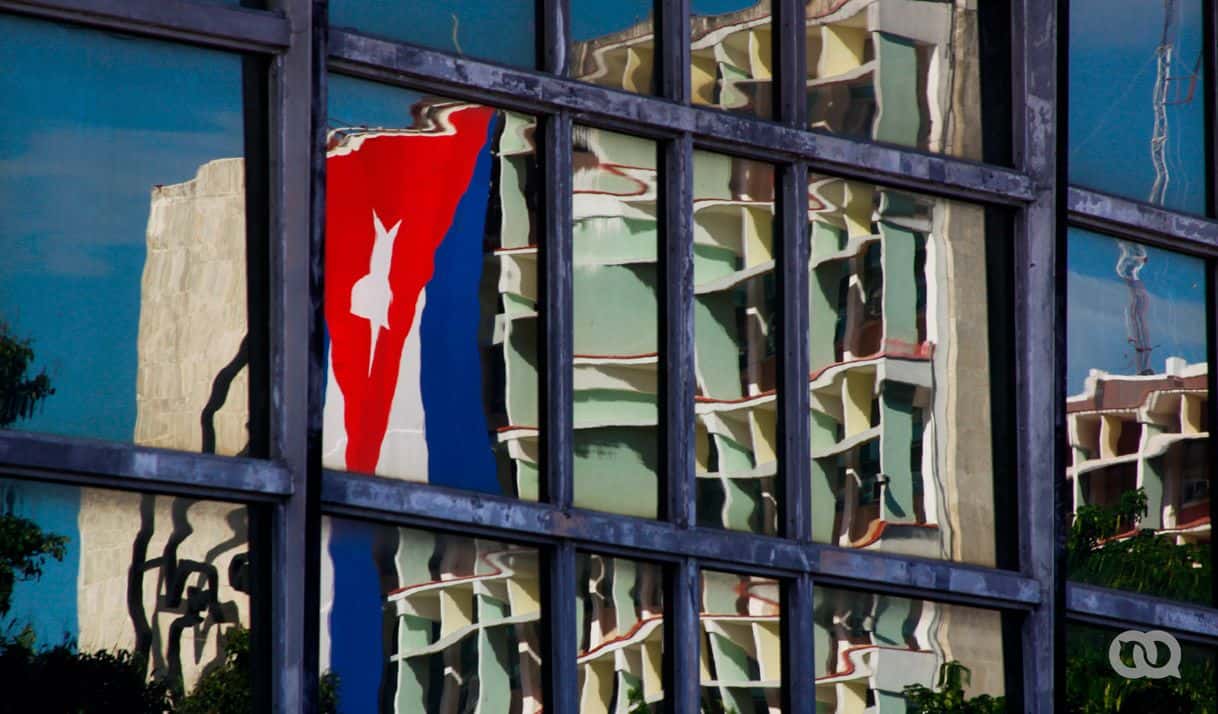
On the evening of Holy Thursday, April 2, 2026, the Cuban government once again announced that it will release people deprived of their liberty. On this occasion, it stated that 2,010 prisoners would be freed as a “humanitarian and sovereign gesture” and “in the context of the religious celebrations of Holy Week.”
It assured that the decision regarding those pardoned came after a “careful analysis of the nature of the offenses committed, their good behavior in prison, having served a significant portion of their sentence, and their health status.” For that reason, among those to be released are individuals who “are reaching the end of early release in the last semester and the coming year, as well as foreigners and Cuban citizens residing abroad.”
Among the prisoners the State said it will not release those who committed “crimes against authority”, which political prisoners are routinely charged with. The government denies holding any political prisoners. The non-governmental organization Prisoners Defenders registers over 1,200.
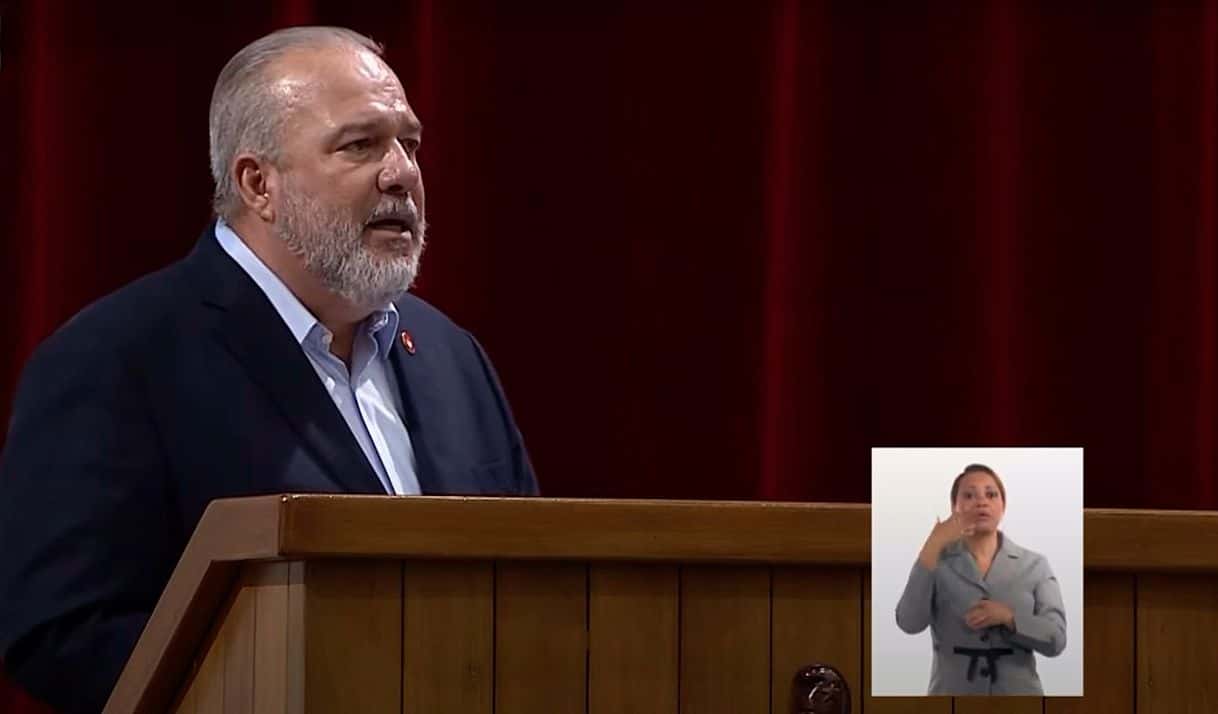
On March 12, 2026, less than a month earlier, the Havana regime had announced the release of 51 people, just one day before ruler Miguel Díaz-Canel publicly stated that it was true his government was holding talks with the Trump administration, amid growing tensions between the two countries.
Once again, the island’s government has not published the list of individuals who will benefit, making it impossible to verify if any are political prisoners or whether a strict process with guarantees and transparency will be followed. Compared to the two previous releases, this one includes the largest number of people.
This article was translated into English from the original in Spanish.




Comments
We moderate comments on this site. If you want to know more details, read our Privacy Policy
Your email address will not be published. Mandatory fields are marked with *
Todavía no hay comentarios.