
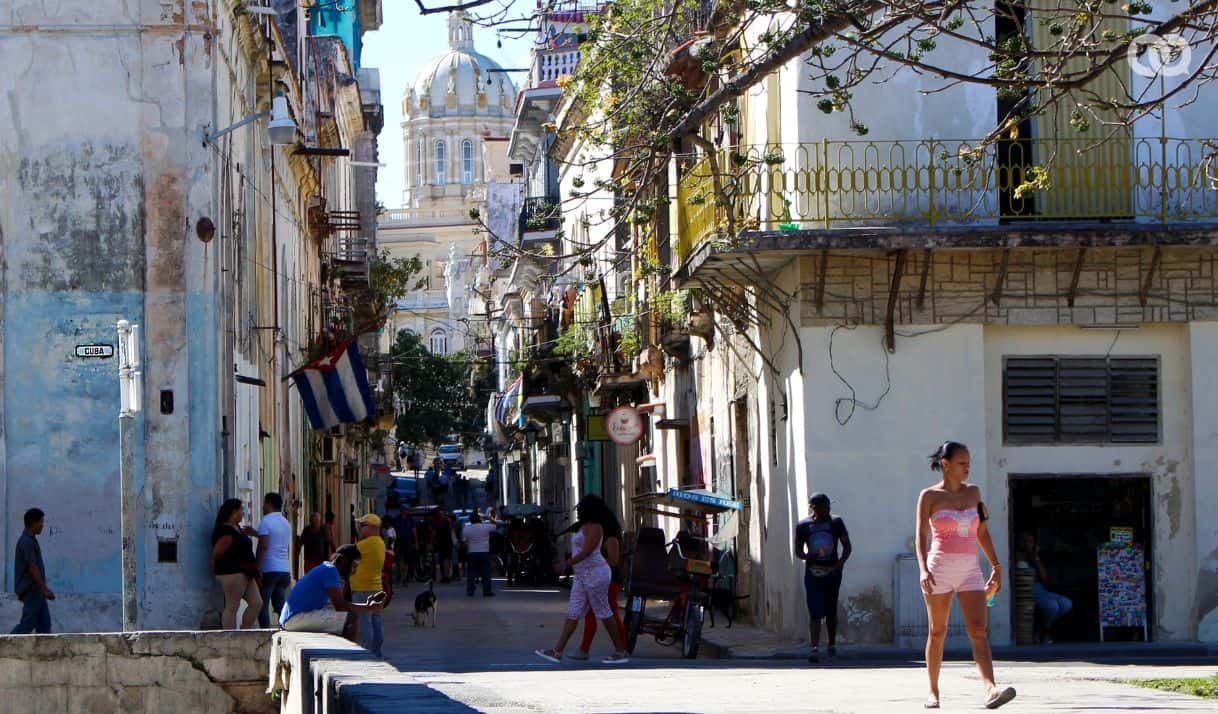
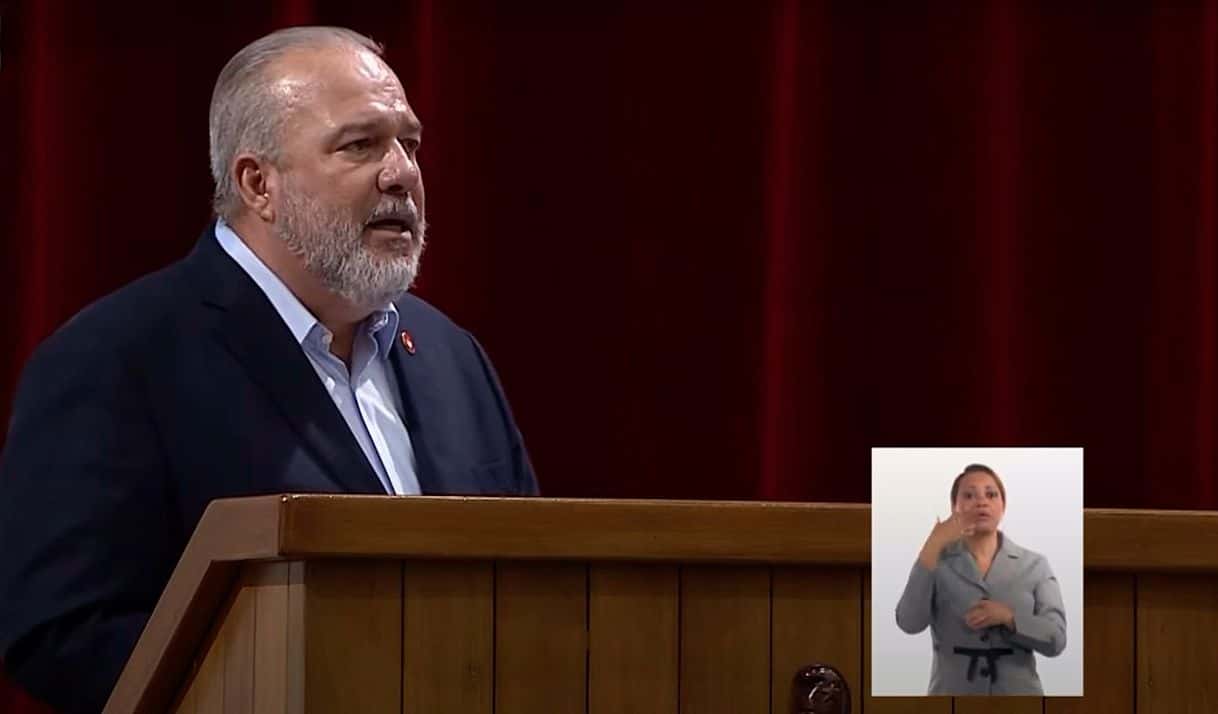
Oscar Perez-Oliva, deputy prime minister and minister of Foreign Trade and Foreign Investment, announced on the March 16, 2026 broadcast of the program Mesa Redonda that Cubans living abroad will be able to partner with private businesses on the island through different business arrangements and establish alliances with both state and private entities.
The so-called economic “czar” of the communist island explained that these partnerships would not be limited to small businesses. According to the official, they could also include larger-scale projects, including infrastructure and other major business initiatives.
Perez-Oliva added that the new measures also contemplate the participation of Cubans abroad in the country’s financial-banking system. He stated that those living outside Cuba will be able to open foreign-currency bank accounts in Cuban banks, as part of what the official narrative describes as an opening to business and financial operations from the diaspora.
The deputy prime minister, a grand-nephew of Fidel and Raul Castro, also indicated that there are plans to grant land in usufruct for the development of productive projects, with the aim of channeling investments and experience from the diaspora into the agricultural sector and other related areas.
According to the official, these measures seek to expand sources of financing, stimulate the economy, and strengthen ties with the Cuban community abroad, in a context in which—he noted—opportunities for trade with US companies continue to be constrained by US sanctions.
Hours before the news was announced on Mesa Redonda, the US television network NBC News published an interview with Perez-Oliva in which the minister also revealed that the Cuban regime will allow its citizens abroad to invest in the private sector.
These statements come just three days after Havana acknowledged having initiated a dialogue with Washington, something it had denied for weeks.
According to the official, the measures go “beyond the commercial sphere” and include “large investments, especially in infrastructure” in sectors considered priorities such as tourism, mining, and energy.
“Cuba is open to having a fluid commercial relationship with US companies” and “also with Cubans residing in the United States and their descendants,” Perez-Oliva said during the interview in Havana.
Under current legislation, Cubans living abroad cannot be partners in a micro, small, or medium-sized enterprises (MSME), although they can participate in foreign and joint ventures.
Lawyer and political analyst Eloy Viera Cañive, director of elTOQUE Jurídico, analyzed in his regular program Ahora Qué the announcement previously made by Cuban leader Miguel Diaz-Canel during a press conference broadcast on March 13, in which he previewed new measures to “reach out to Cuban emigrants.”
According to Viera, at first glance the announcement could be interpreted as an attempt to normalize relations between the Cuban government and the millions of citizens living outside the island. However, when viewed in context, a contradiction emerges: about two years ago, the regime approved new Migration and Citizenship laws that included several long-standing demands of the diaspora, but which have not yet entered into force. For the jurist, these provisions remain in a kind of limbo, which—in his view—suggests that the regime has preferred to maintain a high degree of discretion in deciding which rights it recognizes and to whom it grants them.
Viera also noted that Cuban emigration constitutes one of the country’s main external economic supports. Remittances, phone top-ups, the sending of packages, visits, and the spending by emigrants within the island represent a significant flow of resources, especially amid the deep economic crisis.
For that reason, he added, it is no coincidence that every time the Cuban economy enters a critical phase, official discourse revives calls for reconciliation or rapprochement with emigrants. According to the analyst, the government typically administers these gestures “in dribs and drabs” within a logic of political and economic survival. It needs the money coming from abroad, but at the same time distrusts the political potential of the diaspora and avoids recognizing or legitimizing forms of opposition that take shape outside the country.
This article was translated into English from the original in Spanish.






Comments
We moderate comments on this site. If you want to know more details, read our Privacy Policy
Your email address will not be published. Mandatory fields are marked with *
Todavía no hay comentarios.