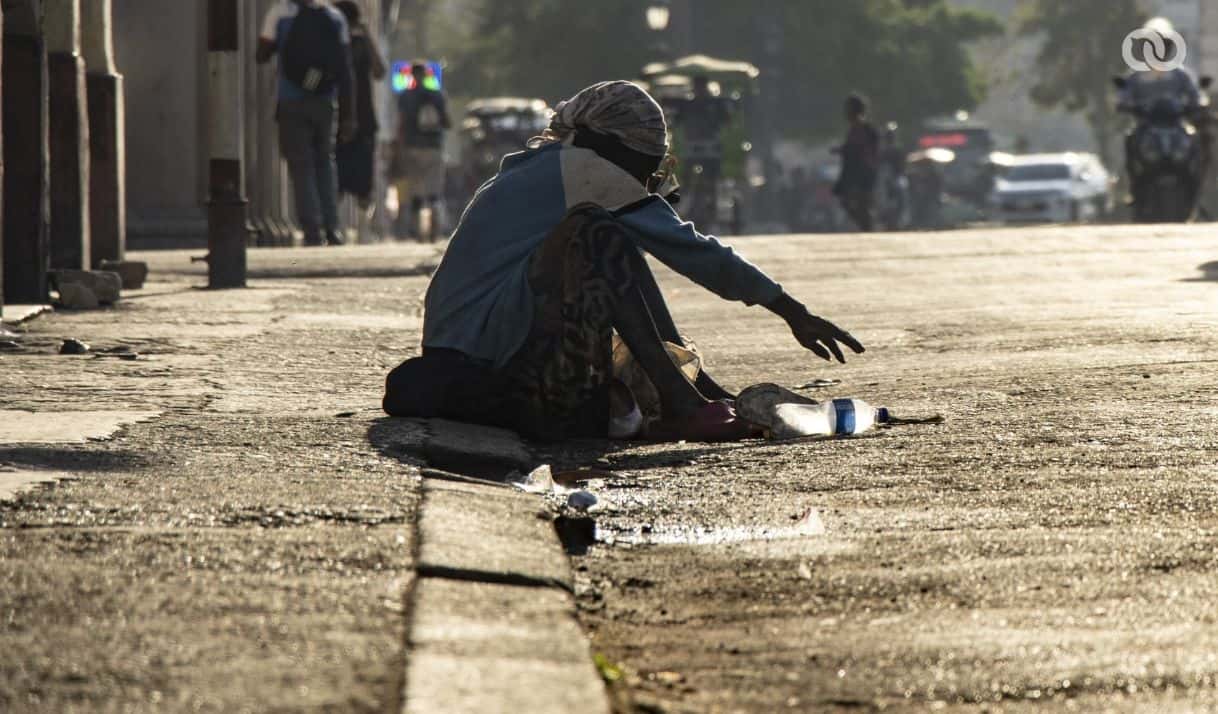
Amid the barrage of names — Donald Trump, Marco Rubio, Miguel Diaz-Canel — the descendants of the Castros, the back-and-forth of humanitarian convoys, the lifeline of Claudia Sheinbaum, the Turkish tankers, Russian oil; amid the ration book, the darkness, the loneliness, the hunger, the hurricanes, the price of the dollar, the boredom, the illnesses, the filth, the lies on the nightly news, the fear, the repression… there are those in Cuba who have decided to drink until they can drink no more.
Drink to forget? To laugh? Out of dependency? For all of it at once?
I don’t know.
I don’t know exactly what drives each one. I don’t know when something breaks.
I don’t know how Pepe, who used to be my neighbor in Pueblo Griffo, in Cienfuegos, ended up the other day — in the middle of a drunken rage — throwing two empty bottles from the balcony of his fourth-floor apartment and injuring two elderly women who were sitting below, trying to endure more than 22 hours without electricity.
Or why every afternoon Nicolas needs to dilute alcohol with water so he can fall asleep in his house in the Tulipán neighborhood.
Whether Cesar wanted to be sober the day his daughter was born. Or in the months afterward. Or whether, at some point, he was able to choose.
Pepe, Nicolas, and Cesar have other names. They live in Cuba. They are between 35 and 50 years old.
I learned about them recently, through different channels. And I have not stopped thinking about the number of families I know on the island who now live with someone who drinks every day until collapsing.
Is rum still within reach amid all the scarcity? I don’t know that either.
What am I certain of? Those families deal with people who can become aggressive or have episodes of violence. With bodies that deteriorate. With jobs that are lost, with lives that keep narrowing.
I think of a young father who wove handicrafts, who made the best-selling earrings at the city fair, who played with his daughter on the pier. Today he is malnourished. He drinks and drinks. He got divorced. There is almost nothing left in his house.
In the countryside, sometimes, it is worse.
Almost ten years ago, in the mountains of the Guamuhaya, I filmed a documentary with my colleague, journalist Laura Roque. We conducted surveys. One of the findings was this: alcohol ran through the lives of many residents and wore them down, little by little, from within.
Years later, at a festival I attended on the Isla de la Juventud, the subject returned again and again in every conversation. As if there were no way to avoid it.
I remember a poem.
A friend wrote it for his mother, who died of liver cirrhosis.
“There was so much of you I never saw,” one of the verses says.
In Cuba there is so much to change, so much to achieve: democracy, elections, an economy, human rights… and so many bodies to save.
Sometimes I feel there will not be enough time.
How much longer can this crisis continue? How much more can a country endure before it begins to break apart from within, beyond repair? Can it really be true that things can always get worse?
Between drugs, alcohol, depression, suicide, femicides, and violence becoming routine: how does a society like this hold itself together? How do people care for one another when they can barely stand up for themselves?
We already know the State is incapable, that it lies; that those in power want the island as a palace, no matter in what condition its “subjects” are left.
Speaking of power.
I have seen those men — uniformed or not — drink until they lose their tone and all measure. I’ve heard them speak of Vladimir Putin as a “hero,” of the “betrayed” Nicolas Maduro, of the great Fidel Castro. They repeat that “with Castro this didn’t happen,” as if memory too could be anesthetized. So much machismo and so much tavern talk.
Sometimes there is no need to argue with them. It is enough to look around.
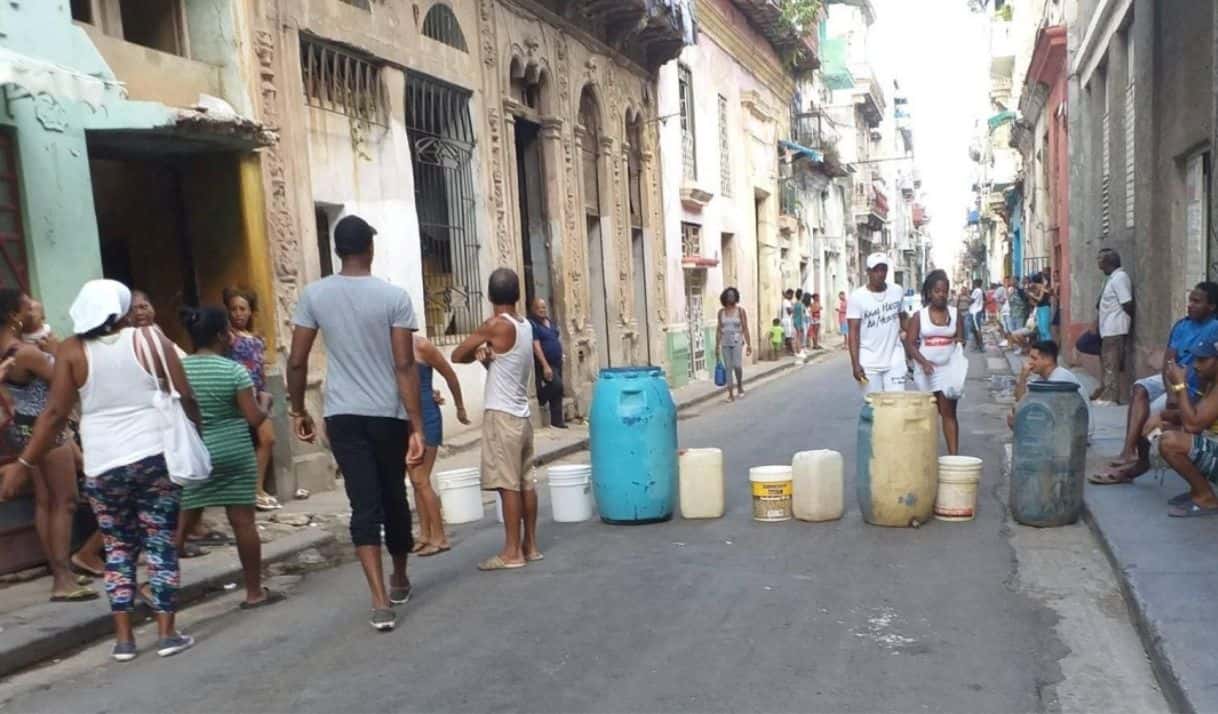
On one corner burns the garbage the Government cannot collect, so its set on fire.
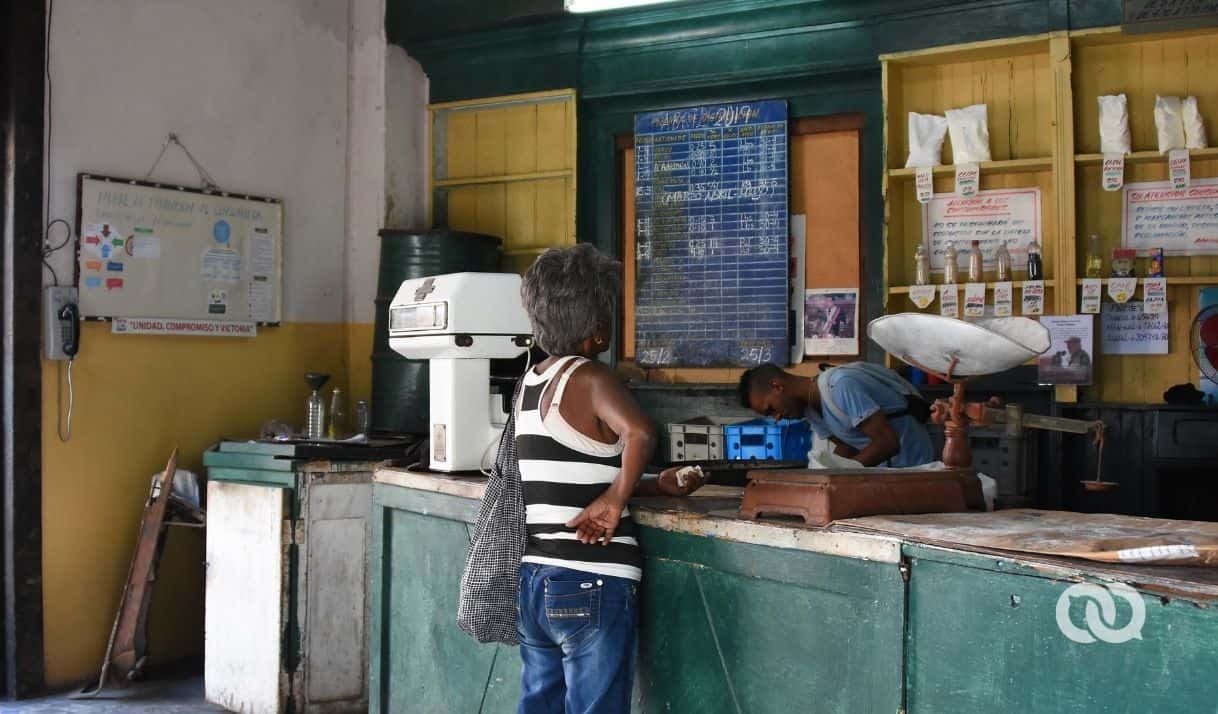
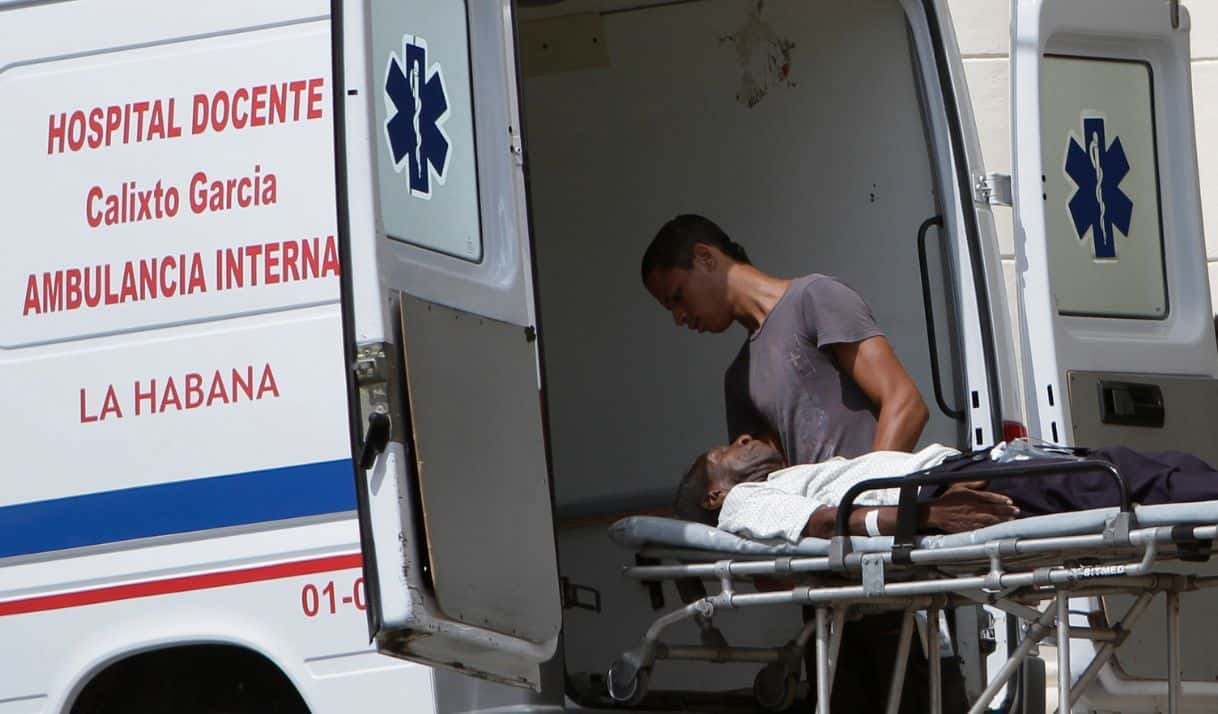
Someone waits for medicine that never arrives.
A balcony collapses in Old Havana.
A woman drags her drunken husband out of the doorway before he wakes the children with his shouting.
A blackout leaves the block in darkness, and, in the middle of the silence, a little girl takes the glass from her father and hides it, as if she could save him.
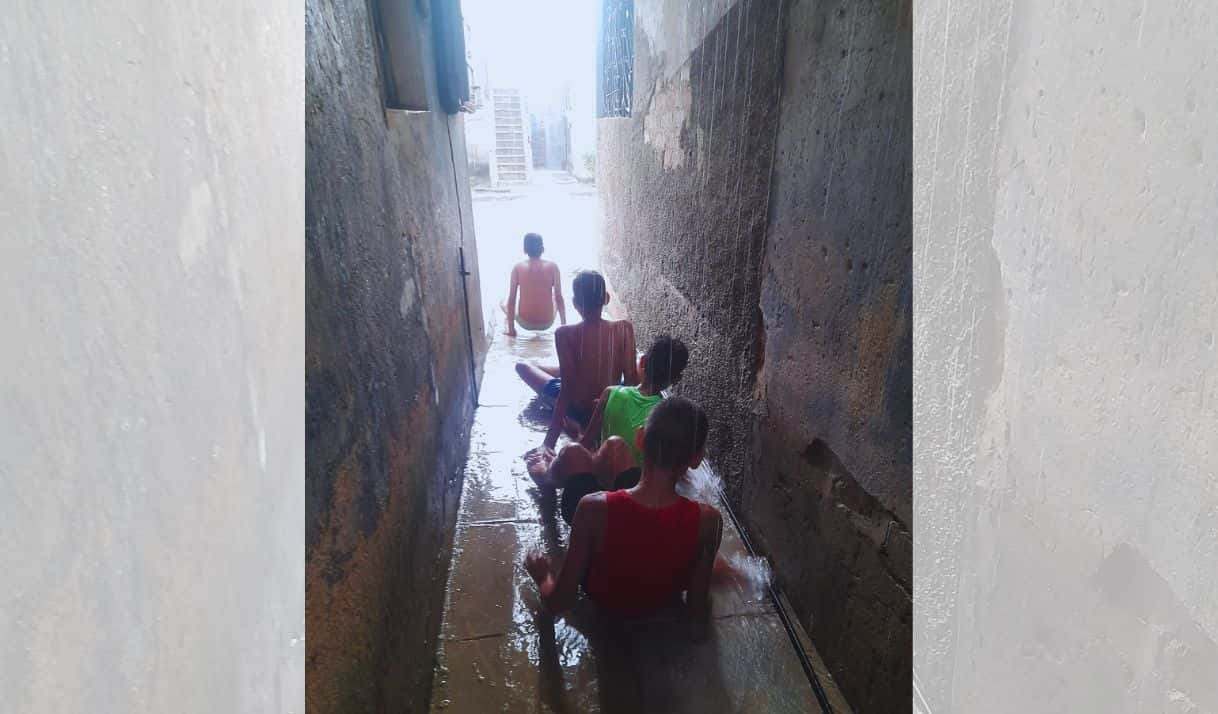
Everything happens at once. Everything blends together: the smoke, the stench, the exhaustion, the rage, the pain.
But Cuba’s crisis did not begin today. It comes from far back. From 1959, when Fidel Castro took power and the country began to narrow itself into a single idea, a single voice, a single command. Everything else — what now overflows — did not appear suddenly: it kept accumulating.
And the country — with its bodies, its ruins, and its silences — has had to carry all of that. Endure it. And, at times, drown it.
——-
*Alcoholism is one of the principal health problems in Cuba, one that has worsened in recent years. After the pandemic, care and treatment have become even more precarious in a healthcare system marked by scarcity and exhaustion.
This article was translated into English from the original in Spanish.




Comments
We moderate comments on this site. If you want to know more details, read our Privacy Policy
Your email address will not be published. Mandatory fields are marked with *
Todavía no hay comentarios.